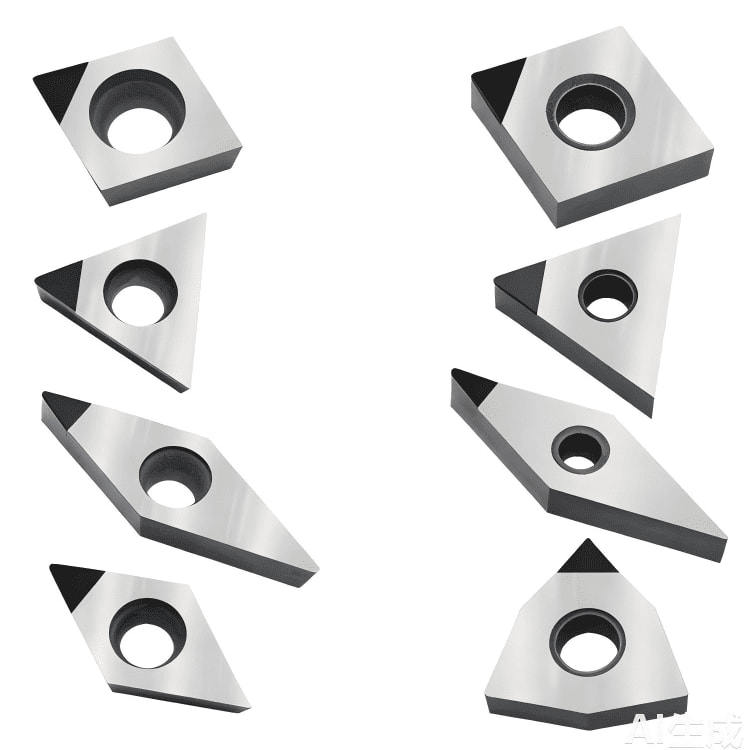
PCD Cutting Tools Guide: Advantages, Applications & Custom OEM Manufacturing
In today’s fast-paced precision machining landscape—driven heavily by automotive lightweighting and EV component production—choosing the right CNC cutting tools is no longer just about buying a consumable; it’s a strategic decision that directly impacts operational efficiency and profit margins. For industrial tool distributors and high-precision machine shops across Europe and North America, PCD cutting tools (such as custom PCD reamers and specialized milling cutters) have established themselves as the ultimate solution for high-volume non-ferrous metal processing.
However, navigating the procurement of custom PCD tooling involves far more than comparing upfront unit prices. From geometry complexity and grain selection to process capability (Cpk), regrinding lifecycles, and supply chain responsiveness, the true value lies in controlling the Total Cost of Ownership (TCO). This comprehensive guide breaks down the core technical advantages of PCD tooling, explores the key factors influencing custom OEM manufacturing costs, and provides actionable insights to help tool distributors streamline their sourcing, minimize field support risks, and deliver exceptional value to their end customers
| Executive Summary for Distributors & Machine Shops:While the initial purchase price of Polycrystalline Diamond (PCD) tools is higher than solid carbide, their ability to maintain tighter tolerances (±0.002 mm), extend tool life by up to 50x in non-ferrous machining, and slash Total Cost of Ownership (TCO) makes them indispensable for automotive tier-suppliers and precision engineering. This guide breaks down categories, technical pricing drivers, DFM cost-saving hacks, and life-cycle management. |
1. The Short Answer: Why High-Precision Tooling Always Wins on TCO
If you are evaluating cutting tools purely on initial purchase price, PCD (Polycrystalline Diamond) tools might look like a significant line-item expense. However, in modern high-volume manufacturing—particularly across automotive, EV component, and aerospace sectors—initial price is a misleading metric.
The real value of PCD lies in Total Cost of Ownership (TCO) and process stability (Cpk):
• 5x to 10x Tool Life: In non-ferrous materials, PCD far outlasts coated solid carbide, reducing tool change frequency and eliminating costly line downtime.
• Unrivaled Process Capability (Cpk): Holds tolerances consistently within ±0.002 mm, preventing part scrap during long automated production runs.
• Cost Per Hole (CPH) Reduction: Thanks to faster cutting speeds (Vc) and high feed rates (fz), PCD drastically reduces the machining cycle time per component.
Material Suitability Matrix
| Recommended Materials (High Efficiency) | Strictly Prohibited Materials |
| High-Silicon Aluminum Alloys (Si > 12%) | Steels and Alloy Steels |
| Carbon Fiber Reinforced Polymers (CFRP) | Cast Irons & Ductile Irons |
| Copper & Brass Alloys | Stainless Steels & Titanium Alloys |
| Green Carbide & Ceramics (Pre-sintering) | Reason: Diamond reacts chemically with ferrous elements at high heat, causing rapid graphitization. |
2. PCD Tool Categories, Price Ranges & Target Buyers
Understanding where each PCD tool type fits helps tooling distributors align products with the right customer segments:
| Tool Category | Typical Price Range (USD) | Primary Applications | Target Buyer Profile |
3. But Wait, How Do We Define 'Cost'?
When sourcing custom PCD tools, cost should be analyzed across three distinct operational phases:
[ Initial Unit Price ] ➔ [ Cost Per Hole (CPH) + Downtime ] ➔ [ Regrinding & Lifetime TCO ]
1. Phase 1: Initial Purchase Price. This is only the tip of the iceberg.
2. Phase 2: Operational Cost Per Hole (CPH).
Formula: Cost Per Part = (Tool Price + Downtime Losses + Scrap Cost) / Total Finished Parts Productivity
Because a PCD step reamer can machine tens of thousands of holes without dimensional drift, the per-part tool cost drops to fractions of a cent.
3. Phase 3: Re-conditioning & Regrinding Potential. Quality PCD tooling can typically be reground or retipped 3 to 5 times. Regrinding usually costs only 15%–20% of a new tool, effectively doubling or tripling the tool's usable lifespan without replacing the shank.
4. Technical Factors Influencing PCD Tool Cost & Quality
Why does one custom PCD reamer cost $250 while another costs $600? Here are the primary manufacturing variables:
• Geometry Complexity: Multi-step profiles, compound angles, and internal high-pressure coolant channels require additional hours on 5-axis tool grinders and EDG (Electrical Discharge Grinding) machinery.
• PCD Grain Size Selection:
- Coarse Grain (~25µm): Exceptional wear resistance, ideal for abrasive high-silicon aluminum, but produces slightly rougher cutting edges.
- Fine/Micro Grain (2–5µm): Enables razor-sharp cutting edges for mirror finish requirements (Ra < 0.2µm).
- Bimodal Grain: Combines wear resistance with toughness for interrupted cuts.
• Body Material & Interface Standard: Solid carbide bodies provide high rigidity and chatter suppression, whereas hardened steel shanks offer cost advantages for longer tools.
• Inspection & Certification Support: High-end OEM suppliers back their tools with dynamic balancing reports (e.g., G2.5 @ 20,000 RPM) and full Zoller inspection certificates.
5. Case Study: How We Helped an Automotive Tier-2 Supplier Slash Tooling Costs by 42%
The Challenge
A European automotive component manufacturer machining EV motor housing bearing seats was using conventional carbide step reamers. Tool life averaged just 500 parts, dimensional stability was erratic, and process capability fell below Cpk = 1.33, resulting in frequent line stoppages and unacceptable scrap rates.
The OEM Engineering Solution
1. Redesigned Tool Geometry: Engineered a custom multi-step PCD reamer with optimized rake angles and internal coolant jet positioning targeting the cutting zone directly.
2. Substrate Optimization: Paired high-density micro-grain PCD tips with vibration-dampening solid carbide shanks.
3. Validation: Supplied full Zoller inspection reports and pre-shipment testing data to support rapid approval.
The Results
• Tool Life: Increased from 500 parts to 28,000 parts per tool life cycle.
• Process Stability: Cpk rose to 1.67, achieving near-zero scrap rates.
• Overall Cost Savings: Reduced total machining cost per hole by 42%.
6. Business & Communication Hacks to Save Your Sourcing Budget
For industrial tooling distributors and buyers looking to maximize profit margins and streamline procurement, consider these practical strategies:
• Hack 1: Request a White-Label DFM Review Early
Before freezing part prints, let your OEM engineers review the drawings for Design for Manufacturability (DFM). Relaxing non-critical tight tolerances can save significant grinding time without impacting function.
• Hack 2: Standardize Tool Body Blank Stocks
Work with suppliers who maintain semi-finished shank stock. Standardizing shank dimensions enables custom PCD tipping and cutting edge grinding within 10–14 days, avoiding expensive custom steel blank forging fees.
• Hack 3: Utilize 'Freeze Design' for Scheduled Batch Orders
Once prototype testing is verified, lock in the drawing design ('Freeze Design') and place annual blanket orders with scheduled split shipments. This unlocks volume manufacturing tier discounts while keeping your local buffer inventory lean.
7. Frequently Asked Questions (FAQ)
Q1: What is the Minimum Order Quantity (MOQ) for custom PCD reamers?
A: Flexible OEM factories accept prototype batch orders of 1–2 pieces for validation testing. Tiered quantity pricing applies for production runs of 5–10 units or more.
Q2: How many times can a PCD tool be reground?
A: Depending on wear severity, high-quality PCD tools can typically be reground 3 to 5 times. Once the diamond pocket is exhausted, the tool body can often be retipped with a new PCD blank at a fraction of the cost of a new tool.
Q3: How do you guarantee tool quality remotely for European/American clients?
A: Reliable manufacturing partners provide complete transparency:
• 100% dimensional measurement logs via Zoller universal measuring machines.
• Dynamic balancing certificates (G2.5 standard).
• PPAP Level 3 documentation packages for automotive suppliers upon request.
Q4: What is the typical lead time for custom prototype vs. mass production?
A: Standard custom prototype samples generally ship within 10–14 days. Repeat batch production runs typically take 3–4 weeks (or as short as 10 days if pre-machined shank stocks are pre-reserved).
| Need Custom PCD Tooling for Your Next Automotive Project?Whether you need private-label OEM manufacturing for your distribution business or optimized multi-step PCD reamers for EV component machining, partner with a factory that delivers precision, speed, and full technical DFM support. [Contact Our Engineering Team for a 24-Hour Drawing & DFM Evaluation] |