
Quick answer
Before you pick a metric or UN thread mill, write the full callout: standard family, nominal size, pitch or TPI with units, thread form, tolerance class, internal or external, and hand of helix. If any field is missing, stop selection and ask. This page owns callout reading and unit checks. It does not own pipe-thread families, the full selection matrix, entry-diameter clearance, or a complete RFQ acceptance checklist.
Process and purchasing teams often freeze a tool from a partial nickname such as "M8" or "1/4-20" while pitch, tolerance class, or hand are still blank. That gap sends the wrong profile into first article and the wrong gauge into inspection. This Knowledge page owns how to read a complete metric or UN callout, convert pitch and TPI with units, separate form from tolerance class, and confirm tool-profile and gauge fields before selection. Start with the thread milling guide for cluster navigation, then use the thread mill selection guide when the callout is complete and you need the broader matrix. Aluminum mill-versus-tap tradeoffs stay on the sibling thread milling vs tapping aluminum guide. Product geometry and inquiry live on the thread mill product page.
Jump: Metric callout · UN callout · Pitch and TPI · Form and tolerance · Profile and gauge · Submit · FAQ · Sources
Read the full metric thread callout
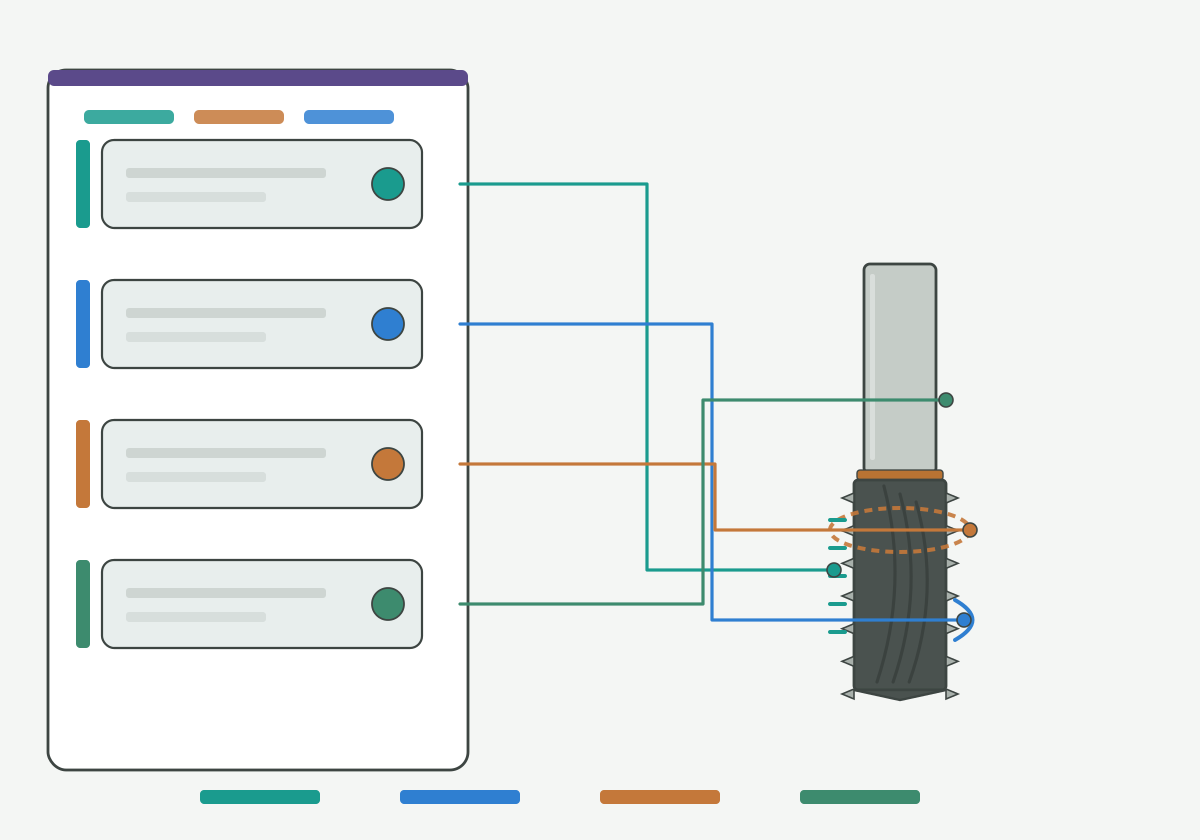
Illustration schematic: callout anatomy with blank field slots - not a catalog claim or ranked family photo.
Write every metric field on the traveler before you open a catalog line:
- Standard family: metric coarse, metric fine, or another named metric series on the print (record the edition note if the drawing cites one).
- Nominal size: the major-diameter nominal (for example M8), kept separate from pitch.
- Pitch: distance between adjacent flanks in millimetres (for example 1.25), with the unit written explicitly.
- Thread form: the profile family the print names (do not invent a form from a nickname).
- Tolerance class: the fit band for the internal or external feature (leave blank if the print omits it).
- Internal or external: nut / hole side versus bolt / shaft side.
- Hand of helix: right-hand or left-hand as stated on the print.
A string such as "M8" alone is not a complete callout. Without pitch, you cannot match a profile or a pitch advance. Without tolerance class and internal/external, you cannot lock the gauge plan. Public standards literacy such as this international standards catalogue entry, this national standards overview, and this screw-thread handbook reference helps name metric systems without publishing an HENTRY class matrix. When a drawing cites an unconfirmed standard edition or an unconfirmed HENTRY catalog code, mark that field [NEEDS VERIFICATION] and ask application engineering before you freeze the traveler.
Start here: if the print is metric and any of pitch, form, tolerance class, or hand is missing, stay on this page and stop tool pick. Soft note (guide forthcoming, no empty hard link): pipe-thread families such as NPT / BSP sit on a dedicated pipe-thread milling page when published; do not treat this metric section as a pipe callout reader.
Read the complete UN callout
Unified National (UN) callouts need the same discipline as metric. Write every UN field before selection:
- Series: UNC, UNF, UNEF, or another named UN series on the print.
- Nominal size: fractional or numbered size exactly as drawn (for example 1/4 or #10).
- TPI: threads per inch, with the unit written as TPI or threads/in, never as millimetres.
- Thread form: the UN form the print names.
- Tolerance class: class of fit for the internal or external feature.
- Internal or external: as on the print.
- Hand of helix: right-hand or left-hand as stated.
A nickname such as "quarter-twenty" without series, class, and hand is still incomplete. Codes and standards literacy such as this codes and standards portal and units literacy such as this units and measurement guidance support naming UN systems without inventing an HENTRY fit table. Threading process literacy such as this threading knowledge overview and this thread milling process overview helps separate helical generation language from tap lead language. Soft note: a complete RFQ and tryout checklist is forthcoming on a dedicated page; this section only locks callout fields, not the full procurement packet.
Hypothetical teaching note (not a verified HC customer case): a print that shows "1/4-20" with no series letter and no class should stop selection until UNC versus UNF and the tolerance class are confirmed. Guessing from a fastener bin nickname is not an acceptance method.
Convert pitch and TPI with units
Pitch (mm) and TPI (threads per inch) are not interchangeable labels. Convert only with explicit units, and keep both the original print value and the converted value on the traveler.
Conditional unit-check worksheet (fill with confirmed print values; leave blank if unknown; size words stay in the table, not as separate URLs):
| Field | What you write | If missing |
|---|---|---|
| Print system | Metric or UN (name the series) | Stop; do not guess from a fastener nickname |
| Print pitch or TPI | Exact number + unit (mm or TPI) | Mark incomplete; keep selection open |
| Converted mate value | Optional cross-check with unit shown | Do not erase the original print unit |
| Conversion note | Who converted, when, and which formula reference | Do not treat a silent conversion as verified |
| Form / class still blank? | Yes / No | If yes, stay on form-tolerance section before tool pick |
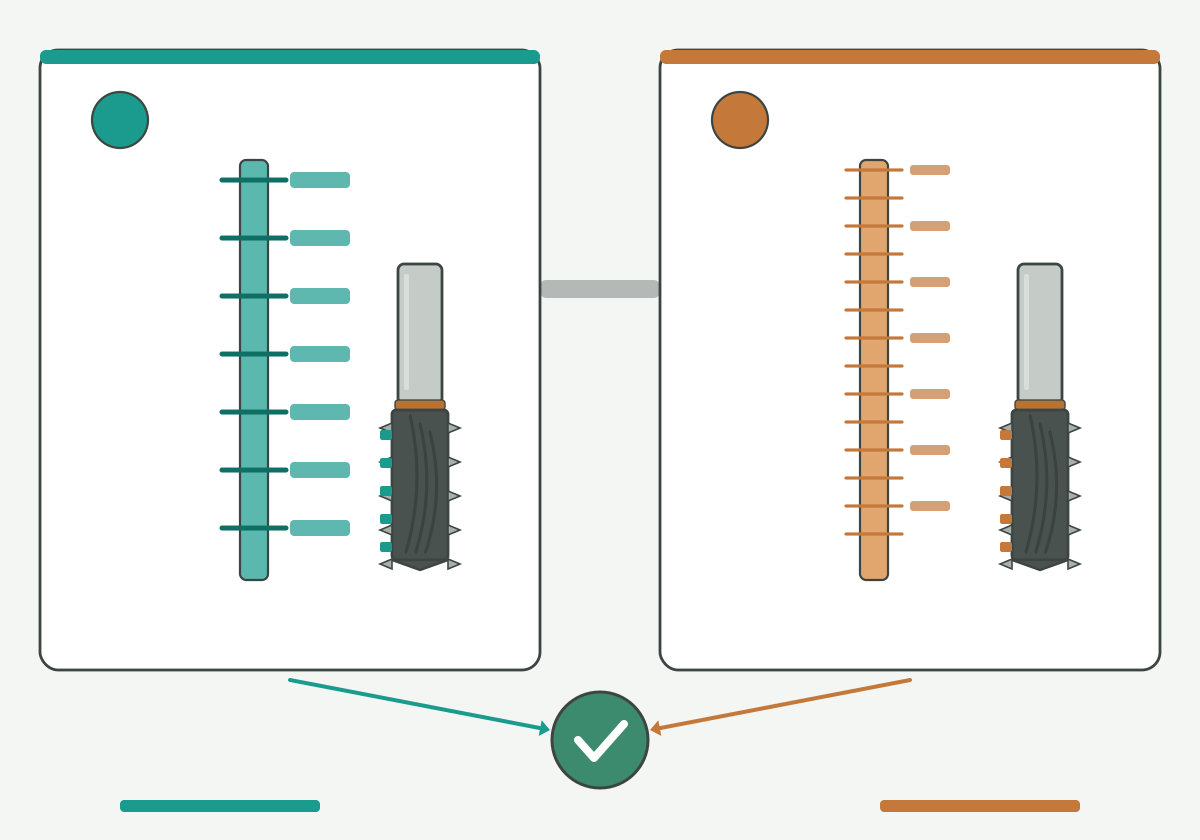
Illustration schematic: Metric versus UN unit-check panels - unique gain; not a ranked catalog or life claim.
Public metrology literacy such as this public metrology laboratory entry, this international metrology portal, and this units and measurement guidance keeps unit language honest. Machining data literacy such as this machining data literacy portal is a discovery aid only; do not migrate third-party pitch tables into an HENTRY proposal as if they were measured plant data.
Hypothetical teaching note (not a verified HC customer case): if a shop converts a metric pitch to an approximate TPI for CAM convenience, both values must stay on the traveler with units. Dropping the millimetre original and keeping only a rounded TPI is a stop condition, not a shortcut.
Separate thread form and tolerance class
Thread form is the profile geometry family. Tolerance class is the fit band for size and flank control. Mixing the two fields is how teams order a "standard" tool when the print actually needs a tighter class, or a class-only nickname when the form is still undefined.
Write two separate lines:
- Form: the named profile on the print (metric or UN form as drawn).
- Tolerance class: the fit band for the internal or external feature, including which member is controlled.
If form is known and class is blank, you may describe the profile family, but you must not freeze a gauge plan or a final acceptance sentence. If class is known and form is blank, stop: class without form does not define the cutter profile. Standards literacy such as this codes and standards portal and this international standards catalogue entry supports naming without inventing HENTRY class digits. Soft note: entry diameter versus cutting diameter clearance is forthcoming on a dedicated diameter-and-clearance Knowledge page; do not treat form/class separation as a collision check.
Confirm tool profile and gauge requirements
Only after callout, units, form, and class are written should you match a thread-mill profile and a gauge plan:
- Tool profile match: the cutter must generate the named form and pitch (or confirmed pitch band) under the program helix. Catalog symbols that are unconfirmed stay [NEEDS VERIFICATION].
- Internal vs external: confirm the tool and the gauge are on the same member the print controls.
- Gauge / acceptance method: go / no-go, optical flank, pitch micrometer, or another named method - write the method, not a life claim.
- First-article rule: what evidence retires or accepts the setup before the lot runs.
Conditional profile-and-gauge worksheet (blank is better than invented digits):
| Field | What you write | If missing |
|---|---|---|
| Full callout string | Metric or UN fields as on the print | Return to callout sections |
| Tool profile note | Confirmed form + pitch/TPI match [NEEDS VERIFICATION] if unconfirmed | Do not invent a profile from a nickname |
| Gauge method | Named acceptance method and member (INT/EXT) | Stop before first article |
| Material / blank | Family and condition on the traveler | Leave blank; do not invent hardness |
| Holder / projection | Interface and runout check method | Toolholding literacy only; no empty diameter hard link |
Toolholding literacy such as this tool-holder interface overview and this toolholding tips overview helps name runout checks. Geometry-inspection literacy such as this tool geometry inspection equipment overview supports inspection language. Thread-milling product literacy such as this thread milling resource overview, this thread milling cutter overview, this thread milling article overview, this threading article overview, this threading tools overview, and this thread milling tools overview stays a neutral discovery aid. Coolant concentration literacy such as this coolant concentration measurement method and tapping contrast literacy such as this tapping knowledge overview support process talk without inventing HENTRY pressure or life percentages. Milling process literacy such as this milling process overview supports orbit language only.
Submit the verified specification
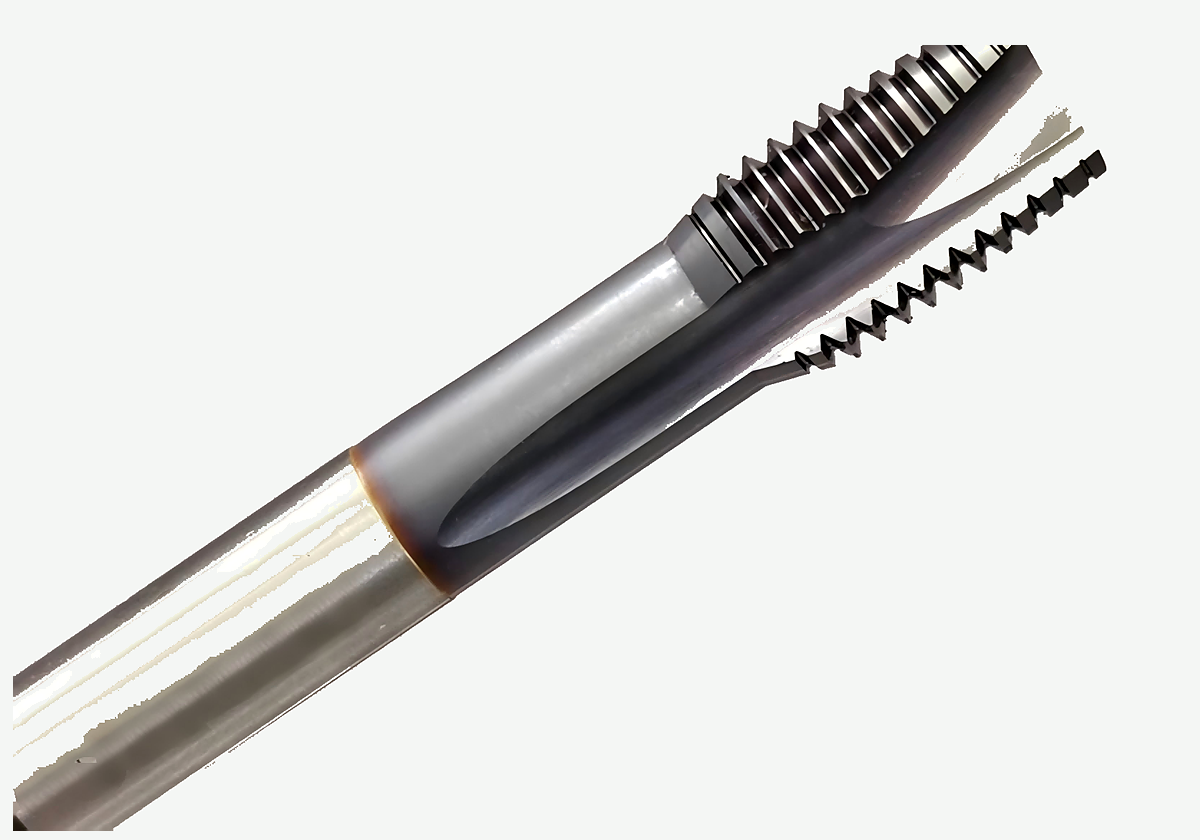
Product rematte of tip, flutes, and shank on paper - not a ranked catalog or life claim.
HENTRY manufactures drawing-based cutting tools, including solid carbide thread mills. When the verified callout, unit check, form/class split, and gauge method are written - even with blank fields marked - you can move from this Knowledge slice to a product review instead of another nickname search. Procurement field list for a matched proposal (fields may stay blank):
- full metric or UN callout string (series, nominal, pitch or TPI with units, form, class, INT/EXT, hand);
- standard edition note if cited on the print [NEEDS VERIFICATION] if unconfirmed;
- material family and blank condition;
- gauge / acceptance method and first-article rule;
- depth / access sketch (entry-diameter detail soft-noted until its page is live);
- batch and revision stability note;
- holder, projection, and runout method.
Research literacy such as this peer-reviewed machining research journal overview, this machining process and tool development research overview, regrind literacy such as this regrind inspection and economic review overview, substrate blank literacy such as this carbide rod blank portfolio overview, and public threading-resource literacy such as this threading resources hub keep method language tied to public sources. Soft note: a full RFQ checklist Knowledge page is forthcoming; until it is live, use this verified-spec list and do not hang an empty hard link.
Next action: Request a matched thread mill proposal. When the controlled drawing and traveler fields are ready to send, open the custom cutting tool RFQ. Quotation turnaround after complete drawings is typically 1-2 working days for engineering review, not a promise of unvalidated cutting data.
Metric and UN thread mill callout FAQ
What belongs in a complete metric thread callout?
Write standard family, nominal size, pitch with millimetre units, thread form, tolerance class, internal or external, and hand of helix. If pitch, class, or hand is missing, stop selection and ask. A bare "M" size nickname is not enough to match a tool profile or a gauge plan.
What belongs in a complete UN thread callout?
Write series (such as UNC or UNF), nominal size, TPI with units, form, tolerance class, internal or external, and hand. Do not convert a fastener bin nickname into a frozen traveler line. Missing series or class is a stop, not a reason to average two catalog codes.
How do I convert pitch and TPI without losing the print value?
Keep the original print number and unit, then add any converted mate value with its own unit and a conversion note. Never erase the millimetre pitch or the TPI original after a convenience conversion. If units are unclear, mark the field for verification before tool pick.
Why separate thread form from tolerance class?
Form defines the profile geometry family. Tolerance class defines the fit band for the controlled member. Mixing them sends the wrong cutter or the wrong gauge into first article. Write both lines; if either is blank, do not freeze acceptance language.
Can I request a matched thread mill before every field is frozen?
Yes. Send the full callout as far as known, mark blanks, and include material family, gauge method, and access notes. Leave unknown fields blank rather than inventing class digits or catalog symbols. A matched proposal can start from verified fields without a frozen SKU nickname.
Sources and related guides
Authoritative literacy (neutral anchors; discovery only; not HENTRY catalog limits or life claims). Link check Asia/Shanghai 2026-10-31:
- threading knowledge overview
- thread milling process overview
- milling process overview
- tapping knowledge overview
- thread milling resource overview
- thread milling cutter overview
- threading resources hub
- thread milling article overview
- threading article overview
- threading tools overview
- thread milling tools overview
- tool-holder interface overview
- toolholding tips overview
- coolant concentration measurement method
- tool geometry inspection equipment overview
- screw-thread handbook reference
- units and measurement guidance
- codes and standards portal
- national standards overview
- international standards catalogue entry
- public metrology laboratory entry
- international metrology portal
- peer-reviewed machining research journal overview
- machining process and tool development research overview
- machining data literacy portal
- regrind inspection and economic review overview
- carbide rod blank portfolio overview
Related live pages: thread milling guide · thread mill selection guide · thread milling vs tapping aluminum · thread mill product page. Soft note only (no empty hard links): pipe-thread milling (NPT/BSP), thread-mill RFQ checklist, and diameter / entry-clearance Knowledge pages are forthcoming.
When the verified callout and traveler fields are ready, Request a matched thread mill proposal.