
This page is the Thread Mill selection guide for CNC parts when the drawing is in hand and you need candidate cutters, not a topic hub. It helps process engineers, engineering buyers, and tooling distributors read the full thread callout, choose geometry for pitch and depth, check entry, reach and holder clearance, match workpiece and construction, compare candidates on one shared task, then confirm the specification before trial. Topic navigation, controller-specific G-code, and full fault trees stay on their own pages when those pages are live.
Start from the live hub when you still need fit and next-task framing: Thread Milling Guide. Aluminum housing tap-versus-mill comparisons stay on thread milling vs tapping for aluminum. Forming versus cutting taps stay on form tap vs cut tap. Live cutter families stay on solid carbide thread mills.
Quick answer
- Drawing first: capture the complete thread callout, full thread depth, pre-hole state, blind or through geometry, and acceptance method before opening any catalogue row.
- Geometry next: match tooth form and pitch (or lead), cutting diameter versus entry space, single-form or multi-form construction, and effective length versus required full thread depth.
- Reach and clearance: confirm entry strategy, neck and stick-out, and holder clearance so the path can cut the required depth without collision.
- Same-task compare: rank candidates with a conditional matrix (hole, thread form, material, diameter, stick-out), then confirm the specification and run a controlled trial. This page is not a product catalogue rewrite.
Selection path (stop when a field is missing):
| Step | What you lock | If missing |
|---|---|---|
| 1 Callout | Standard, designation, pitch or TPI, tolerance, internal/external, hand, starts | Stop; recover the drawing revision |
| 2 Geometry | Form compatibility, cutting diameter, tooth count style, effective length | Do not invent a universal size |
| 3 Reach | Entry, neck, stick-out, holder clearance vs full thread depth | Stop; measure or ask engineering |
| 4 Workpiece | Material group, condition, substrate and coating family suited to the cut | Leave blank; do not guess life |
| 5 Compare | Same-task matrix ranked by hole, form, material, diameter, stick-out | Keep at least two candidates |
| 6 Confirm | Specification fields + trial acceptance before production ramp | Open RFQ with incomplete SKU if needed |
Jump: Callout · Geometry · Reach · Example · Workpiece · Matrix · RFQ · Confirm · FAQ
Read the complete thread callout
Selection fails when the callout is incomplete. Treat the drawing revision in hand as the only authority for what must pass.
- Standard family and designation: metric M, Unified, pipe, or another stated system, including series where shown.
- Nominal size and pitch or TPI: write both; do not infer pitch from a partial note.
- Tolerance or class: record the class or limit the drawing names; public screw-thread portals such as this screw thread standards portal and this metric M screw threads standard entry help you name which document family the print inherits.
- Internal or external; right or left hand; number of starts: multi-start threads need lead entered correctly later in CAM, but you capture starts here.
- Straight or taper; through or blind: taper and sealing threads add acceptance rules you must not drop when comparing cutters.
- Full thread depth and related positional notes: separate full thread depth from hole depth and from tool reach (those three are not the same number).
National and metrology literacy such as this national standards overview and this public metrology laboratory entry support naming the inheritance path. They do not replace the revision on your print. Topic-level framing for when milling fits at all stays on the Thread Milling Guide.
Also capture material grade and condition, pre-hole process and measured size when available, interruptions or thin walls, machine and holder notes, and the agreed gauge or measure method. Empty cells beat invented model numbers.
Choose geometry for pitch and depth
With the callout locked, compare geometry before you freeze a part number. Educational threading literacy such as this thread milling process overview and this broader threading methods overview describes how tooth form and path create the helix; treat those pages as motion principles, not as HC cutting data.
- Tooth form compatibility: the profile must match the required thread form (or the portion your process uses). Do not assume one family covers every non-standard form without a drawing review.
- Pitch or lead coverage: confirm the cutter is stated for that pitch (or lead for multi-start). Mixed pitches on one shank only belong when the product note says so.
- Cutting diameter versus entry: internal work needs a diameter that can enter the pre-hole and still leave the stock the path requires. External work needs approach space around the OD.
- Single-form versus multi-form: single-form tools trade flexibility for control; multi-form tools can cut several pitches of related forms faster when engagement and length allow. Choose from the task, not from a brand ranking.
- Effective fluted length: must cover required full thread depth plus the entry and exit strategy you will use. Length alone does not prove reach if the neck or holder collides.
Method-selection literacy such as this threading method selection overview and this thread milling application note helps frame geometry choices. Catalogue families to compare against live size notes sit on solid carbide thread mills.
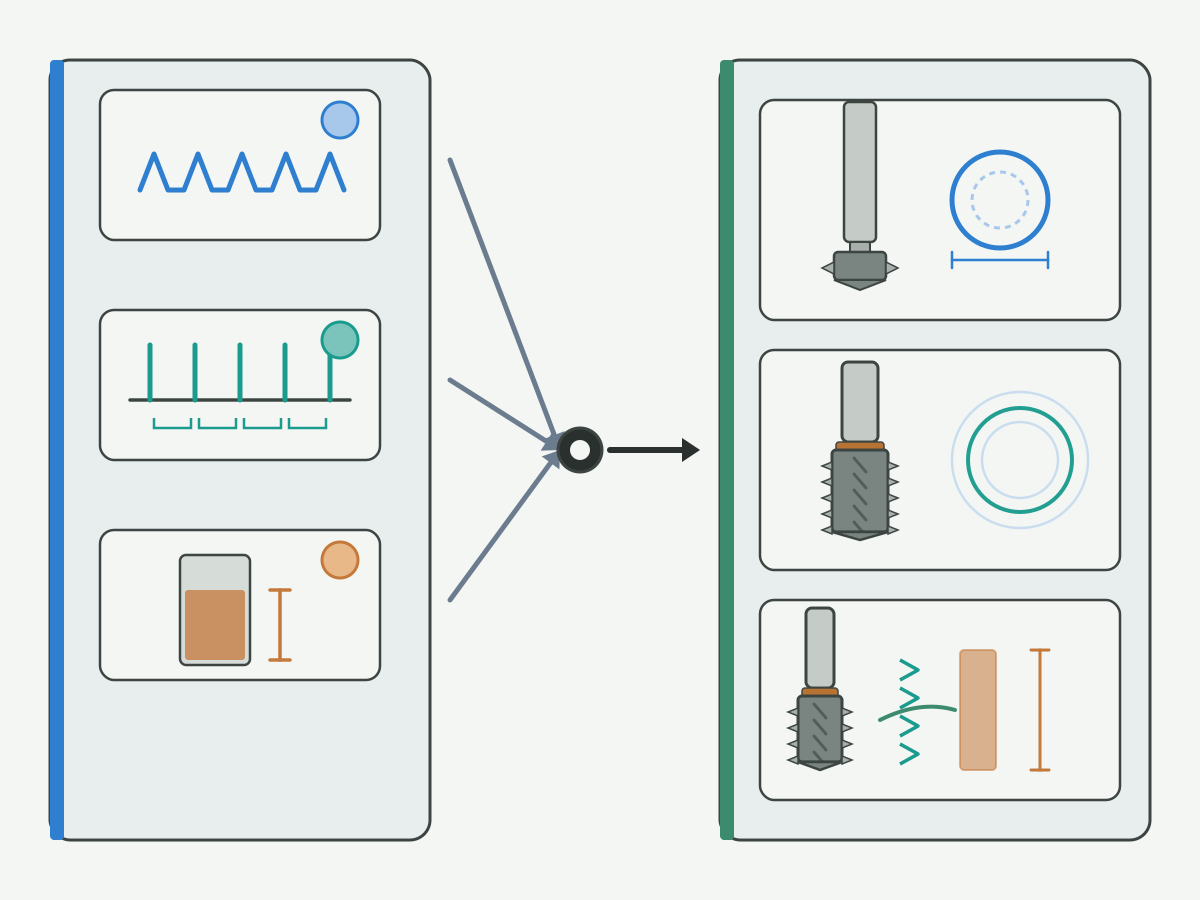
Schematic illustration: not a machine-ready toolpath or catalogue ranking. Confirm diameters, pitch, and length on your drawing and cutter data.
Check entry, reach and holder clearance
A geometrically compatible cutter still fails if it cannot enter, reach, or clear the holder. Separate these lengths on the input sheet:
- Entry: how the path starts (radial ramp, helical entry, or another agreed strategy) and whether the pre-hole or approach space allows it.
- Full thread depth versus hole depth: full thread depth is what must meet the thread requirement; hole depth is what the drill or bore left. Blind holes need leftover room for chips and for the tool tip.
- Tool reach: fluted length plus neck that can actually cut at depth without the shank or holder striking the part or fixture.
- Stick-out and runout: projection affects size and finish; toolholding literacy such as this toolholding overview and this tool holder technology overview belongs in the setup checklist.
- Holder and fixture clearance: confirm the programmed path clears clamps, walls, and neighboring features at the deepest Z.
Internal and external motion literacy such as this internal threading overview and this external threading overview helps teams separate path geometry from tap mechanics. Leave numeric leftover depths blank until the drawing and cutter data fill them. Do not invent a universal “safe” bottom clearance for every housing.
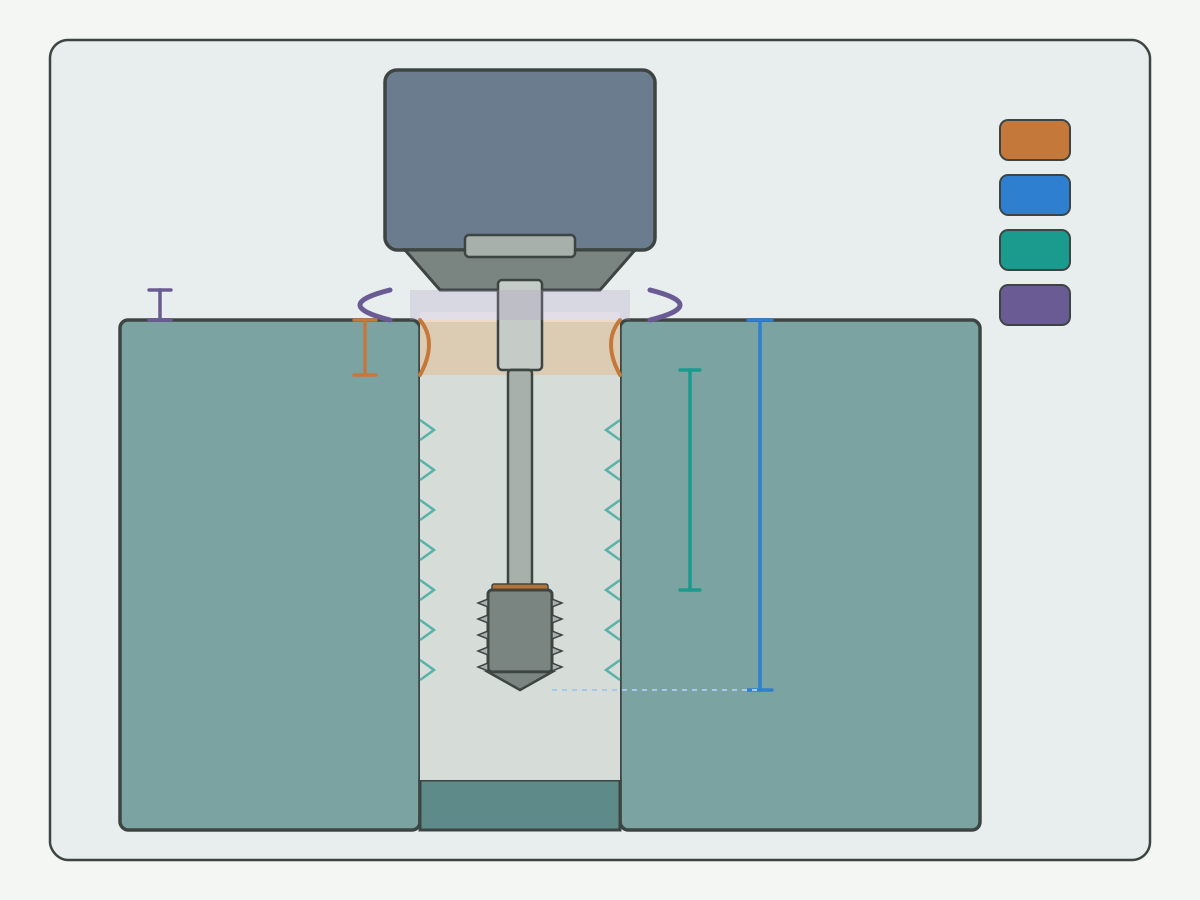
Schematic blind-hole section: symbols only. Fill depths and clearances from the drawing and the selected cutter.
Coolant delivery that cannot reach the cut zone is a setup constraint, not a reason to invent a coating claim. Fluids literacy such as this coolant know-how overview supports the boundary discussion.
Teaching example: two candidates from one callout (instructional)
Instructional / hypothetical example only. This is not a verified HC customer case and invents no life, scrap rate, cycle-time, or price claims.
Imagine a steel bracket with a blind internal metric thread. Walk selection in this order and stop when an input is missing:
- Extract the full callout, tolerance class, hand, starts, and required full thread depth from the drawing revision in hand.
- Confirm pre-hole diameter and depth, floor clearance, and whether cross holes interrupt the thread.
- List geometry needs: form and pitch match, cutting diameter that can enter the pre-hole, effective length covering full thread depth.
- List reach needs: neck and stick-out that clear the wall and holder at deepest Z.
- Open two candidate rows that both satisfy form, pitch, diameter, and length; do not drop one because a catalogue photo looks “more premium.”
- Fill the same-task matrix (next section) with hole type, form, material group, diameter, and stick-out for both rows; keep the row with fewer unresolved risks for trial, or keep both if risks differ by setup.
- Agree the gauge or measure method and first-off record fields before the first chip.
Information gain: each missing field is a stop, not a guess. Two incomplete candidates beat one invented “best” SKU.
Match workpiece and construction
Geometry and reach are not enough. Match the workpiece condition to the cutter construction the product note actually states for that family.
- Material group and condition: grade, heat treatment, cast skin, hardness band if known. Pre-hole quality often decides whether class can be held; drilling literacy that feeds pre-hole discussions is summarized in this drilling knowledge overview.
- Substrate: solid carbide constructions common for CNC thread mills versus other constructions only when the live product note lists them. Do not invent a substrate that is not on the sheet.
- Edge preparation and coating family: use the configuration the supplier states for that material group. Do not claim a coating “lasts longer” without a controlled trial on your lot.
- Chip and coolant path: interrupted cuts, sticky materials, and deep blind holes change engagement; confirm delivery reaches the cut.
- When tapping may still win: if the plant already has a stable tap route, frame a fair comparison rather than forcing a mill. Aluminum-specific route notes stay on thread milling vs tapping for aluminum; forming versus cutting tap OWN stays on form tap vs cut tap.
Third-party comparison literacy such as this thread milling versus tapping comparison note and this thread milling practice overview adds context; it is not an HC trial result. Cutting-data portals such as this cutting data notes portal help discuss baselines without publishing a universal feed table.
Compare candidate tools on the same task
This section is the page’s unique gain: a conditional selection matrix ranked by hole, thread form, material, diameter, and stick-out. It is not an unverified brand ranking and invents no life percentages.
Use one shared task definition for every row you keep:
- Same drawing revision and thread callout.
- Same full thread depth and acceptance method.
- Same machine, holder family, and projection band (or an explicit flag when projection differs).
- Same material lot family or an explicit lot flag.
| Rank key (fill in order) | What to compare on each candidate | Pass rule (conditional) | If fail |
|---|---|---|---|
| 1 Hole | Blind/through, interruptions, entry space, floor clearance | Entry and path clear the feature at required depth | Drop or change stick-out / neck |
| 2 Thread form | Form and pitch (or lead) stated coverage | Tooth profile and pitch match the callout | Drop; do not stretch form |
| 3 Material | Material group vs substrate / edge / coating note | Configuration is stated for that group (or flagged unknown) | Keep only with explicit trial flag |
| 4 Diameter | Cutting diameter vs pre-hole or approach | Enters and leaves required stock for the path | Drop or change pre-hole plan |
| 5 Stick-out | Effective length, neck, projection, holder clearance | Reach covers full thread depth without collision | Drop or change holder / projection |
Optional secondary columns (still conditional, still blank until known): coolant path, multi-size coverage need, first-off record readiness. Do not add a “score” column that invents weighted life or cost. CNC motion literacy such as this CNC thread milling programming overview supports reading path constraints while you compare; controller-specific recipes stay out of this selection page.
Keep at least two rows that pass keys 1–5 when possible. The matrix selects candidates for trial; it does not declare a production winner without first-off evidence. Live families to pull rows from: solid carbide thread mills.
Procurement checklist (RFQ inputs)
Send what you know. Final SKU is optional when the drawing and constraints are complete.
- Drawing and thread: revision, full callout, hand, starts, full thread depth, tolerance or class.
- Hole and feature: pre-hole size and process, blind or through, interruptions, thin walls, entry notes.
- Material: grade, condition, hardness band if known.
- Machine and holder: control family (capability only), holder, projection band, coolant path.
- Candidate notes: matrix rows you already compared, or “open proposal” if no SKU yet.
- Acceptance: gauge or measure method, first-off rules, stop conditions.
- Production intent: quantity intent and repeat need (qualitative is enough; no invented ROI).
Open the request form when the package is ready: custom cutting tool RFQ. Metrology discipline literacy such as this weights and measures overview and manufacturing process literacy such as this manufacturing society portal support how you record acceptance; they do not invent your gauge plan.
Confirm the specification and trial
Before production ramp, confirm the specification fields and the trial plan with engineering. Hand the package to a product and RFQ path that can return a matched cutter, not a generic catalogue guess.
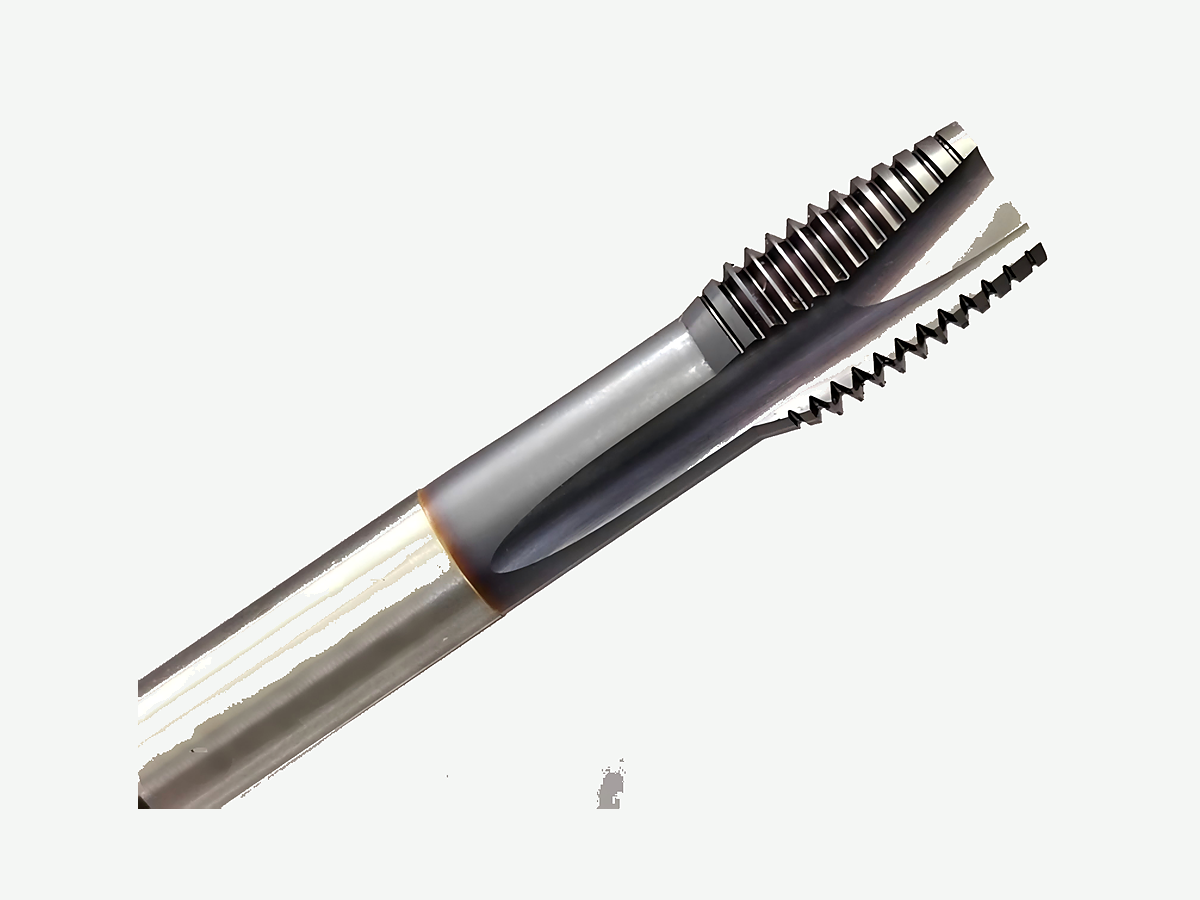
Specification fields to confirm
- Proposed tool model or drawing.
- Thread form and pitch (or lead) coverage.
- Cutting diameter, effective length, neck, and clearance geometry.
- Material group and edge or coating configuration notes.
- Inspection and sample acceptance expectations.
- Identifiers needed for repeat orders.
Trial plan (minimum)
- Same drawing revision and acceptance criteria as the matrix.
- First-off record before any compensation edit.
- Stop and escalate when size drifts, marks look abnormal, or the edge is damaged.
- Do not claim the route “won” without those controls.
Review listed constructions and size notes here: explore solid carbide thread mills. Research and practice portals such as this CIRP research portal and this cutting tools practice overview support industry literacy only. No price, MOQ, or unverified lead time is stated on this page.
Request a matched thread mill proposal
Suggested enquiry subject: Thread mill selection - [thread callout] - [material] - [blind/through]
Thread Mill Selection FAQ
What is the first input I should lock before choosing a thread mill?
Lock the complete thread callout from the drawing revision in hand: standard and designation, pitch or TPI, tolerance or class, internal or external, hand, starts, and full thread depth. Recover missing fields before opening catalogue rows.
How do I choose geometry for pitch and depth?
Confirm tooth form and pitch (or lead) coverage, cutting diameter versus entry space, single-form or multi-form construction suited to the task, and effective length versus required full thread depth. Do not invent a universal size that the product note does not state.
What should I check for entry, reach, and holder clearance?
Separate entry strategy, full thread depth, hole depth, fluted length and neck, stick-out, and holder clearance at deepest Z. Stop if floor clearance or collision risk is unknown. Projection and runout belong on the setup checklist with the holder note.
How should I compare two candidate thread mills fairly?
Use one shared task definition and a conditional matrix ranked by hole, thread form, material, diameter, and stick-out. Keep at least two rows when both pass. Do not rank by brand image or invented life percentages.
Can I request a matched thread mill without a final SKU?
Yes. Send drawing revision, full callout, material and feature notes, machine and holder constraints, acceptance method, and any matrix rows already compared. The proposal should confirm model or drawing, coverage, length and clearance, and repeat-order identifiers.
When should I still compare tapping instead of defaulting to a thread mill?
When the plant already has a stable tap route, when the material may suit chipless forming, or when a fair trial under the same acceptance criteria has not been run. Compare full accepted-part process, not cutting time alone.
Does this page replace programming or troubleshooting guides?
No. This page is the selection matrix and specification-confirmation guide. Controller-specific G-code libraries and full fault trees belong on specialist pages when those pages are live. Topic fit and next-task navigation stay on the Thread Milling Guide hub.
When does this page not apply?
It does not apply when you need invented life percentages, prices, ROI, or unverified case counts; when you need controller macros pasted as a universal recipe; or when the thread callout is missing and nobody will stop to recover it. Fix the inputs first.
Sources and related guides
Outbound references support thread milling motion literacy, method selection, internal and external threading education, toolholding and coolant boundaries, screw-thread and metrology portals, CNC thread-milling programming literacy, cutting-data literacy, and manufacturing practice portals cited in the body. Manufacturer-specific cutting data remain tied to their own products. The two-candidate walkthrough is an HC editorial teaching aid, not a measured customer result. Sources checked for this draft on 22 October 2026 (Asia/Shanghai).
- Thread milling process overview (third-party education page; linked in body)
- Threading methods overview (third-party education page; linked in body)
- Threading method selection overview (third-party education page; linked in body)
- Thread milling application note (third-party education page; linked in body)
- Thread milling versus tapping comparison note (third-party education page; linked in body)
- Thread milling practice overview (third-party education page; linked in body)
- Toolholding overview (third-party education page; linked in body)
- Tool holder technology overview (third-party education page; linked in body)
- Coolant know-how overview (third-party education page; linked in body)
- Screw thread standards portal (public standards entry; linked in body)
- Metric M screw threads standard entry (public standards entry; linked in body)
- National standards overview (public standards entry; linked in body)
- Public metrology laboratory entry (public metrology entry; linked in body)
- Internal threading overview (third-party education page; linked in body)
- External threading overview (third-party education page; linked in body)
- Drilling knowledge overview (third-party education page; linked in body)
- CNC thread milling programming overview (third-party education page; linked in body)
- Cutting data notes portal (third-party tooling education; linked in body)
- Weights and measures overview (public metrology entry; linked in body)
- Manufacturing society portal (public manufacturing literacy; linked in body)
- CIRP research portal (third-party research society; linked in body)
- Cutting tools practice overview (third-party education page; linked in body)
Related live guides: Thread Milling Guide · thread milling vs tapping for aluminum · form tap vs cut tap · solid carbide thread mills · custom cutting tool RFQ. Specialist programming and troubleshooting guides, and any unpublished selection siblings, will be linked here after they publish.