
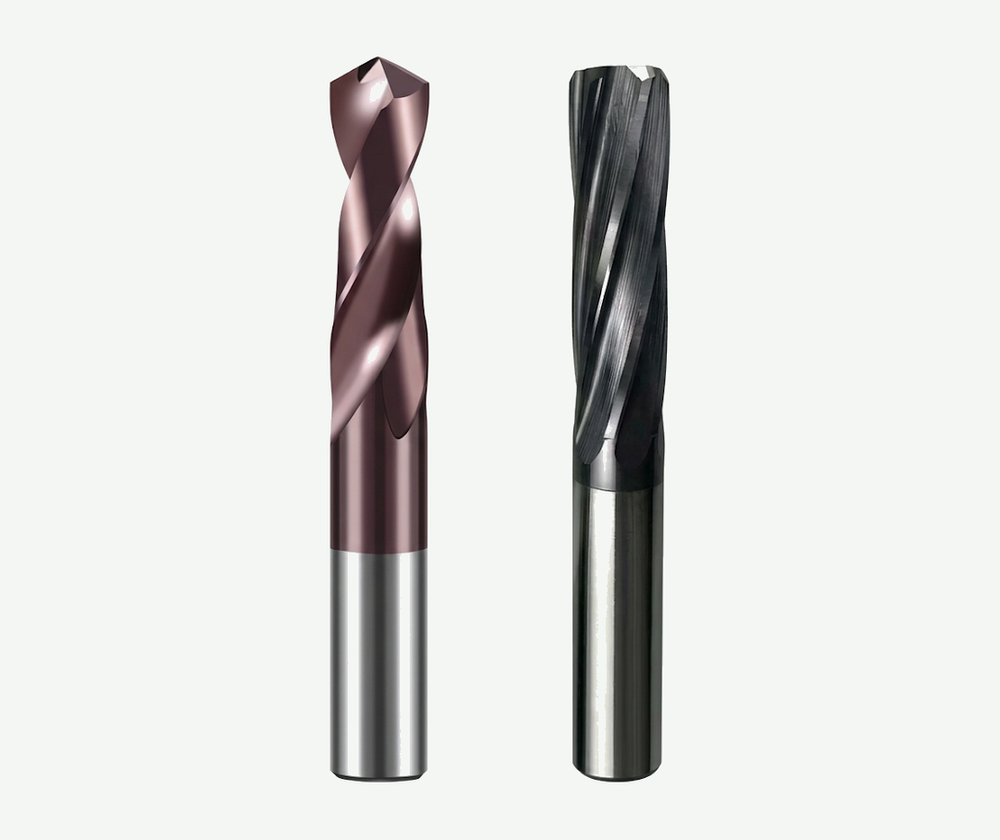
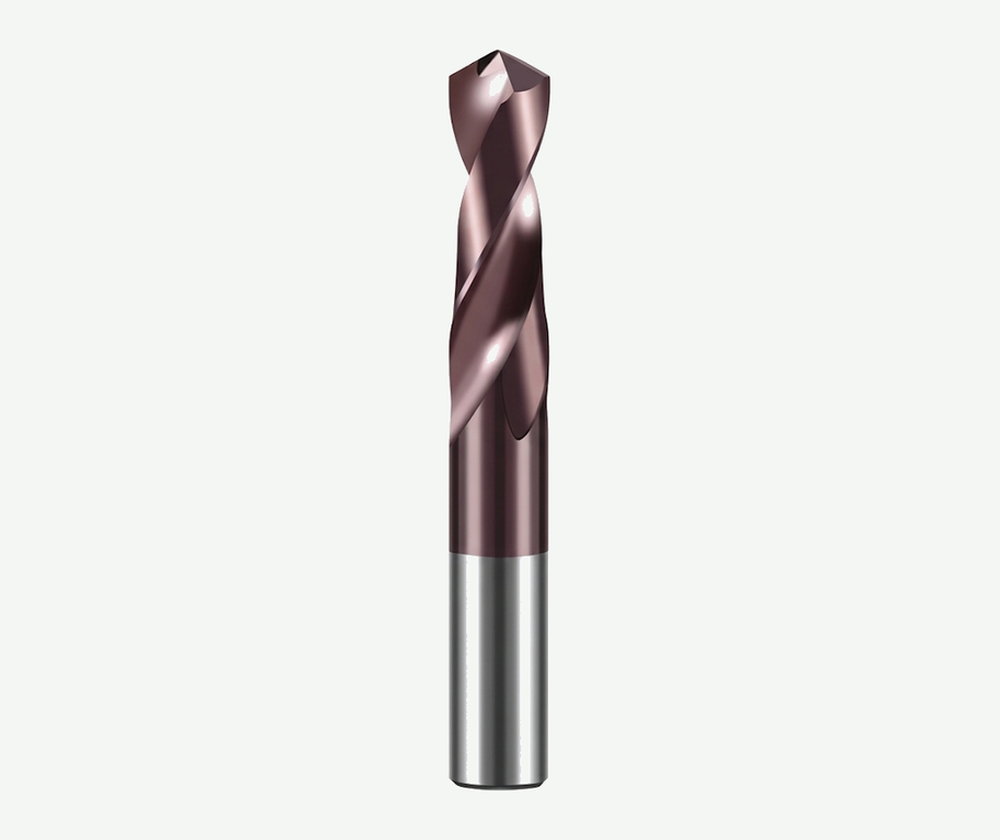
Drill-only vs drill + ream
- Drill-only
- when clearance holes or generous diameter bands are enough and position is fixture-controlled.
- Drill then ream
- when the print sells size, roundness, or finish — reaming is the sizing cut, not a salvage step.
- Position error
- is mostly a setup/fixture problem; reaming alone will not “fix” a wandering pre-hole.
Part-family details (shafts, flanges, boxes) live on their own pages — this page stays on process logic.
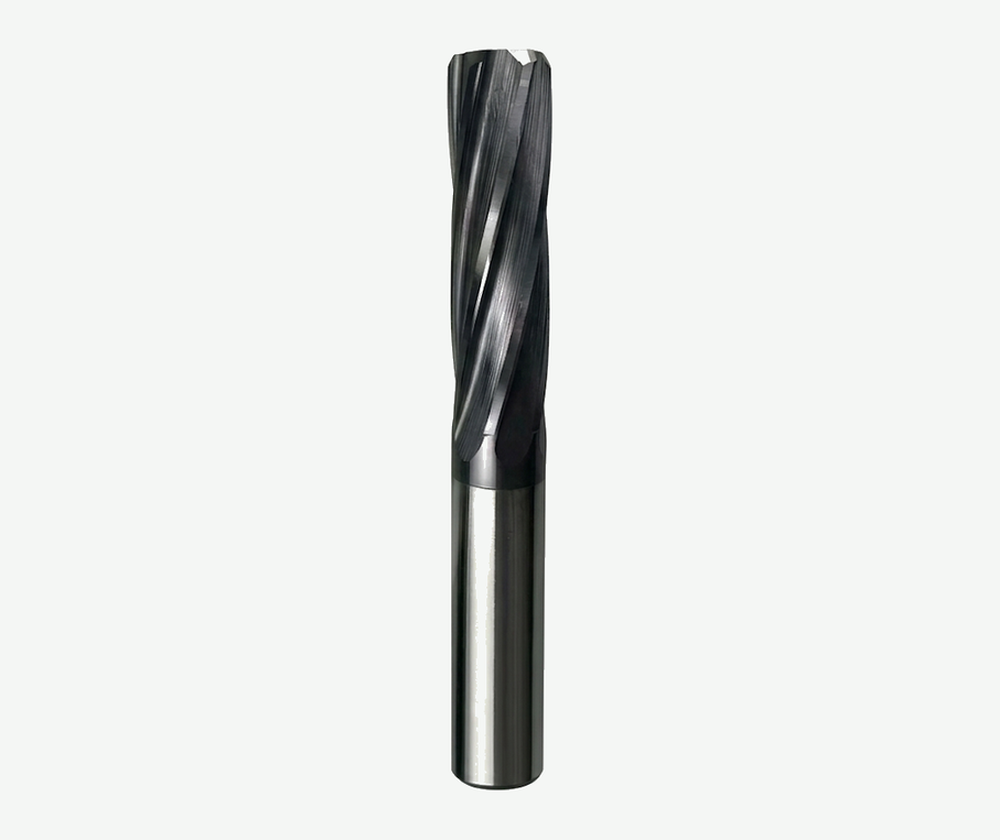
What a reamer inherits from the drill
- Taper / bell-mouthforces uneven stock removal and chatter risk.
- Walk / shiftleaves the reamer fighting an offset centerline.
- Work-hardened skin(especially on some steels) accelerates edge wear on the first sizing pass.
- Chip packingin deep or blind holes damages both the drill exit and the ream entry.
Stabilize drill support, peck/coolant strategy, and runout before you blame the reamer.
Think method—not a universal table
Reaming stock depends on material, diameter, and how the pre-hole was made. HENTRY does not publish one feeds/speeds or allowance chart for every metal. Use the engineering method on our Knowledge page, then confirm against your print.
Reamer allowance & pre-hole sizeWhere HENTRY products fit this path
- 01
- 02
- 03
-
04
Combine stations
Only with a stable process window
Combination drill-ream — evaluate case by case
What usually shows up on the CMM or gauge
- Oversize
- Excess allowance, worn lands, or thermal growth.
- Taper
- Poor pre-hole, guidance, or uneven wear.
- Chatter marks
- Stick-out, holder, or stock too aggressive.
- Built-up edge on aluminum
- Edge condition, coolant, and speed/feed balance.
Next: pick the family page
Shafts, sleeves & flanges
Fit and assembly holes on rotating/locating parts.
Open Part familyBoxes & brackets
Multi-hole patterns without batch drift.
OpenSpecify the finished hole, then pick the conversion path.
Process FAQ
How much stock for reaming?
Use the Knowledge method—not one number for all metals. Start at allowance & pre-hole size.
Is an HSS drill good enough?
Often carbide wins on life and hole consistency in production batches.
PCD reamer after carbide drill on steel?
Material gate: PCD is not the default on steel; stay carbide/reamer-tool unless the application truly fits PCD.
Skip reaming to save cost?
Only if the print allows. Scrap and rework usually cost more than the second tool.
RFQ
Send print + current drill recipe
Include material, target Ø/tolerance, pre-hole method, and what fails today (oversize, taper, finish, life).