
Aluminum EV Housings — Hole and Face Tooling that Holds Tolerance
The housing print says “aluminum,” and the scrap pile still mixes a bellmouthed bearing bore with a sealing face that never sat flat. One end-mill story will not split those jobs.
This page owns aluminum EV housing machining for holes and faces under the automotive powertrain hub. High-speed PCD application depth stays on PCD Aluminum High-Speed. Motor housing bearing bore finishing detail belongs on the dedicated motor-housing page (below)—not as a second encyclopedia here. HENTRY reads the housing pack with you, writes first-article accept, and stays on first-off (sample validation · Custom Cutting Tool RFQ).
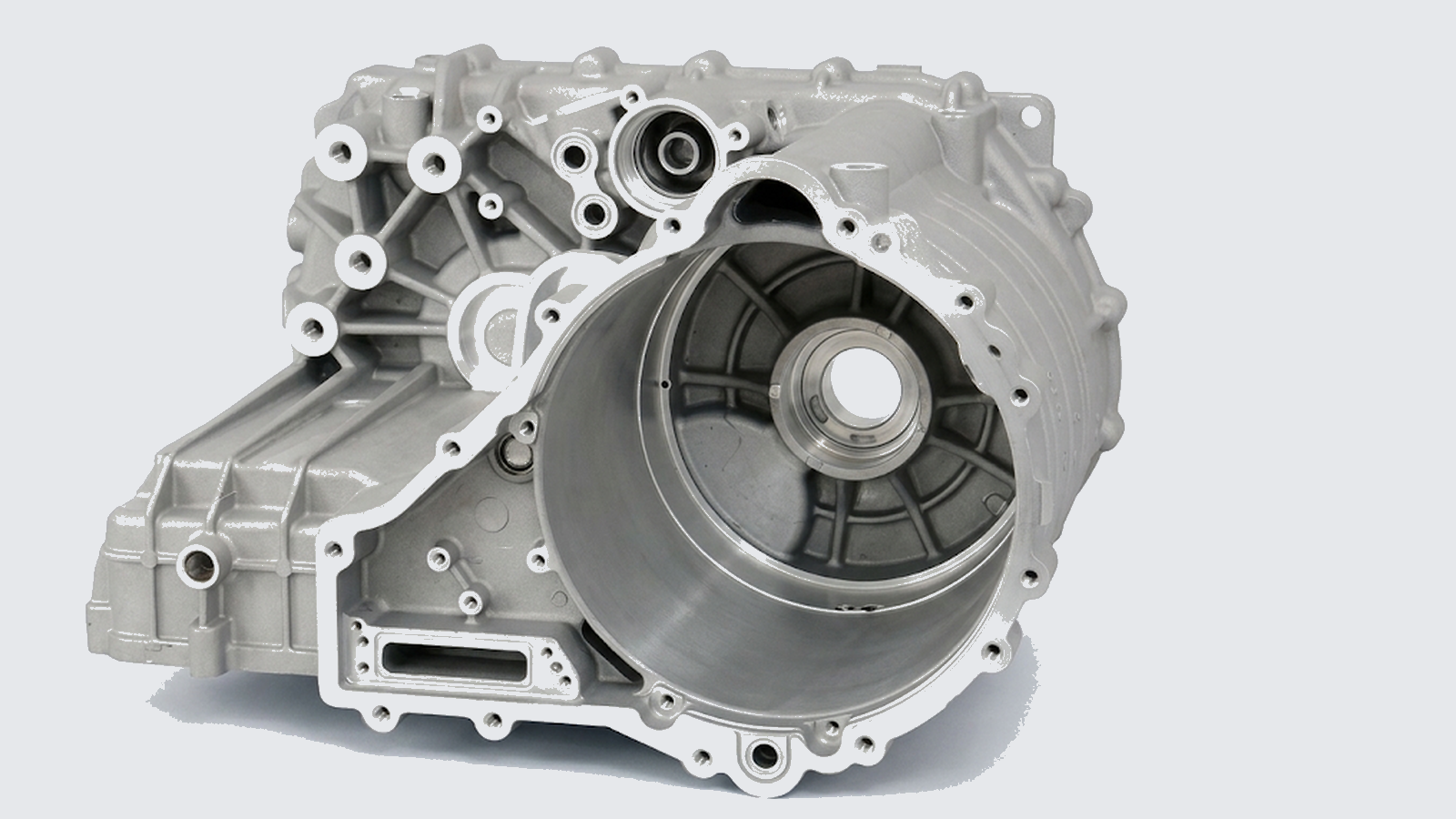
Housing features that drive tooling
| Feature | What usually drives the tool path |
|---|---|
| Bearing / precision bores | Controlled drill → measure → PCD ream when tol/finish are tight — deep finishing detail → #9 (short block below) |
| Locating / dowel holes | Position + diameter; ream only when gauge requires |
| Coolant / cable / window openings | Create-hole + chip plan; not every opening needs PCD finish |
| Sealing faces / datums / pockets | Flatness and seal — PCD face/pocket supporting path (not a milling pillar) |
Hub context: Automotive Powertrain. Related soft: NEV pump bearing hole PCD reaming (pump, not this housing overview). For “why PCD on aluminum” geometry cues, see PCD for high-speed aluminum.
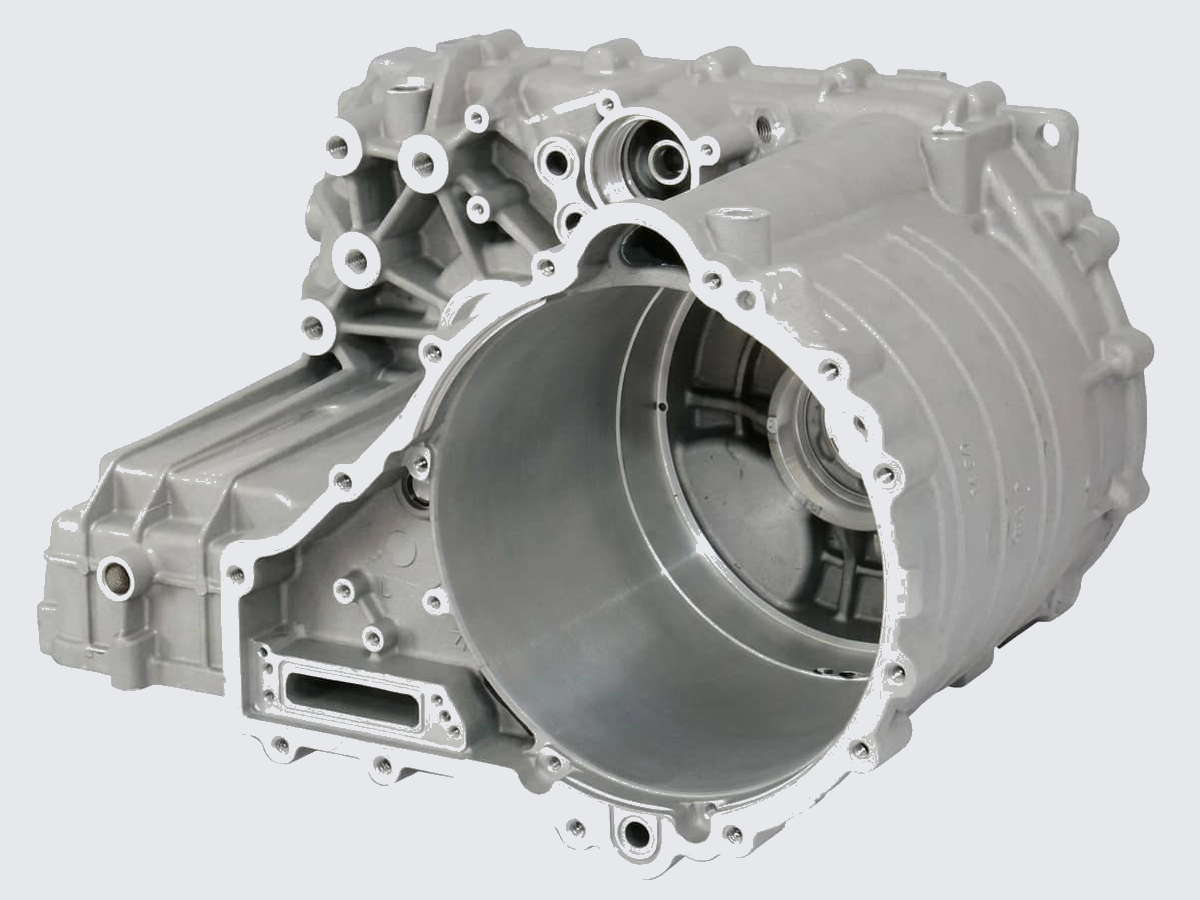
Hole stack: drill → measure → PCD ream
A stable housing hole stack is usually:
- Create-hole with a carbide drill matched to aluminum and coolant reality — Solid Carbide Drill / Carbide Drill for Aluminum.
- Measure the incoming band before freezing reamer allowance.
- Finish critical bores with a Custom PCD Reamer when diameter, roundness, or finish must hold.
Not every housing hole needs PCD. Mark fit-critical bores on the print; leave clearance openings on the create-hole path when the gauge allows. Pre-hole quality soft: PCD reamer pre-hole quality. Si% soft: Aluminum silicon content — PCD vs carbide.
Bearing bores on the housing map (short)
Bearing bores on EV motor housings often sit at the tight end of the hole stack—diameter, roundness, and alignment drive the finish call more than a generic “aluminum reamer” label. Keep the create-hole honest, measure before reaming, and put Si%, allowance, and runout on the RFQ. Full bearing-bore finishing detail (geometry choices, acceptance bands, motor-housing-specific notes) belongs on the motor-housing page: /ev-motor-housing-machining (live). Do not treat this housing hub as a substitute for that bore page.
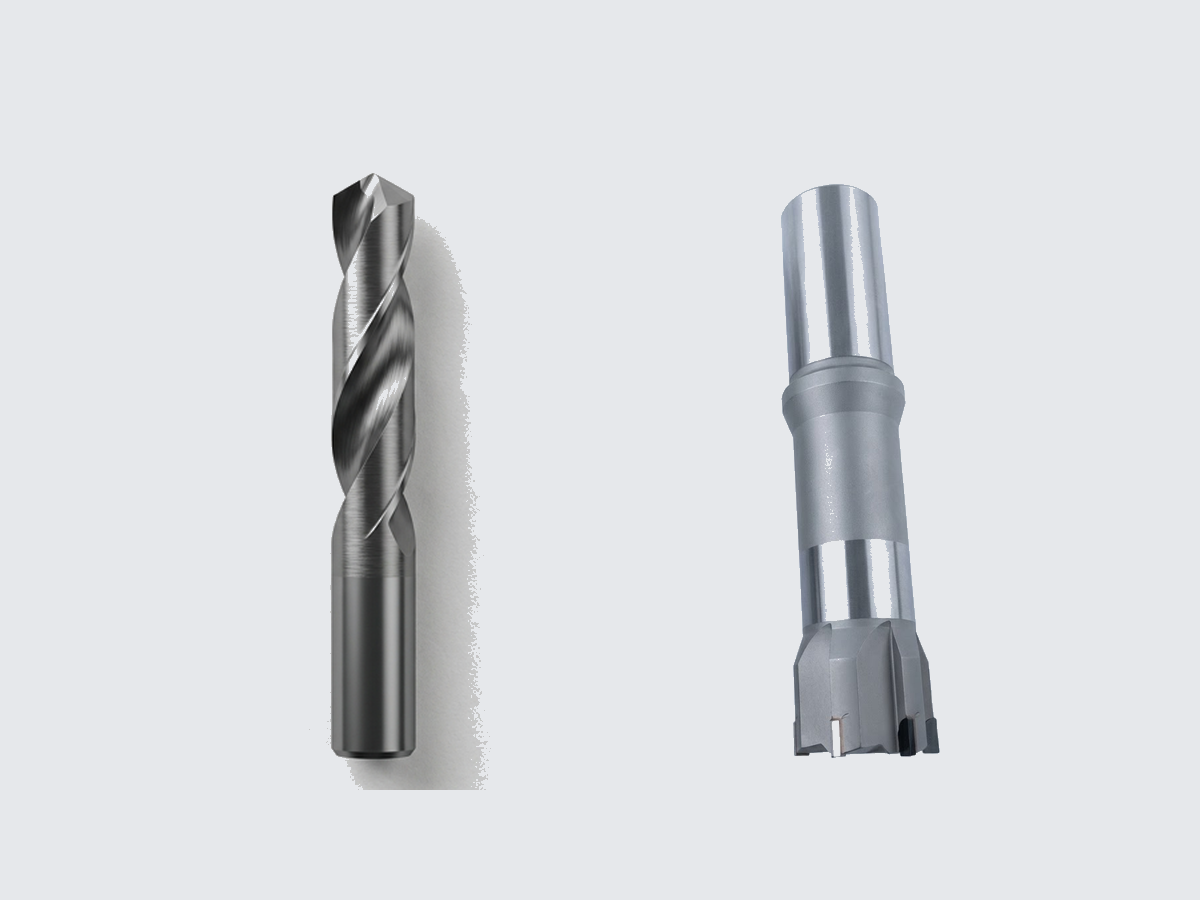
Face & sealing — PCD milling as support only
Sealing faces, datums, and large pockets are a different failure mode than hole diameter: flatness, step, and seal land matter more than “one more reamer.” Use PCD face/pocket tools only where those characteristics are on the drawing—then return to the hole stack for bores. Same-part face + ream context soft: Face milling with PCD reaming on the same part. High-speed aluminum PCD application depth: PCD Aluminum High-Speed. Product soft match (do not dump catalog): PCD milling cutter / face series as needed.
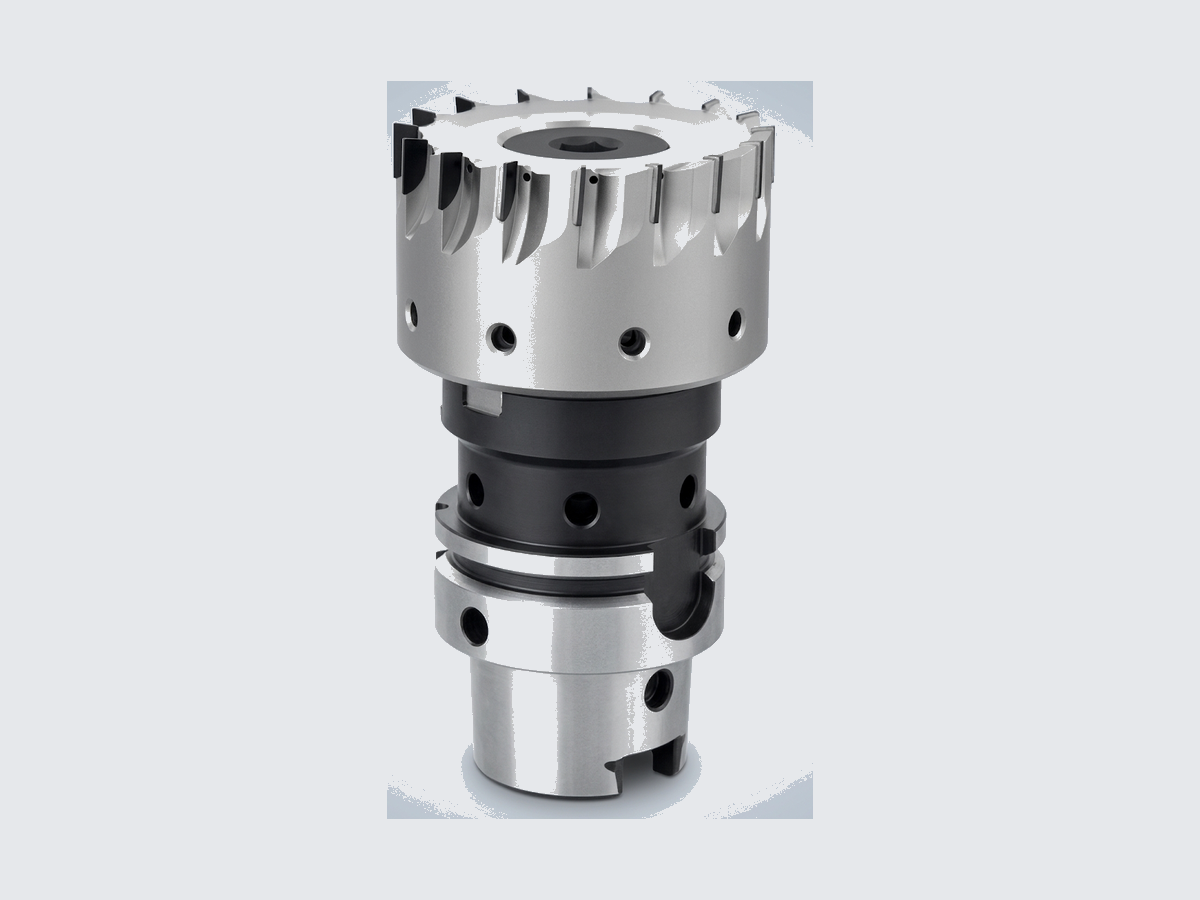
Chip, BUE, and coolant—practical notes
Aluminum housings gum up when edge prep, coolant, and chip escape disagree with Si% and wall thickness. BUE and smeared walls are usually process signals—not a reason to invent a life number on this page. Keep coolant delivery honest on blinds; do not assume flood equals through-spindle. Soft Knowledge only: Si% page above · chatter soft PCD reamer chatter diagnosis if vibration shows on finish bores.
Tool map for EV housings
| Need | Open |
|---|---|
| Tight bore finish | Custom PCD Reamer |
| Create-hole / aluminum drill | Solid Carbide Drill · Carbide Drill Aluminum |
| Face / pocket (support) | PCD milling series + PCD Aluminum High-Speed |
| Motor bearing-bore depth | Live: /ev-motor-housing-machining |
Housing RFQ pack
| Must send | Why |
|---|---|
| Housing print/model + revision; critical bores and faces marked | Separates fit holes from clearance openings and seal lands |
| Alloy + Si% / process notes (e.g. HPDC skin) | Wear and edge discussion—not a life promise |
| Hole chart: Ø, depth, tol, blind/through, TP | Freezes drill vs ream scope |
| Pre-hole method + allowance for finish bores | Stops quoting finish against unknown incoming band |
| Face callouts: flatness / seal / datum | Scopes supporting PCD face work |
| Machine, holder, stickout, measured runout, coolant | Trial realism |
| Volume + scrap mode; sample yes/no + acceptance list | Written acceptance before first article |
A catalog “PCD for every bore” line is the wrong ending. Receive the housing pack, write which bores and faces are in this round, sample against the frozen revision, then stay if first-off talks back. Sample Validation Process. Checklists: PCD Reamer RFQ Checklist · Solid Carbide Drill RFQ Checklist. Quality evidence soft: Manufacturing Quality Evidence.
Housing tooling FAQ
Do EV aluminum housings need PCD reaming on every bore?
No. PCD reaming belongs on fit-critical diameter/finish bores after a controlled pre-hole. Clearance and non-gauge openings often stay on the carbide create-hole path. Mark critical bores on the print and send Si% + allowance via Custom Cutting Tool RFQ · product Custom PCD Reamer.
How do hole stacks differ from sealing-face milling on the same housing?
Hole stacks are drill → measure → ream for diameter and position. Sealing faces and datums are flatness/seal problems—PCD face or pocket work only where those callouts exist, as support, not a second milling site pillar. Same-part soft: Face milling with PCD reaming · application soft: PCD Aluminum High-Speed.
Where do I go for motor housing bearing bore finishing detail?
Use the dedicated motor-housing bearing-bore page: /ev-motor-housing-machining *(live)*. This aluminum EV housings page keeps the full housing map (holes + faces) and RFQ path; it does not replace the bearing-bore finishing page.
What should I mark on the housing drawing for an RFQ?
Critical bores (fit/bearing/locating), sealing faces and datums, alloy/Si%, hole chart with depths and tolerances, pre-hole/allowance for finish bores, holder/runout/coolant, and which characteristics are in scope for sample acceptance. Upload via Custom Cutting Tool RFQ.
Same scenario: PCD aluminum high-speed · Combination tools · Engine & transmission holes · ← Hub
Send the housing print with critical holes and faces marked
The best ending is not one “aluminum housing” tool list. It is a housing map we both read the same way—holes vs faces marked—and someone still answering when first-off bores or seal lands fail.