
Product Detail
Taps for CNC Threading
Review tap families by thread specification and hole type, then submit the application details needed for tool selection.
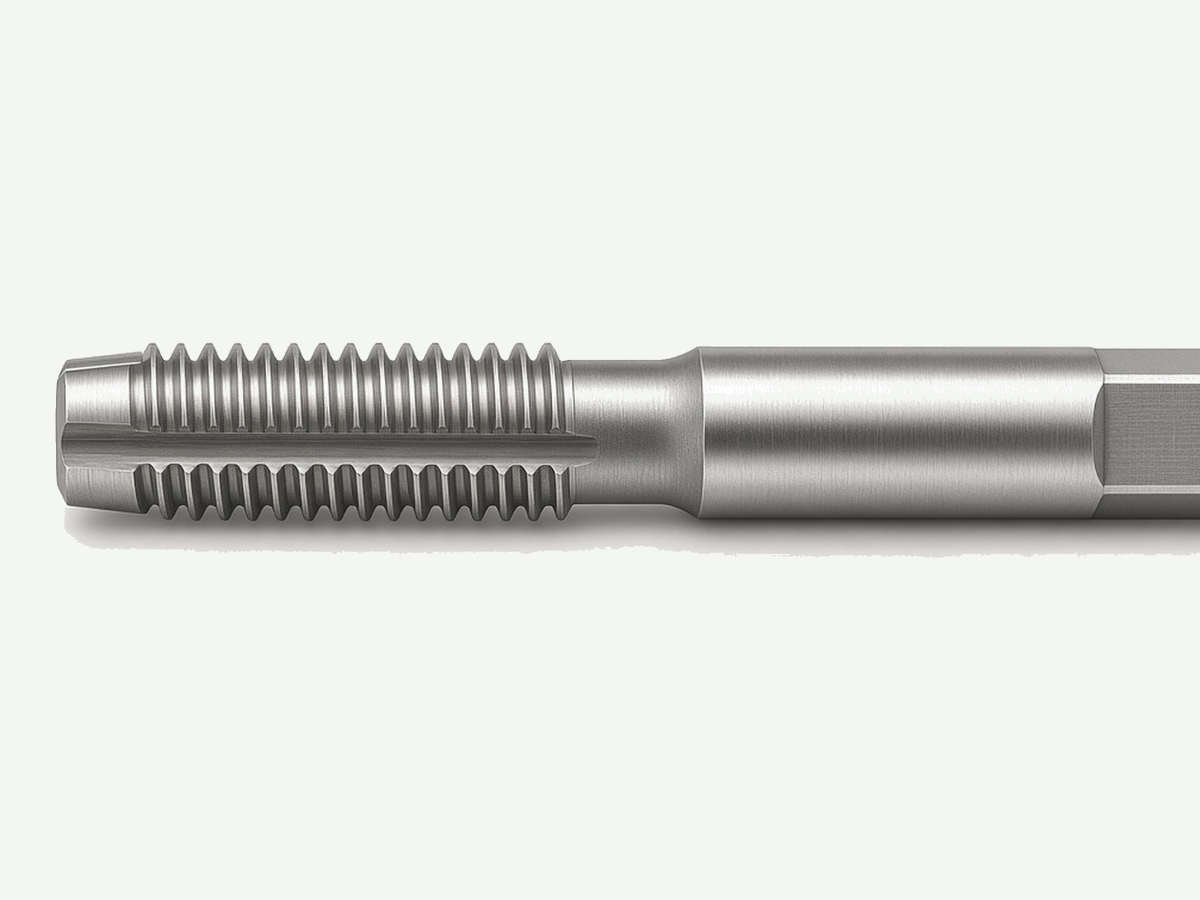
Taps · CNC threading
Taps for CNC Threading
Review tap families by thread specification and hole type, then submit the application details needed for tool selection.
- First choose cut tap vs form tap — then structure
- Straight-flute is a cut-tap structure, not the only tap name on this site
- Blind vs through holes need different depth and chip/form data
Explore tap product series
Choose a construction or process family. Solid carbide and brazed carbide describe construction; flute styles and forming describe how the tool works. Confirm both dimensions of the specification for your application.
Solid Carbide Taps
Specify a one-piece carbide tool rather than a brazed carbide cutting section.
View series →Spiral Point Taps
Check through-hole thickness and any features beyond the exit.
View series →Spiral Flute Taps
Give full thread depth separately from drilled depth and bottom clearance.
View series →Straight Flute Taps
Identify the exact grade and whether the process produces manageable short chips.
View series →Forming Taps
Confirm that the workpiece condition has suitable formability.
View series →Brazed Carbide Taps
Provide a drawing or clear photographs identifying the carbide section and joint.
View series →Cut taps and form taps
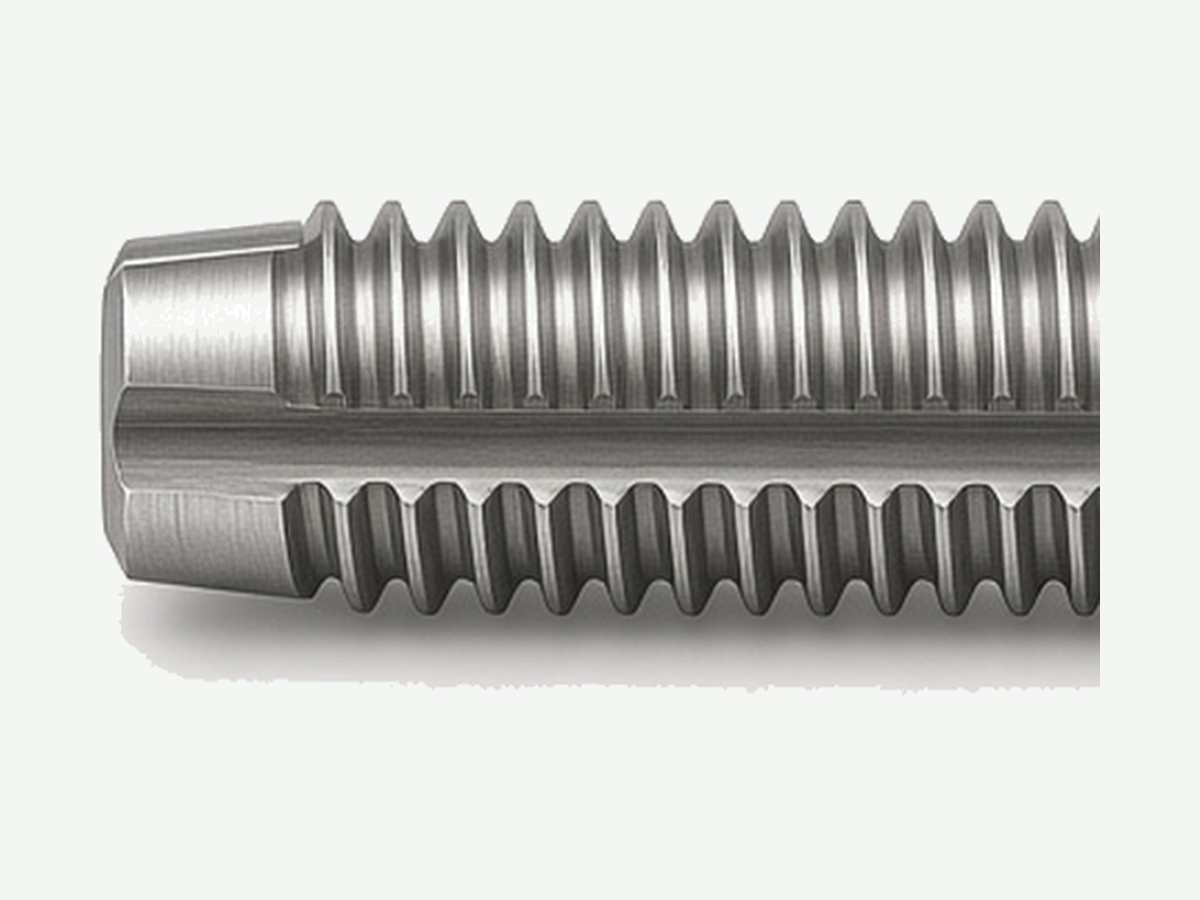
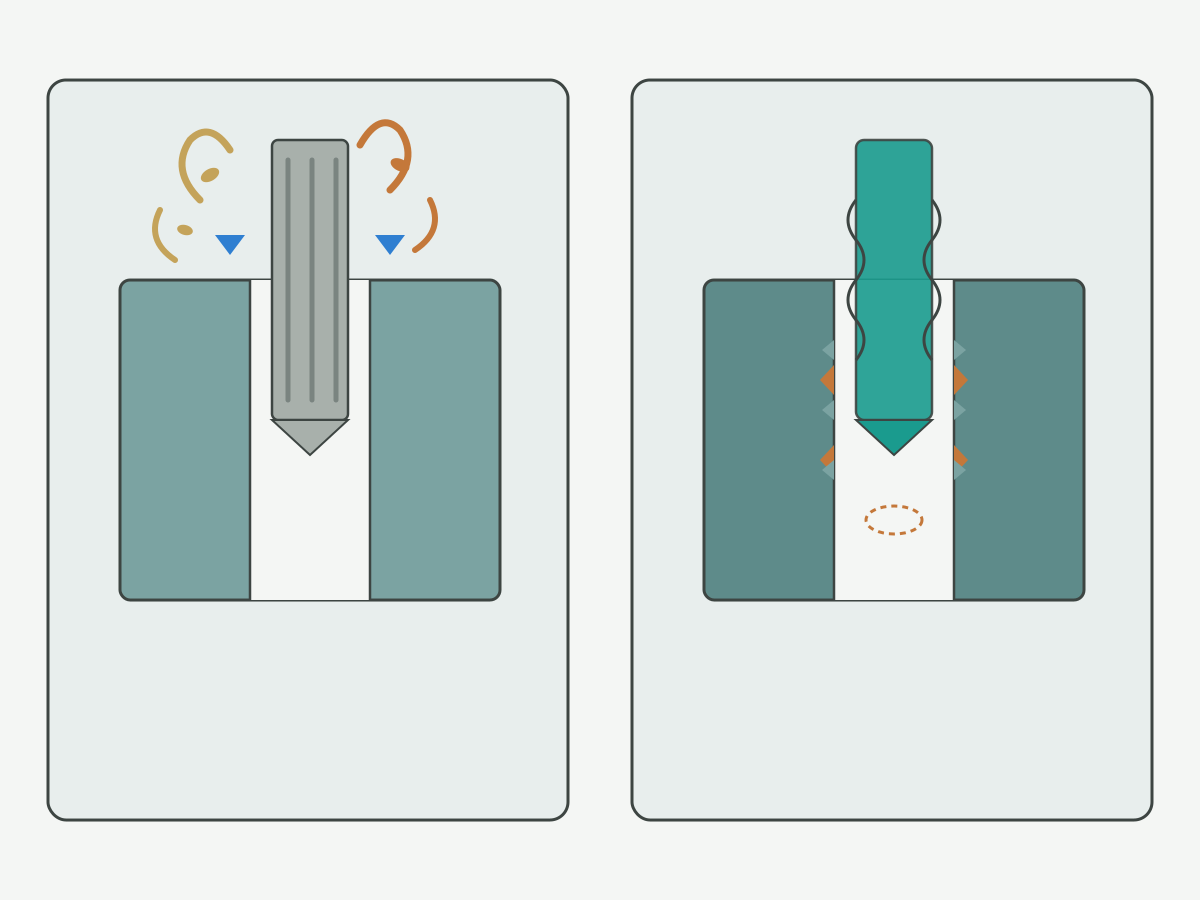
Do not mix chip-cutting and thread-forming into one undifferentiated “tap” list. Structure options (straight flute, spiral flute, spiral point, etc.) sit under the cut-tap family when supplied.
Cutting taps (incl. straight flute)
Remove material to form the thread. Straight-flute taps are one common structure for suitable materials and hole types; spiral flute / spiral point options depend on confirmed supply.
Request cut-tap reviewForming taps (roll / form)
Displace material to form the thread. Pre-hole size, ductility, and lubrication rules differ from cut taps — never share one pre-hole table.
Request form-tap reviewBlind hole and through hole
Report total hole depth, usable thread depth, and bottom clearance for blind holes. Through holes still need chip or forming exit conditions.
Blind tapped hole
Provide total depth, thread length, and bottom remainder. Tool geometry must leave chip/form space — do not assume a through-hole tap fits.
Through hole
Confirm exit condition, stack-up, and whether spiral-point or other chip-forward geometries are appropriate for the material.
Thread standard and size
Group by standard. List nominal diameter, pitch or TPI, and tolerance class in separate columns. Do not convert UNC/UNF to a single decimal millimeter diameter field.
| Standard group | Inputs to send | Notes |
|---|---|---|
| Metric (e.g. M) | Nominal × pitch, tolerance class | Keep pitch explicit |
| Unified (UNC / UNF) | Size, TPI, class | Do not store as mm-only |
| Other (per print) | Standard name + full callout | Per drawing |
Pre-hole and coolant conditions
Pre-hole values belong on a dedicated chart when published. This page only states that process and material must be checked — and that cut-tap and form-tap pre-holes must not share one table.
- Material + hardness band
- Cut vs form process
- Sync / rigid tapping capability
- Lubrication or coolant method
Selection guide
| Family | Cut / form | Flute / structure | Thread callout | Hole type | Usable thread depth | Coolant / lube |
|---|---|---|---|---|---|---|
| Cut tap · straight flute | Cut | Straight flute | Per drawing | Blind / through per review | Customer input | Per material |
| Cut tap · other structures | Cut | When supplied | Per drawing | Per review | Customer input | Per material |
| Form tap | Form | Form lobes | Per drawing | Ductile materials review | Customer input | Form-specific lube |
No invented stock sizes. Related option: thread mills when milling the thread is preferred.
Taps FAQ
What hole dimensions should I send for blind vs through holes?
Blind: total depth, usable thread depth, and bottom clearance. Through: thickness and exit condition. Add material and whether the process is cut or form.
Do cut taps and form taps share the same pre-hole size?
No. Pre-hole rules differ. Do not reuse a cut-tap drill chart for form taps. HENTRY will point to the correct chart when published, or calculate from your print.
Can you select from a thread drawing only?
Yes for preliminary selection. Include standard callout, hole type, material, machine sync method, and lubrication. The proposal depends on the completeness of the application details.
Is “straight flute taps” the only product on this page?
No. Straight flute is a structure under cut taps and a primary search phrase. The page also routes forming taps and other cut-tap structures when supply is confirmed.
Request Tap Selection
Send the thread callout, material, hole depths and quantity. Attach your drawing when available.
Guangdong Hentry Tool Technology Co., Ltd · Brand: HENTRY