
Search results for form tap versus cut tap often mix catalog SKUs, generic tapping tips, and thread-mill comparisons on one screen. Process engineers then open several tabs and still lack a single place to decide whether a forming (roll / cold-form) tap or a cutting tap is the right method for the hole in front of them before they request a tap review.
HC publishes this guide as a process-selection page for CNC threaded holes. You lock form versus cut principles, then material ductility conditions, then pilot-hole and torque windows, then through versus blind limits with lubrication practice, then a selection and verification path into RFQ. The page does not host SKU tables, full feeds matrices, absolute percentage-of-thread formulas as measured HC results, or unverified life claims. Product series and buy-select geometry belong on the taps product page. Unified and size-specific pilot-hole charts live on the tap drill size chart, plus live size pages for 1/4-20, 5/16, 10-32, and NPT tap drill sizes. Thread-mill versus tap path detail for aluminum housings stays on its sibling Knowledge guide. Here you lock form versus cut before RFQ.
Jump: Decision flow · Principles · Ductility · Pilot hole and torque · Blind vs through · Examples · Compare · RFQ checklist · Confirm · FAQ
Quick answer
- Name the mechanism first: form (roll / cold-form) taps displace ductile material to raise the thread; cutting taps remove chips to cut the thread. Do not jump to a catalog nickname before that choice is written on the traveler.
- Read ductility, pilot hole, torque, and hole type together: forming needs a workable ductility and pilot-hole window; cutting needs a chip-exit plan. Blind bottoms raise cut-tap packing risk; through exits often clarify cut-tap evacuation.
- Confirm lubrication and acceptance, then trial and RFQ: treat percentage of thread and prep-hole size as an industry checklist, run a controlled first-off, then open custom cutting tool RFQ with blanks left blank instead of invented digits.
Decision flow: mechanism → ductility → pilot/torque → hole type → trial
Selection path (stop when a field is missing):
| Step | What you lock | If missing |
|---|---|---|
| 1 Mechanism | Form (roll / cold-form) vs cut named on the traveler | Stop; do not jump to a SKU nickname |
| 2 Ductility | Material grade/condition and whether cold forming is plausible | Mark engineering-confirm; do not force form from habit |
| 3 Pilot hole and torque | Prep-hole plan, % thread checklist intent, spindle/holder torque window | Do not invent a permanent formula here |
| 4 Blind vs through + lubrication | Exit/bottom clearance, flute or lobe plan, fluid film or chip-wash intent | Escalate before production |
| 5 Trial and RFQ | First-off notes + matched RFQ package | Open RFQ with incomplete fields if needed |
Read the steps in order. Shops often over-weight a single material nickname or a brochure preference for chip-free language. That habit skips whether the pilot-hole window supports forming, whether the spindle can absorb forming torque without a chip string to warn you, and whether the print even allows a formed profile. Keep method and hole type on the same traveler line so a label like form tap does not hide a second process choice.
Public tapping literacy such as this tapping knowledge overview and this CNC threading and tapping overview helps name the conversation without inventing an HC stock list. Threading literacy such as this threading knowledge overview supports naming cut versus form paths only. Standards literacy such as this codes and standards portal and this national standards overview supports thread-class naming. Metrology literacy such as this public metrology laboratory entry keeps units honest on the traveler.
Form tap vs cutting tap: thread-forming principles
Form taps (also called roll or cold-form taps) raise the thread by displacing ductile material. Cutting taps create the thread by shearing chips. That single mechanism difference drives chip behavior, blind-hole risk, torque feel, and which materials usually stay on which path. Read the axes together instead of picking a nickname from a brochure.
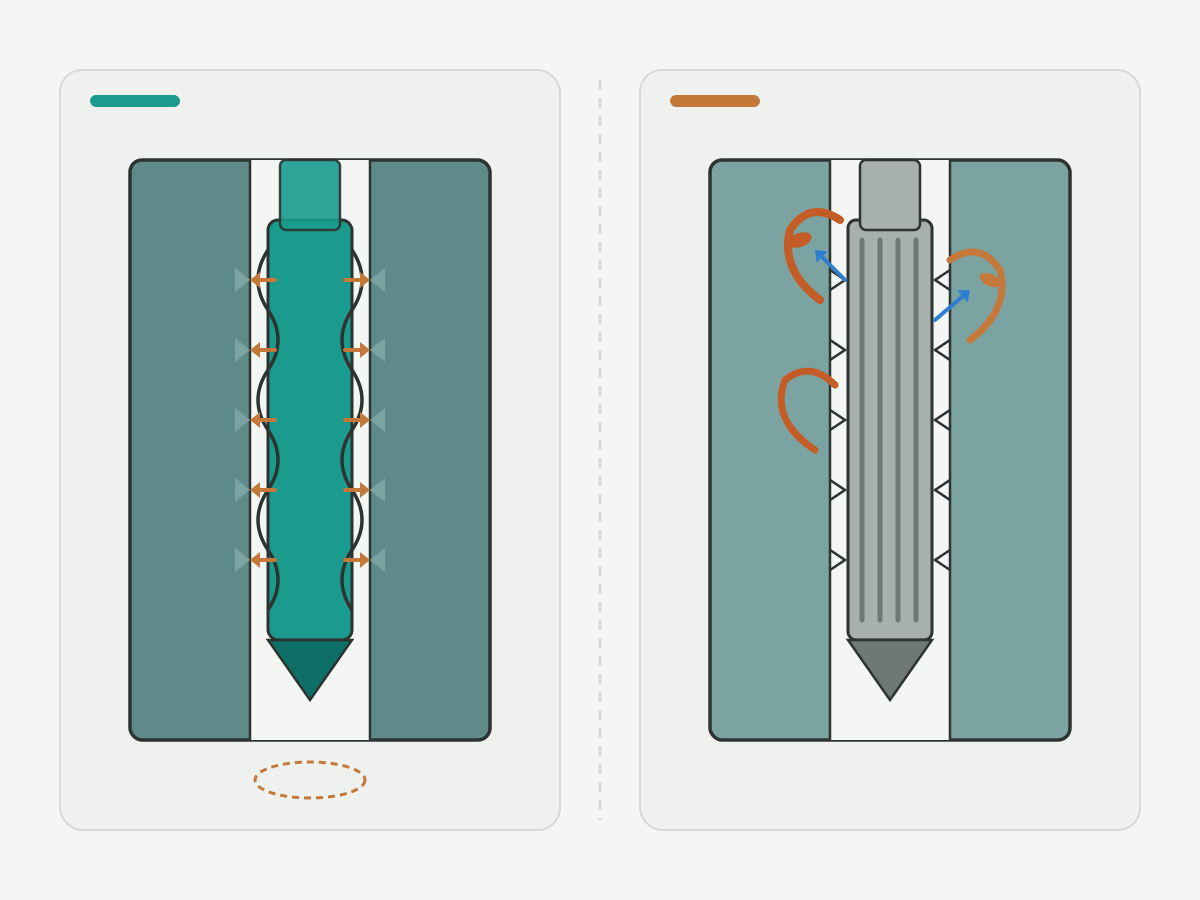
On a form tap, lobes or polygonal forming sections press the prep-hole wall outward and upward into the thread flanks. In a normal forming pass you do not get a chip stream from those flanks. On a cut tap, cutting edges remove material and chips must leave through flutes or out an exit. Neither mechanism invents ductility, and neither erases the need for a controlled pilot hole.
Industry discussion sometimes claims formed threads can show favorable grain flow compared with cut threads. Treat that talk as a reason to confirm acceptance method and print class, not as a published HC strength percentage or life curve. This page does not paste a measured strength gain as a site result.
When the decision still points to a published tap series rather than a custom geometry, open the live taps product page after you finish the confirm list. That product entry owns series selection and buy-select geometry. This Knowledge page only locks form versus cut first.
Material ductility conditions (tendency language only)
Use tendency language, not absolute guarantees. The bands below describe common industry routing habits. Your shop, print, and machine can still override them after engineering confirm.
Form tap is often preferred when the workpiece is ductile enough to cold-form, chip-free flanks reduce blind-hole risk, the thread class and acceptance method allow a formed profile, and the prep-hole plus lubrication window is already understood on that machine. Aluminum alloys, low-carbon steels, and some stainless grades frequently sit in this tendency band. Two aluminum grades with similar labels can still diverge when one is free-machining and another work-hardens under cold forming. Write the certificate grade and the hole type on the same traveler line.
Cut tap is usually required or strongly preferred when the material is brittle or resists cold forming, the specification calls for a cut thread, the spindle torque or prep-hole window cannot support forming, or the feature geometry makes displacement unsafe. Many cast irons, some hardened or high-strength conditions, and prints that explicitly expect a cut form stay on the cut path. If any of those axes are unknown, mark engineering-confirm instead of forcing a form tap from habit.
Machine and holder capability also move the boundary. Sync tapping, rigid tapping, and floating holders change how torque spikes appear, but they do not invent ductility. Toolholding literacy such as this tool holder technology overview helps name sync and runout hygiene only. Public fastener and thread literacy such as this bolt and thread science overview supports naming class and engagement concepts without pasting an HC stock chart.
Pilot hole, percentage of thread, and torque
Treat prep-hole diameter and percentage of thread as an industry checklist, not as a permanent guarantee on this page. Record the target percentage of thread from your print or shop standard, confirm the drill or ream size that produces that window, and leave blank numeric cells blank until engineering confirms them. Incomplete packages should not invent formulas presented as measured results.
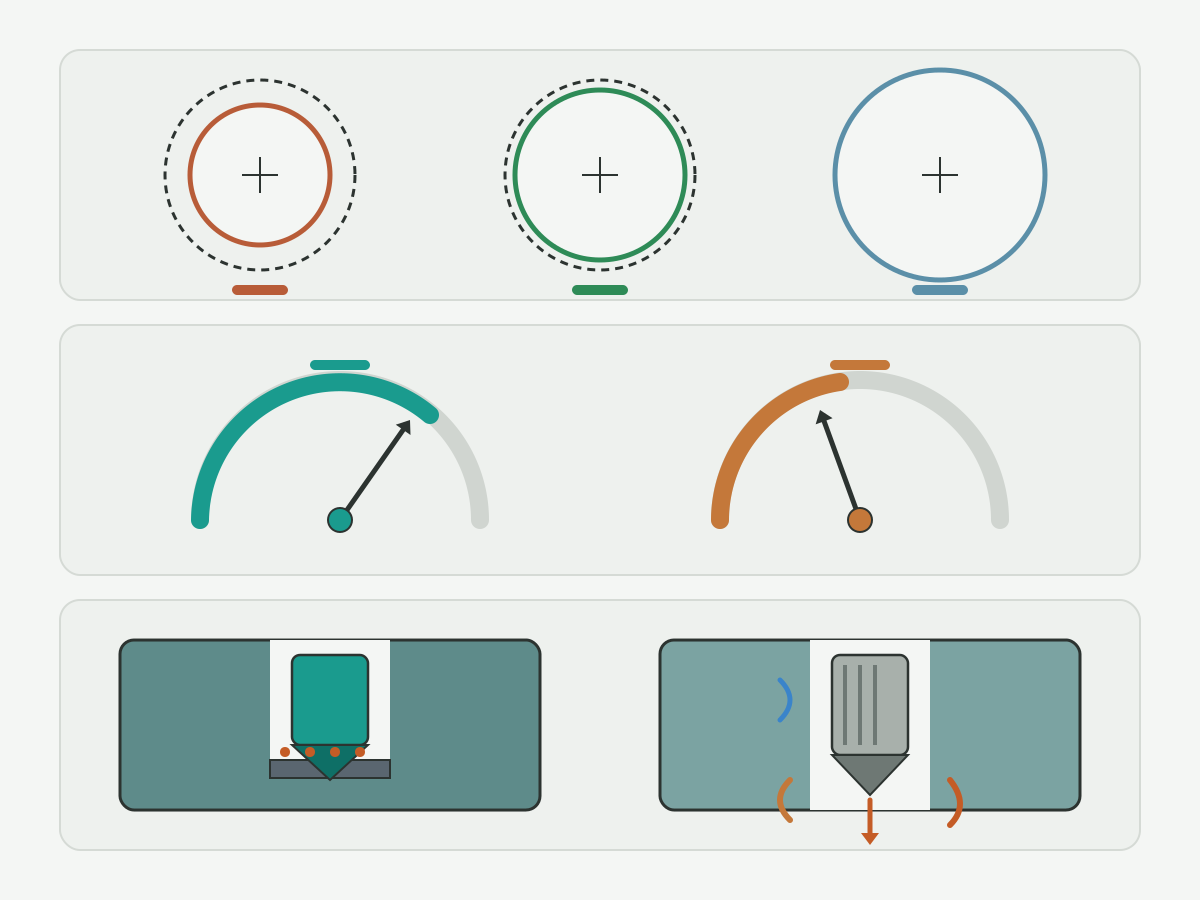
Forming is sensitive to the pilot-hole window. A hole that is too small can drive excessive forming torque, incomplete crests, or swell into thin walls. A hole that is too large can leave a weak or incomplete form. Cutting still needs a controlled core; an oversize prep weakens the thread even when chips evacuate cleanly. Size-specific charts on this site exist so you do not dump absolute tables into this method page: use the unified tap drill size chart and the live size pages already linked in the opening when you need those checklists.
Torque feel differs by method. Forming torque can rise without a chip string to diagnose. Cut-tap packing often shows as torque spikes, blue chips, or a sudden break. Record the signal type on the traveler so the next trial changes the right axis. Engineering calculators and public tap-drill references such as this engineering calculators portal, this tap drill chart overview, this tap drill sizes help page, this tap and drill size chart overview, and this tap drill reference table are literacy aids only. They are not HC measured guarantees for every grade.
Through vs blind holes and lubrication
Blind and through holes change chip risk more than they change the dictionary definition of a form or cut tap. Treat hole type as a chip-control axis that you read beside material ductility.
In a blind hole, cut-tap chips have nowhere to go except up the flutes or into a designed bottom clearance. Spiral-flute cutting taps often lift chips toward the shank on blind features; straight-flute styles may push chips ahead and need enough unused depth. Form taps remove that chip stream at the thread flanks, which is why they are often preferred on blind ductile holes when the prep-hole and torque window support forming. Forming still needs correct bottom clearance for the forming lobe geometry and for any residual prep-hole debris. A deeper catalog of blind-hole tap type families is planned as a separate Knowledge topic (soft-note only for now: /resources/tap-types-blind-hole; not live, no hard link).
In a through hole, cut taps can evacuate chips out the exit when flute style and feed sync match the plan. Form taps remain valid on through holes when ductility and thread requirements favor cold forming, but the chip-free advantage is less decisive than it is on a tight blind bottom. Do not force form tapping on a through hole solely because a brochure prefers chip-free language if the material will not form cleanly.
Lubrication and coolant notes follow the same rule. Form tapping often needs a robust lubricating film; cut tapping often needs chip wash and heat control. Crossing those practices without renaming the method on the traveler is a common source of failed trials. Document fluid, delivery, and owner as a chain, not a single sticker on the machine. Coolant concentration literacy such as this coolant concentration measurement overview supports process hygiene only. Indexable and tapping education such as this threading and tapping education article and research portals such as this CIRP research portal support naming process limits without inventing HC life data.
Interrupted features, cross holes, and thin walls raise both methods into engineering-confirm territory. A form tap that displaces material into a thin wall can swell a boss. A cut tap that hits an interruption can break. Mark those features before you treat either path as automatic.
One soft support sentence only: when tap breakage risk, interrupted features, or thin walls push you off tapping entirely, open the sibling guide thread milling vs tapping aluminum for that path comparison; milling cutter selection beyond that exit stays on its own guides and is not OWN here.
Concrete scenario examples (shop-dependent)
The examples below are teaching scenarios, not HC customer case results. They show how to walk the decision flow. Blank cells stay blank until your certificate, print, and machine confirm them.
| Scenario | Tendency start | What to confirm next | Do not invent |
|---|---|---|---|
| Blind M6-class hole in ductile aluminum housing | Form often attractive when chip-free flanks help the bottom | Pilot-hole window, forming oil film, unused depth for lobes, thread class | Life %, swell %, or a permanent HC forming chart |
| Through 1/4-20 in low-carbon steel plate | Either method may be valid; cut often clearer for chip exit | Flute style vs exit, sync method, prep-hole checklist for the size page | A ranking that one method always wins |
| Blind hole in gray cast iron | Cut usually preferred; forming often poor on brittle iron | Flute lift plan, bottom clearance, torque limit, acceptance method | A forced form-tap SKU from aluminum habit |
| NPT taper pipe thread in ductile fitting | Method still follows ductility; size chart is separate OWN | Use the live NPT drill-size checklist; name form vs cut on the traveler | Dumping the full NPT table into this method page |
For size-specific prep-hole checklists after the method is named, stay on the live size pages already linked above. Do not paste those tables into this form-versus-cut guide.
Conditional compare: form vs cut (not a ranking)
Use the table as a shop-dependent routing aid. It is not a guarantee of tool life, thread strength percentage, or a fixed material list.
| Decision axis | Form tap (roll / cold-form) | Cut tap | Still confirm with engineering |
|---|---|---|---|
| Thread-forming mechanism | Displaces material to raise the thread; no chip stream from the flanks in normal forming | Removes chips to cut the thread form | Confirm the print allows the formed or cut thread class you plan to produce |
| Chip behavior | Chip-free thread raising; chips from the prep hole still leave earlier operations | Chips must evacuate through flutes or out an exit | Do not invent a packing percentage; record observed chip form in prove-out |
| Blind vs through tendency | Often attractive in blind holes when material can form and bottom clearance is tight for chips | Often clearer on through holes where chips can exit; spiral or straight flutes must match the exit plan | Hole type alone does not override ductility or torque limits |
| Material ductility tendency | Industry tendency favors ductile workpieces such as many aluminum alloys, low-carbon steels, and some stainless grades | Industry tendency favors brittle or hard-to-form materials such as many cast irons and some hardened conditions | Blank grade cells until the certificate and engineering confirm match |
| Lubrication tendency | Heavier oil or extreme-pressure film is a common industry tendency for cold forming | Coolant that clears chips and controls heat is the common priority | Cite approved fluid lists; do not invent a concentration % |
| Typical mismatch risks | Hole swell, excessive torque, incomplete form, or cracked thin walls when the prep-hole window is wrong | Chip packing, torn crests, tap breakage, or poor finish when evacuation or lubrication fails | Mark engineering-confirm when any axis is unknown; do not publish life multipliers here |
Units and dimension literacy such as this NIST SP 811 units guidance and this weights and measures overview keep prep-hole and thread-class notes honest. Public tool resource hubs such as this tooling resources overview are optional literacy only.
Procurement and RFQ checklist
Send the RFQ package with method named, material and condition, hole type, prep-hole plan, thread class, lubrication notes, and lot or prove-out needs. Incomplete packages should keep blanks rather than guessed numbers. This checklist does not replace gauge procedures or customer acceptance specs.
- Method named: form (roll / cold-form) or cut.
- Material grade, condition, and certificate notes; ductility judgment stated.
- Hole type: blind or through; unused depth / exit; interruptions or thin walls.
- Thread designation and class; acceptance method (gauge / optical / other).
- Pilot-hole plan and percentage-of-thread checklist intent (no invented absolute formula).
- Spindle sync / holder type and torque window notes.
- Lubrication or coolant: fluid type, delivery, prove-out owner.
- Quantity and trial window; drawing revision.
- Photos of the feature when bottom clearance or interruptions are unclear.
- Identifiers needed for repeat orders.
Incomplete packages should keep blanks rather than guessed prep-hole digits. A named method plus a clear material, hole type, and lubrication note usually reviews faster than a filled size that conflicts with the machine on the floor. Attach drawings so review starts from the same process boundary.
Confirm the specification with engineering support
Before ramp, confirm form versus cut, ductility and material condition, pilot-hole and torque windows, blind versus through limits, lubrication practice, and acceptance method. Hand the package for a matched tap recommendation. HENTRY / HC supports drawing-based proposals. No price, MOQ, or unverified lead time is stated here.
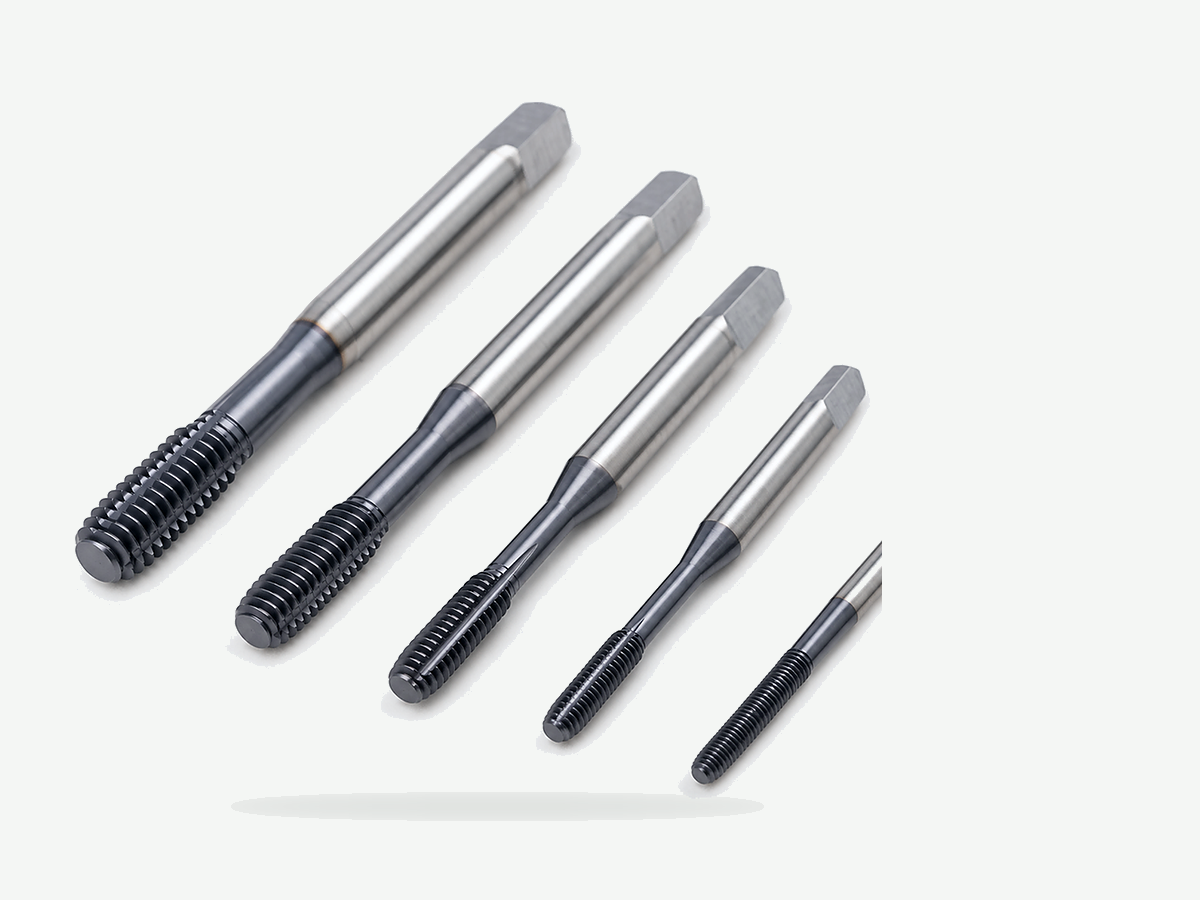
Specification fields to confirm
- Proposed tap family or drawing fragment if known.
- Method: form vs cut; reject invented life claims.
- Material grade / condition and ductility judgment.
- Blind vs through; unused depth or exit; interruptions.
- Thread designation / class and acceptance method.
- Pilot-hole plan and % thread checklist intent.
- Holder / sync method and torque notes.
- Lubrication or coolant mode and owner.
- Inspection and sample acceptance expectations.
- Identifiers needed for repeat orders.
Trial plan (minimum)
- Same drawing revision and acceptance criteria as the checklist.
- First-off record of torque feel, chip or swell signals, crest condition, and any bottom packing notes before compensation edits.
- Change one variable at a time when comparing form versus cut under the same material and acceptance intent.
- Stop when torque spikes unsafely, crests tear, walls swell, chips pack, or the print class fails.
- Do not claim a method "won" without those controls.
Review constructions: explore taps · tap drill size chart · size pages already linked above.
Request a form or cut tap recommendation
Suggested enquiry subject: Form vs cut tap - [material] - [blind/through] - [thread] - [pilot plan] - [lube]
Form Tap vs Cut Tap FAQ
What is the difference between a form tap and a cut tap?
A form tap (also called a roll or cold-form tap) displaces material to raise the thread. A cut tap removes chips to create the thread. Use the decision flow and compare table on this page to map that mechanism to ductility, pilot-hole and torque windows, and blind versus through risk. Do not treat the table as a life percentage or strength guarantee.
When should I choose a form tap over a cut tap?
Industry tendency favors form taps on ductile materials such as many aluminum alloys, low-carbon steels, and some stainless grades when chip-free threads help the process and the prep-hole window supports cold forming. Blind holes often benefit because there are no chips to pack at the bottom. Confirm torque, lubrication, and prep-hole size with application engineering; the choice remains shop-dependent.
When is a cut tap required?
Cut taps are usually required or strongly preferred when the material is brittle or does not cold-form well, when the thread specification calls for a cut thread form, or when the prep-hole and spindle-torque window cannot support forming. Cast irons and some hardened or high-strength conditions often stay on the cut path. Mark unknown cells engineering-confirm instead of forcing a form tap.
How do blind and through holes change the decision?
Blind holes raise chip-packing and bottom-clearance risk for cut taps, so chip-free form tapping is often attractive when the material can form. Through holes give cut taps a clearer evacuation path, especially with spiral or straight flute choices that match the exit direction. Hole type alone does not override material ductility; read both axes on the decision board.
What prep-hole size and percentage of thread should I confirm?
Treat prep-hole diameter and percentage of thread as an industry checklist, not as a permanent guarantee on this page. Record the target percentage of thread from your print or shop standard, confirm the drill or ream size that produces that window, and leave blank numeric cells blank until engineering confirms them. Use the live size chart pages for size-specific checklists after the method is named.
How is this guide different from the taps product page and tap-drill charts?
This page owns the form-versus-cut process decision, ductility conditions, pilot-hole and torque windows, blind-versus-through and lubrication notes, and RFQ inputs. The taps product page owns series selection and buy-select geometry. Tap-drill chart pages own size checklists. Do not copy product specification tables or full size matrices into this process guide.
When should I consider a thread mill instead of tapping?
Consider a thread mill when tap breakage risk is high, when interrupted or thin-wall features make a full tap pass unsafe, or when the programming path favors milling the thread. This guide does not own thread-mill versus tap routing for aluminum housings; that comparison lives on the sibling Knowledge page already linked in the body.
What coolant or lubrication notes matter for form tapping?
Industry practice often favors heavier oil or extreme-pressure lubrication for form tapping because cold forming needs a robust film more than flood chip wash. Cut tapping usually prioritizes coolant that clears chips and controls heat. Treat these notes as checklist tendencies. Confirm approved fluid, delivery method, and prove-out limits with application engineering before you lock the traveler.
Sources and related guides
Outbound references support tapping and threading literacy, tap-drill and fastener checklist literacy, toolholding hygiene, coolant measurement, manufacturing research portals, and standards or units literacy cited in the body. Manufacturer-specific forming charts remain tied to their own products. The decision walkthrough is an HC editorial teaching aid, not a measured customer result. Sources checked 25 October 2026 (Asia/Shanghai).
- Tapping knowledge overview (third-party education; linked in body)
- Threading knowledge overview (third-party education; linked in body)
- CNC threading and tapping overview (third-party education; linked in body)
- Tap drill chart overview (third-party education; linked in body)
- Engineering calculators portal (third-party tooling education; linked in body)
- Tap drill sizes help page (third-party reference; linked in body)
- Tap and drill size chart overview (third-party reference; linked in body)
- Tap drill reference table (third-party reference; linked in body)
- Tool holder technology overview (third-party education; linked in body)
- Bolt and thread science overview (third-party education; linked in body)
- Coolant concentration measurement overview (third-party process literacy; linked in body)
- Threading and tapping education article (third-party education; linked in body)
- CIRP research portal (third-party research society; linked in body)
- Tooling resources overview (third-party education; linked in body)
- Codes and standards portal (public standards entry; linked in body)
- National standards overview (public standards entry; linked in body)
- Public metrology laboratory entry (public metrology entry; linked in body)
- NIST SP 811 units guidance (public metrology entry; linked in body)
- Weights and measures overview (public metrology entry; linked in body)
Related live guides: taps · tap drill size chart · 1/4-20 tap drill size · 5/16 tap drill size · 10-32 tap drill size · NPT tap drill sizes · thread milling vs tapping aluminum · Knowledge hub · custom cutting tool RFQ.