
This page helps CNC process engineers, programmers, and tooling buyers lock a tap drill size for NPT tapered pipe threads: separate NPT from straight UNC/UNF and NPS, name the 1:16 taper and that nominal size is not pipe OD, lock a public-chart drill for lead case 1/4 NPT (commonly 7/16 inch without a taper reamer), keep useful thread depth and L1 gauge intent on the traveler, gate reamer paths that use a smaller drill, then confirm with the drawing and tap maker chart before RFQ. The live hub stays on the tap drill size chart. Straight-inch deep dives stay on 1/4-20 tap drill size and 5/16 tap drill size. This page is the NPT OWN; it is not a UNC/UNF encyclopedia, clearance-hole chart, form-versus-cut encyclopedia, or invented ranking, price, life claim, or unsourced matrix.
Start from the live form tap vs cut tap guide when straight-thread method is still open; NPT paths here assume a cut pipe tap unless the print says otherwise. Browse taps and carbide drill bits. For straight-thread alternatives see the live thread milling vs tapping aluminum guide and thread mills, plus the live precision holemaking selection guide. Live sisters: 10-32 tap drill size · bolt clearance hole chart. End at custom cutting tool RFQ when ready.
Quick answer
- NPT is tapered pipe, not straight UNC/UNF: National Pipe Taper uses a 1:16 taper (about 3/4 inch per foot). Do not reuse a 1/4-20 or other UNC cut-tap drill as an NPT prep hole. NPS straight pipe threads are a different family and are not a free substitute for sealing NPT joints.
- 1/4 NPT cut-tap starter (public chart consensus, no reamer): many published NPT shop charts list a 7/16 inch drill (0.4375 inch) for 1/4-18 NPT when tapping without a taper pipe reamer. Treat that as ASME B1.20.1-style / public chart consensus, not an HC laboratory measurement. Confirm drawing class, material, sealant or dryseal intent, and the tap maker chart before production.
- Depth and gauges stay named: effective / useful thread length and hand-tight (L1) engagement are taper-thread quantities. A straight hole meeting a tapered tap is a compromise; name the L1 gauge window and unused depth on the traveler.
- Reamer path is gated: if the process uses a 1:16 taper pipe reamer before tapping, public practice often uses a smaller drill (commonly 27/64 inch for 1/4 NPT). Next step: name NPT size, reamer yes/no, drill with units, depth/gauge intent, then open RFQ if needed.
Selection path (stop when a field is missing):
| Step | What you lock | If missing |
|---|---|---|
| 1 Family literacy | NPT tapered pipe (not UNC/UNF, not NPS as a free swap) | Stop; rewrite the callout |
| 2 Size and taper | Nominal NPT size + TPI + 1:16 taper note; OD is not the nominal fraction | Do not pull a drill from habit alone |
| 3 Drill path | No-reamer drill vs reamer-then-tap drill + units | Keep drill open; do not invent a % |
| 4 Effective depth / gauge | Useful thread length intent + L1 / acceptance method | Do not tap from a clearance or UNC hole |
| 5 Material / sealant / hole type | Grade/condition; NPT sealant vs dryseal (NPTF) note; blind vs through | Escalate before production |
| 6 Trial and RFQ | First-off gauge result + matched RFQ package | Open RFQ with incomplete SKU if needed |
Jump: NPT vs straight · Size and taper · Drill and depth · Reamer and tapping · Gauges and sources · Worked examples · RFQ · Confirm · FAQ
NPT tapered pipe versus straight threads
Shop slang that says "quarter pipe" or "NPT" without naming the taper invites a straight-thread mix-up. Keep the families separate before any chart lookup.
- NPT (National Pipe Taper): general-purpose tapered pipe threads in the ASME B1.20.1 family. The flank geometry follows a 60-degree thread angle on a 1:16 taper. Joints commonly rely on thread interference plus a sealant or tape unless the print names a dryseal series.
- Straight UNC/UNF machine screws: constant major diameter along the axis. Tap-drill rows for 1/4-20, 5/16-18, and similar callouts belong on their live deep dives and on the multi-system hub, not on this NPT page. Do not paste those decimals into an NPT traveler cell.
- NPS / straight pipe: National Pipe Straight (and related straight pipe forms) keep a constant pitch diameter band for mechanical joinery or for use with a sealing washer. They are not a free sealing substitute for NPT. Mixing NPT male into NPS female (or the reverse) without an engineered design is a fail signal.
- NPTF / dryseal gate: if the print says NPTF, stop and use the dryseal chart and gauges. This page OWN stays on general-purpose NPT.
- Not this page's OWN: UNC/UNF tap drills, clearance-hole fit classes, and BSP/ISO encyclopedias belong elsewhere. Use the live tap drill size chart, 1/4-20 tap drill size, and 5/16 tap drill size pages for straight-inch neighbors.
Public pipe-thread literacy such as this NPT taper pipe thread overview and this pipe thread types overview helps name NPT versus straight families. Standards literacy such as this codes and standards portal supports ASME B1.20.1-style naming only. Metrology literacy such as this public metrology laboratory entry and this weights and measures overview keeps inch decimals honest on the traveler.
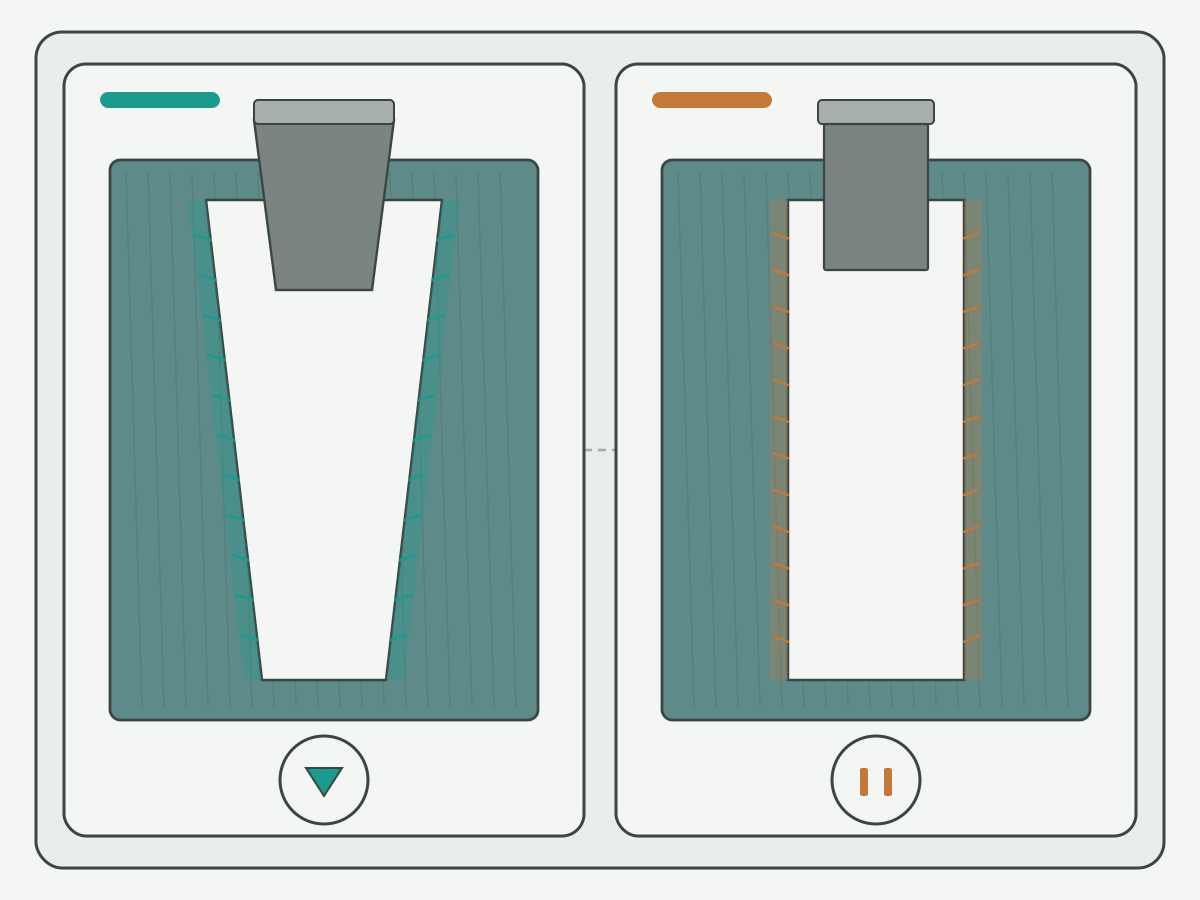
Schematic illustration: not a catalogue ranking or cutting-data table. Confirm NPT versus straight callout and taper intent on your drawing before any drill is pulled.
NPT size callouts, TPI, and the 1:16 taper
Three naming traps collapse into one traveler cell on pipe work. Keep them separate.
- Nominal NPT size is not the outside diameter: a 1/4 NPT callout names a nominal pipe size. The matching pipe outside diameter is about 0.540 inch on public NPT tables, not 0.250 inch. Measuring OD and comparing to a table is how shops identify unknown fittings.
- TPI is part of the identity: 1/4 NPT and 3/8 NPT both commonly run 18 TPI; 1/2 NPT and 3/4 NPT commonly run 14 TPI; 1/8 NPT commonly runs 27 TPI. Size plus TPI plus family (NPT) must all appear on the traveler.
- Taper rate 1:16: diameter grows about 1/16 inch for each inch of axial length (about 3/4 inch per foot). The half-angle is about 1 degree 47 minutes. A straight drilled hole therefore meets a changing minor-diameter band as the tap advances.
- Lead search case 1/4-18 NPT: neighbor sizes appear as conditional chart rows with the same source boundary, not as a second OWN encyclopedia.
| Quantity | Typical 1/4 NPT literacy value | Role on traveler | Fail signal if collapsed |
|---|---|---|---|
| Nominal size | 1/4 NPT | Names the pipe family | Treated as 0.250 in hole or as 1/4-20 UNC |
| Pipe OD (approx.) | 0.540 in | Fitting identification | OD used as tap drill |
| TPI | 18 | Pitch identity with size | Wrong pitch tap pulled |
| Taper | 1:16 | Depth / reamer / gauge framing | Straight UNC drill reused |
Dedicated 1/4 NPT literacy such as this 1/4 NPT dimensions and tap drill note and this NPT thread chart overview support naming OD, TPI, and drill. Unit literacy such as this NIST SP 811 units guidance and this weights and measures program overview supports inch/mm discipline. National standards literacy such as this national standards overview supports family naming only.
NPT tap drill sizes and effective thread depth
For a cut NPT pipe tap without a taper reamer, many published NPT shop charts list the drill sizes below. The lead row is 1/4 NPT → 7/16 inch (0.4375 inch). Treat every cell as ASME B1.20.1-style / public chart consensus with verify-before-production, not as an HC measured guarantee for every grade.
Source boundary: ASME B1.20.1-style NPT tap-drill practice as reflected in public NPT references cited above. Applicability: cut pipe taps; fittings when sealant practice matches the print; holes with planned chip exit and unused depth. Charts can disagree by one stock size (for example 1/2 NPT 23/32 vs 45/64); prefer print and tap maker over habit. Values are public chart consensus, not XRZ laboratory data.
| NPT size | TPI | Approx. pipe OD (in) | Typical drill (no reamer) | Decimal (in) | Approx. useful thread L2 (in) | Confirm when… |
|---|---|---|---|---|---|---|
| 1/8 | 27 | 0.405 | R | 0.3390 | 0.2639 | Reamer path, NPTF, or maker chart differs |
| 1/4 | 18 | 0.540 | 7/16 | 0.4375 | 0.4018 | Reamer path (often 27/64), stainless, or gauge fail |
| 3/8 | 18 | 0.675 | 37/64 | 0.5781 | 0.4078 | Maker chart or material window differs |
| 1/2 | 14 | 0.840 | 23/32 | 0.7188 | 0.5337 | Nearby chart lists 45/64; prefer print + maker |
| 3/4 | 14 | 1.050 | 59/64 | 0.9219 | 0.5457 | Hard alloy needing reamer-first path |
| 1 | 11.5 | 1.315 | 1-5/32 | 1.1563 | 0.6828 | Deep port or interrupted feature |
CNC threading literacy such as this CNC threading and tapping overview and this tap drill chart sizes overview frames pipe-tap talk without a feeds library. Public distributor help such as this tap drill sizes help page is literacy only. Straight-thread charts such as this UNC UNF and metric tap drill chart and this tap drill reference table must not be copied into an NPT cell. Threading education such as this threading knowledge overview and this tapping knowledge overview adds process naming only (neutral anchors).
Common process notes for NPT drill and depth:
- Useful / effective thread length (L2 literacy): public tables list about 0.4018 inch useful length for 1/4 NPT. Treat it as a planning aid, not a "deeper is stronger" claim. Leave unused depth for chamfer and chips in blind ports.
- Hand-tight engagement (L1 literacy): acceptance often rides on an L1 gauge window (shop literacy commonly discusses about ±1 turn), not on "I used 7/16" alone.
- Blind ports / hard alloys: name unused depth; chip packing breaks taps. Hard alloys often prefer reamer-first. Do not invent a life percentage as an HC result.
- UNC mix-up gate: if the print says 1/4-20 UNC, stop and use the live 1/4-20 tap drill size page. Do not paste UNC decimals as NPT.
Taper reamer paths, tapping conditions, and misuse checks
A straight drilled hole meeting a tapered NPT tap is always a compromise. Some processes drill, taper-ream at 1:16, then tap so more of the useful length carries a fuller thread form.
- Reamer-then-tap (1/4 NPT): public notes commonly list 27/64 inch (0.4219 inch) with a taper pipe reamer, versus 7/16 inch drill-only. Name the path; do not mix the drills.
- When reamer-first helps: hard alloys, stainless, or ports that need fuller form over more useful length. It is not automatic for every soft fitting.
- Sealant versus dryseal: general-purpose NPT often needs approved sealant or tape per the assembly spec. NPTF is a different callout. Do not invent a "no sealant needed" NPT claim here.
- Form-tap / clearance gates: straight form taps live on the form tap vs cut tap guide. Clearance holes are not NPT prep. See the bolt clearance hole chart.
- Misuse checklist: UNC drill reused for NPT; 7/16 kept on a 27/64 reamer path; nominal 1/4 treated as 0.250 inch; NPS/NPTF mixed without redesign; L1 gauge skipped. Any one stops the job.
| Axis | Drill-only NPT tendency | Reamer-then-tap tendency | Straight UNC / clearance tendency | Keep open when… |
|---|---|---|---|---|
| Hole size vs taper | Larger stock drill (1/4 → 7/16) | Smaller drill + 1:16 reamer (1/4 → 27/64) | UNC cut-tap or clearance decimals | Path or maker chart missing |
| Thread form along depth | Compromise straight hole vs taper | Fuller form over more useful length | Constant major (not pipe taper) | Acceptance method unnamed |
| Material | Broader soft/free-cutting ports | Often preferred on hard / stainless | Machine-screw materials | Certificate grade unknown |
| Seal / family | NPT + sealant practice per print | Same family; still confirm sealant | UNC mechanical; clearance not sealing | NPTF / NPS undecided |
| RFQ note | State NPT size + drill-only + 7/16 | State reamer-first + smaller drill | Send to straight-thread or clearance page | Family or path undecided |
This compare table is conditional. It is not an unconditional ranking of reamer-first over drill-only, of 7/16 over every other stock size, or of any brand.
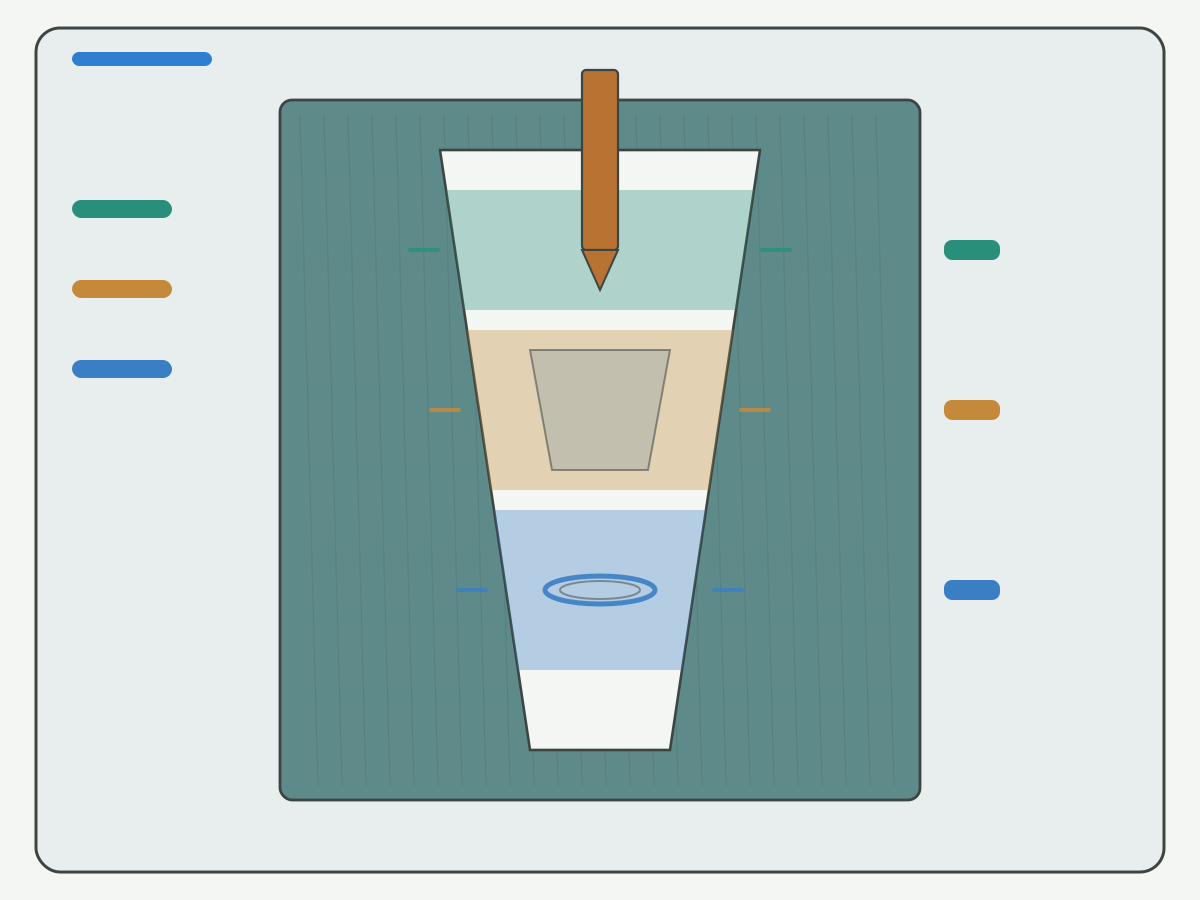
Schematic illustration: boundaries only, not a catalogue ranking. Confirm drill-only versus reamer-first intent, useful depth, and gauge method on the drawing before picking a drill.
Toolholding literacy such as this tool holder technology overview supports naming sync tapping beside drill choice. Research society literacy such as this CIRP research portal frames process research boundaries only. Engineering calculator literacy such as this engineering calculators portal helps name engagement math without inventing HC life data.
Gauges, source boundaries, and what charts do not guarantee
NPT acceptance is gauge-driven. A drill size alone does not prove a good joint.
- L1 working gauges: shop literacy often discusses an L1 window within about one turn. Follow the gauge maker and the drawing; do not invent an HC universal turn count.
- Suggested drills are not full-form guarantees: public notes caution that straight-hole drills may not fully form threads over the whole hand-tight length. That is why reamer-first exists as a conditional path.
- Sealant and makeup: leak integrity depends on sealant practice, cleanliness, and wrench makeup. This page publishes neither torque tables nor leak-rate claims.
- Source labels: public chart consensus + verify-before-production. Prefer print + tap maker when web tables disagree.
Fastener mechanics literacy such as this bolt science portal supports naming engagement talk without inventing case counts.
Worked examples (NPT intent gates)
Teaching aids for common intents. Still confirm drawing, sealant or dryseal intent, and maker chart before production.
| Intent example | Callout to lock | Common drill-only starter | Page note |
|---|---|---|---|
| Drill bit size for 1/4 NPT tap | 1/4-18 NPT | 7/16 (0.4375 in) | Public chart consensus; verify maker |
| What size drill bit for 1/4 NPT tap | 1/4-18 NPT | 7/16 (0.4375 in) | Not 1/4-20 UNC; not 0.250 in hole |
| Drill bit size 1/4 NPT | 1/4-18 NPT + path | 7/16 or 27/64 if reamer-first | Name reamer yes/no on traveler |
| 1/8 NPT tap drill | 1/8-27 NPT | R (0.3390 in) | Conditional neighbor row |
| 1/2 NPT tap drill | 1/2-14 NPT | 23/32 (0.7188 in) | Charts may list 45/64; prefer print |
| NPT vs 1/4-20 hole | Family first | NPT ≠ UNC drill | Send UNC to live 1/4-20 page |
| Reamer before 1/4 NPT tap | Same callout + reamer | 27/64 (0.4219 in) | Do not keep 7/16 on reamer path |
| Clearance for a bolt (not NPT) | Clearance fit class | Not an NPT tap drill | Bolt clearance hole chart (not NPT prep) |
Source boundary: same public NPT chart families (1/4 → 7/16 drill-only; 1/4 → 27/64 with reamer). Live sister for straight #10 machine screws: 10-32 tap drill size. Sister clearance guide (not NPT prep): bolt clearance hole chart.
| Boundary | Lock on the sheet | Fail signal | Do not invent |
|---|---|---|---|
| Family / taper | NPT + 1:16 | UNC drill or NPS free swap | Fake "universal pipe drill" |
| Size / TPI / OD | Nominal + TPI; OD for ID only | 0.250 in hole for 1/4 NPT | Fake OD-as-drill rule |
| Drill path | Drill-only vs reamer-first | 7/16 kept after reamer callout | Life % from path choice |
| Depth / gauge | Useful length + L1 method | Gauge fail or bottoming break | Fake strength % as HC data |
| Sealant / dryseal | NPT vs NPTF note | Leak after wrong family | Price or ROI from sealant |
| Material / hole type | Grade, blind/through, unused depth | Torn crests, chip pack | Case counts from grade slang |
Procurement checklist (RFQ inputs)
Send what you know. Leave life, price, and unverified cycle-time blank. Do not invent an unconditional best-drill ranking.
- Drawing revision and NPT callout (size, TPI if known; not UNC/UNF or NPTF unless intended).
- Drill-only versus reamer-then-tap path.
- Proposed drill with units (1/4 NPT: 7/16 / 0.4375 in, or 27/64 if reamer-first) and chart family.
- Useful depth intent, unused depth, and L1 / acceptance method.
- Sealant / tape or dryseal note per print.
- Material grade/condition and coolant intent.
- Blind versus through, interruptions, thin walls.
- Sync / holder / stick-out notes if known; identifiers for repeats.
Browse taps and carbide drill bits. For straight-thread mills see thread mills. Open custom cutting tool RFQ when ready.
Confirm the specification with engineering support
Before ramp, confirm NPT (not UNC/UNF, not a free NPS swap), size and TPI, drill-only versus reamer-first, prep-hole with units, useful depth and L1 intent, sealant or dryseal note, material, hole type, and acceptance method. Hand the package for a matched pipe tap and drill recommendation. HENTRY / HC supports drawing-based proposals. No price, MOQ, or unverified lead time is stated here.
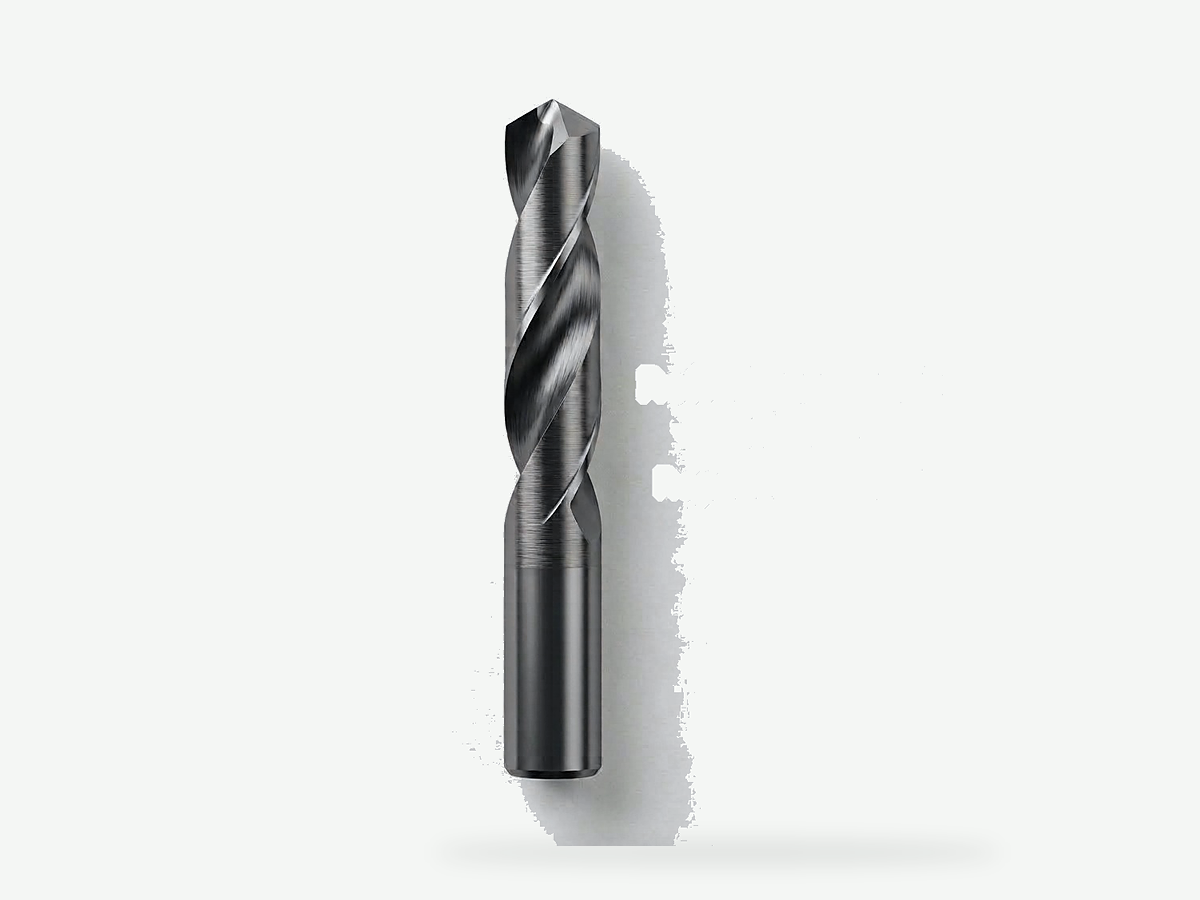
Specification fields to confirm
- Proposed pipe tap model or drawing and matching drill designation (7/16 or 27/64 for 1/4 NPT paths, or other size from the chart).
- Thread callout: NPT size, TPI if known; reject UNC mix-ups and unmarked dryseal swaps.
- Drill-only versus reamer-first path.
- Useful depth / unused depth and L1 gauge method.
- Sealant practice or NPTF note per print.
- Material grade / condition and coolant mode.
- Blind / through, interruptions, thin walls.
- Machine sync / holder / stick-out notes if known.
- Inspection and sample acceptance expectations.
- Identifiers needed for repeat orders.
Trial plan (minimum)
- Same drawing revision and acceptance criteria as the checklist.
- First-off record of torque feel, chip signal, L1 gauge result, and hole size before compensation edits.
- Change one variable at a time when comparing drill-only versus reamer-first under the same material and acceptance intent.
- Stop when torque grows abnormally, crests look incomplete, gauges fail, or the tap breaks.
- Do not claim a drill size "won" without those controls.
Review constructions: explore taps · explore carbide drill bits · explore thread mills. Tooling resource literacy such as this tooling resources overview supports industry literacy only.
Request an NPT tap / drill recommendation
Suggested enquiry subject: NPT tap drill - [size] - [reamer yes/no] - [material] - [blind/through] - [drill size]
NPT Tap Drill Sizes FAQ
What size drill bit for a 1/4 NPT tap?
For a cut 1/4-18 NPT pipe tap without a taper reamer, published NPT charts commonly list a 7/16 inch drill (0.4375 inch). If the process uses a 1:16 taper pipe reamer before tapping, public practice often uses 27/64 inch instead. Confirm the print, material, sealant or dryseal intent, and the tap maker chart. This answer is chart consensus, not an HC measured life or strength percentage.
Is 1/4 NPT the same as drilling a 1/4 inch hole or using a 1/4-20 tap drill?
No. The 1/4 in 1/4 NPT is a nominal pipe size. The matching pipe outside diameter is about 0.540 inch, and the common drill-only prep is 7/16 inch. A 1/4-20 UNC tap drill belongs to straight machine-screw geometry and must not be reused as NPT prep.
What is the taper on NPT threads?
NPT uses a 1:16 taper on diameter, about 3/4 inch per foot, with a half-angle near 1 degree 47 minutes. That is why a straight drilled hole is a compromise against a tapered tap and why useful thread length and L1 gauges matter more than a single diameter slogan.
Do I need a taper pipe reamer before tapping NPT?
Not always. Many shops drill and tap directly with the larger chart drill (7/16 for 1/4 NPT). Reamer-first with a smaller drill (27/64 for 1/4 NPT) is a conditional path when fuller thread form over more of the useful length is required or when the material makes the tap work too hard. Name the path; do not mix the two drills.
Can I use the same drill for NPTF dryseal threads?
Not as a free swap. Dryseal NPTF is a related but distinct series with different crest and root intent and its own gauges. If the print says NPTF, use the dryseal chart and acceptance method. This page OWN stays on general-purpose NPT literacy.
Is a bolt clearance hole the same as an NPT tap drill?
No. An NPT tap drill leaves material so the pipe tap can cut the tapered internal thread. A bolt clearance hole is intentionally larger so a screw or bolt shank passes without engaging threads in that plate. Do not treat clearance sizes as NPT prep. A dedicated clearance-hole chart will cover fit classes after it publishes.
Which inputs should I send in an RFQ for NPT tap drill selection?
Send drawing revision, NPT size and TPI if known, drill-only versus reamer-first, proposed drill size with units, useful depth and unused depth, L1 or other gauge method, sealant or dryseal note, material and coolant intent, blind versus through notes, and trial notes. Leave unverified life and price fields blank.
When does this page not apply?
It does not apply when you need invented life percentages, prices, ROI, or unverified case counts; when you need an unconditional best-drill ranking; when you need a UNC/UNF encyclopedia instead of the NPT OWN; when you need a dedicated clearance-hole book; when you need a full BSP/ISO pipe encyclopedia; when you treat 1/4 NPT as a 0.250 inch hole or as 1/4-20 UNC; or when size, path, depth, gauge, and sealant notes are missing. Fix the inputs first.
Sources and related guides
Outbound references support NPT taper-pipe naming, public NPT tap-drill chart literacy, tapping and threading education, metrology and units portals, toolholding and cutting-data literacy, and manufacturing research portals cited in the body. Manufacturer-specific tap drill charts remain tied to their own products. The decision walkthrough is an HC editorial teaching aid, not a measured customer result. Sources checked 24 October 2026 (Asia/Shanghai).
- Codes and standards portal (public standards entry; linked in body)
- NPT taper pipe thread overview (third-party engineering reference; linked in body)
- Pipe thread types overview (third-party distributor education; linked in body)
- 1/4 NPT dimensions and tap drill note (third-party reference; linked in body)
- NPT thread chart overview (third-party reference; linked in body)
- Tap drill chart sizes overview (third-party education; linked in body)
- CNC threading and tapping overview (third-party education; linked in body)
- Tap drill sizes help page (third-party distributor education; linked in body)
- UNC UNF and metric tap drill chart (third-party reference; linked in body)
- Tap drill reference table (third-party reference; linked in body)
- Threading knowledge overview (third-party education; linked in body)
- Tapping knowledge overview (third-party education; linked in body)
- Public metrology laboratory entry (public metrology entry; linked in body)
- Weights and measures overview (public metrology entry; linked in body)
- NIST SP 811 units guidance (public metrology entry; linked in body)
- Weights and measures program overview (public metrology entry; linked in body)
- National standards overview (public standards entry; linked in body)
- Engineering calculators portal (third-party tooling education; linked in body)
- Tool holder technology overview (third-party education; linked in body)
- CIRP research portal (third-party research society; linked in body)
- Bolt science portal (third-party fastener mechanics literacy; linked in body)
- Tooling resources overview (third-party tooling literacy; linked in body)
Related live guides: tap drill size chart · 1/4-20 tap drill size · 5/16 tap drill size · 10-32 tap drill size · form tap vs cut tap · thread milling vs tapping aluminum · precision holemaking selection guide · taps · carbide drill bits · thread mills · Knowledge hub · custom cutting tool RFQ. Also live: 10-32 tap drill size · bolt clearance hole chart.