
Quick answer
Axial forming teeth are not the same as circumferential flutes. Compare single-form, triple-tooth, and multi-form thread mills by how many axial teeth engage the pitch, which pitches one body can cover, and how much usable reach remains after neck and holder clearance. Pick the family by batch size and acceptance method, not by a nickname. This page is an axial-tooth slice; the full selection matrix sits on the live selection guide, and programming detail is out of scope here.
Process engineers often mix two catalog numbers that look similar: flute count around the circumference, and how many full thread profiles sit along the axis. That mix-up sends the wrong family into a first-article packet. This Knowledge page owns the axial-tooth compare for single-form, triple-tooth, and multi-form thread mills. It does not replace the cluster hub or the full selection matrix. Start with the thread milling guide for navigation, then use the thread mill selection guide when you need the broader matrix. Aluminum mill-versus-tap tradeoffs stay on the sibling thread milling vs tapping aluminum guide. Product geometry and inquiry live on the thread mill product page.
Jump: Axial teeth vs flutes · Single form · Triple tooth · Multi form · Pitch and reach · Batch and acceptance · Confirm · FAQ · Sources
Separate axial teeth from flutes
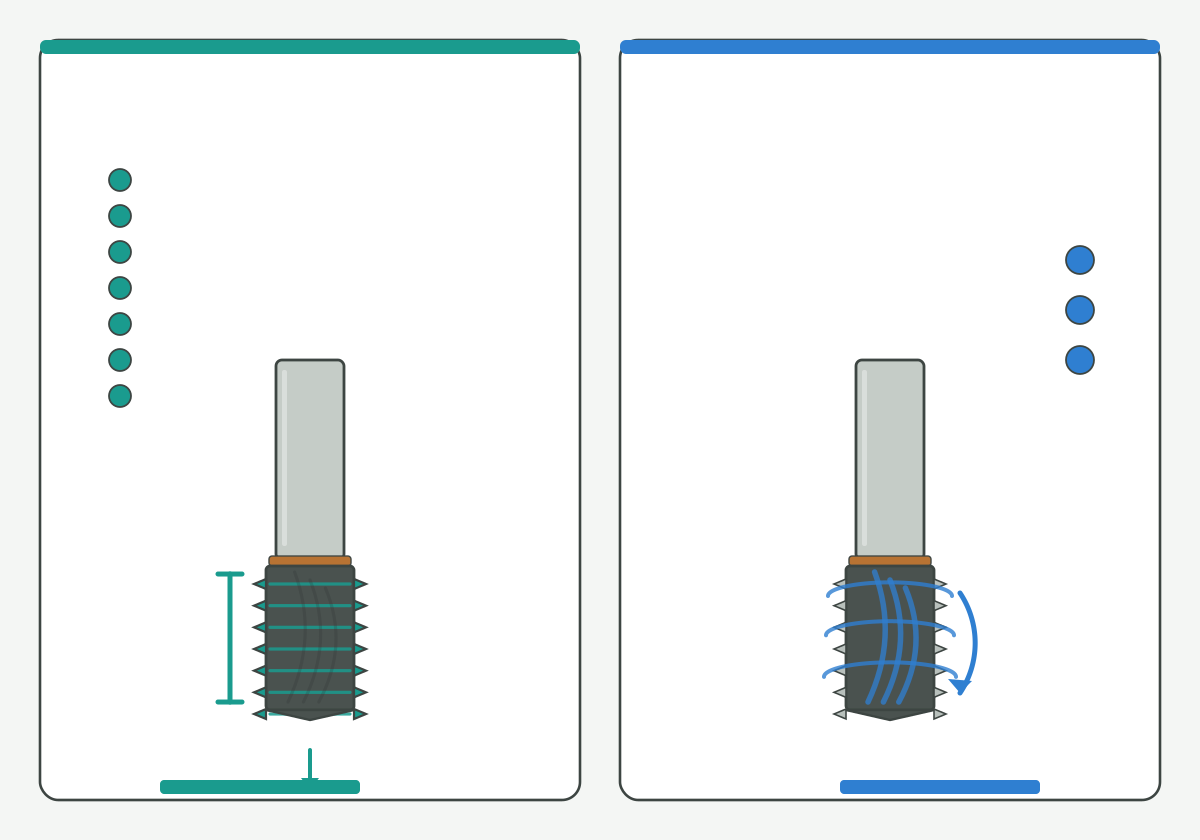
Illustration schematic: axial forming teeth versus circumferential flutes - not a catalog claim or ranked family photo. FIG1 md5 67eb8f22…
Write two separate fields on the traveler before you open a catalog:
- Axial forming teeth: how many complete thread profiles sit along the cutting length that can engage pitch in one radial engagement band.
- Circumferential flutes: how many chip channels wrap around the diameter and affect chip space, stiffness, and simultaneous cutting edges in the orbit.
A tool can have many flutes and still be single-form on the axis. A multi-form body can still use a modest flute count. Mixing the two fields is how teams order a "multi" nickname when they only needed more chip space, or a "single" nickname when they needed wider pitch coverage. Public threading literacy such as this threading knowledge overview and this thread milling process overview helps name helical thread generation without inventing an HENTRY pitch table. Milling process literacy such as this milling process overview supports orbit and chip-path language.
Catalog symbols for axial tooth count vary by maker. When the drawing or quote sheet uses an unconfirmed symbol for single, triple, or multi-form, mark that field [NEEDS VERIFICATION] and ask application engineering before you freeze the traveler. Do not copy a competitor code string into an HENTRY RFQ field as if it were a measured HENTRY standard.
Start here: if the full thread callout is known but the axial family is not, stay on this page. If you already need the full material / depth / holder matrix, open the selection guide. Soft note (guide forthcoming, no empty hard link): usable reach and neck clearance depth will sit on a dedicated reach page when published; pass-strategy depth will sit on a dedicated pass-strategy page when published.
Compare single form geometry
A single-form thread mill carries one axial thread profile that generates the full pitch as the machine advances one pitch per revolution of the helical path (or an equivalent programmed helix). Geometry intent: one profile, clear pitch ownership, and usually the simplest story for first-article size compensation.
Use single-form when:
- the pitch is fixed and known, and you do not need one body to cover a wide pitch band;
- you want a clean radial compensation story for go / no-go or optical flank checks;
- depth is limited and you must keep axial engagement short so chips and coolant can leave;
- the batch is mixed or the drawing still changes, so one dedicated pitch tool is easier to retire or revise than a multi-pitch body.
Single-form does not automatically mean "always slower" or "always safer." Cycle time depends on passes, helix, and machine dynamics that this page does not own. Keep pass count and feed strategy on the traveler as open fields; do not invent a percentage cycle-time claim. Toolholding literacy such as this tool-holder interface overview and this toolholding tips overview helps name runout and projection checks that still apply to a single-form body.
Compare triple tooth geometry
A triple-tooth (three axial tooth) thread mill places three forming profiles along the axis. Geometry intent: more axial engagement per orbit band than single-form, while still keeping a countable tooth story that shops can inspect and explain on a traveler.
Review triple-tooth when:
- the pitch and depth allow three profiles to share the load without trapping chips between teeth;
- you want fewer axial passes than a pure single-form plan on a stable through or shallow blind feature;
- acceptance still needs clear flank control, and three teeth are easier to inspect than a long multi-form stack.
Triple-tooth is not a free upgrade from single-form. Extra axial teeth raise chip volume in the engagement band and can demand more coolant path and more careful entry. If the hole is deep, interrupted, or poorly washed, stop and write chip and coolant evidence before you promote the family. Coolant concentration literacy such as this coolant concentration measurement method supports fluid-control language without inventing an HENTRY pressure guarantee. Tapping literacy such as this tapping knowledge overview is useful only as a contrast: thread milling still owns pitch with the program, not with tap lead geometry.
Hypothetical teaching note (not a verified HC customer case): for one nominal metric coarse pitch on a short through boss, a shop might list single-form when first-article compensation is the priority, or triple-tooth when the same pitch is stable and the traveler already shows controlled chips. Neither row is a measured HENTRY result.
Compare multi form geometry
A multi-form thread mill stacks more than three axial profiles (count varies by design) so one body can generate threads across a declared pitch band or reduce axial passes on a long engagement. Geometry intent: pitch coverage and productivity on stable, repeated callouts - not a universal "faster" badge.
Review multi-form when:
- the traveler lists a pitch range the body is allowed to cover, and that range is written from a confirmed catalog or drawing note;
- batch size and acceptance method are stable enough that one multi-form body will not fight frequent pitch revisions;
- usable reach still clears the neck, holder, and feature after the longer cutting length is accounted for.
Do not treat multi-form as automatically cheaper per accepted part. Acquisition, spare policy, and how you retire a worn multi-pitch body all change the economics. Keep those fields blank until plant data exists. Public thread-milling product literacy such as this thread milling resource overview, this thread milling cutter overview, and this thread milling article overview helps name family language without migrating brand pitch tables into this page. Threading article literacy such as this threading article overview and tool-family literacy such as this threading tools overview and this thread milling tools overview stay neutral discovery aids.
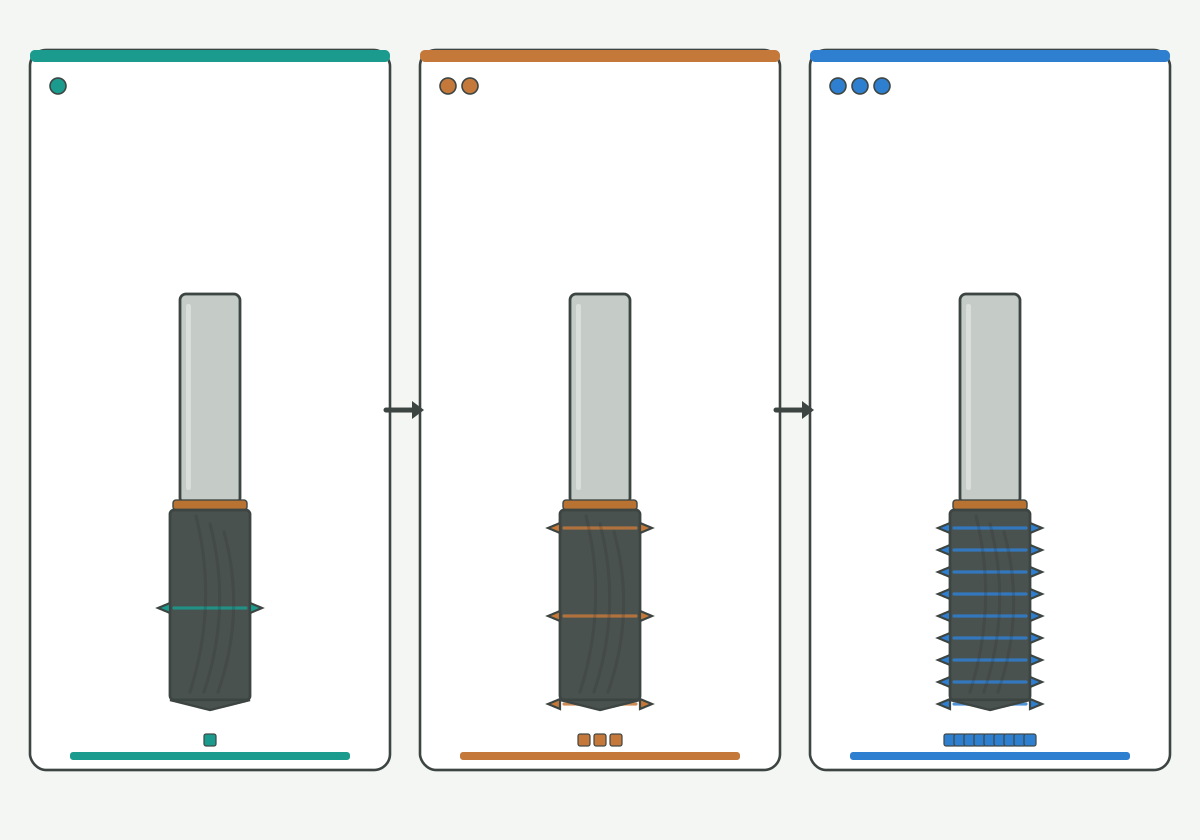
Illustration schematic: single-form versus triple-tooth versus multi-form axial geometry - unique gain three-panel; not a ranked catalog or life claim. FIG2 md5 16108082…
Check pitch coverage and usable reach
Before you freeze a family, write pitch coverage and usable reach as two separate checks. Pitch coverage is which pitches one body is allowed to cut under the maker note or drawing. Usable reach is how much of the cutting length can actually enter the feature after neck diameter, holder projection, and collision clearance are subtracted.
Conditional pitch-coverage worksheet (fill with confirmed catalog or drawing values; leave blank if unknown; size words stay in the table, not as separate URLs):
| Field | What you write | If missing |
|---|---|---|
| Thread system | Metric coarse/fine, UNC/UNF, or other named system on the print | Stop; do not guess from a nickname |
| Nominal / pitch | Exact callout (for example M8×1.25 or 1/4-20 UNC) | Mark incomplete; keep RFQ open |
| Axial family | Single-form / triple-tooth / multi-form | Stay on this page until chosen |
| Pitch coverage note | Confirmed pitch band for that body [NEEDS VERIFICATION] if unconfirmed | Do not invent a table from memory |
| Cutting length L | Catalog or drawing cutting length | Do not assume equals usable reach |
| Neck / holder projection | Clearance stack that shortens usable engagement | Soft note: dedicated reach guide forthcoming |
| Usable reach | L minus clearance stack under your fixture sketch | Stop before first article |
Standards and metrology literacy such as this codes and standards portal, this national standards overview, this international standards catalogue entry, this screw-thread handbook reference, this public metrology laboratory entry, and this units and measurement guidance support naming systems and units without publishing an HENTRY class matrix. Soft note: a dedicated reach and neck-clearance Knowledge page is forthcoming; until it is live, keep reach math on this traveler table and do not hang an empty hard link.
Hypothetical teaching note (not a verified HC customer case): if two candidate bodies both claim the same nominal pitch, but only one lists a verified pitch band and a usable-reach sketch, keep the incomplete candidate on hold. Missing usable-reach definition is a stop, not a reason to average two catalog nicknames.
Select by batch and acceptance needs
Axial family choice closes only after batch and acceptance are written next to geometry:
- Prototype / mixed batch: prefer single-form (or the smallest axial stack that still makes the pitch) so compensation and retirement stay simple.
- Stable repeat batch: triple-tooth or multi-form may earn review when pitch coverage and chip control are already evidenced.
- Acceptance method: go / no-go, optical flank, or pitch micrometer each change how you judge a multi-form wear pattern. Geometry-inspection literacy such as this tool geometry inspection equipment overview helps name inspection language.
- Stop conditions: list what retires the tool (flank wear, size drift, chipped tooth, chip weld) before the lot starts. Regrind literacy such as this regrind inspection and economic review overview supports service talk without inventing life percentages.
Procurement checklist (fields may stay blank; blank is better than invented digits):
- axial family (single / triple / multi-form);
- thread system and pitch (or confirmed pitch band);
- usable reach and neck clearance sketch;
- material family and blank condition;
- batch size and revision stability;
- acceptance gauges and first-article rule;
- holder, projection, and runout method;
- coolant route and chip-exit note;
- spare-tool and regrind expectation.
Machining research literacy such as this peer-reviewed machining research journal overview, this machining process and tool development research overview, this machining data literacy portal, and substrate blank literacy such as this carbide rod blank portfolio overview keep method language tied to public sources. Soft note: pass-strategy detail is forthcoming on a dedicated page; do not treat this checklist as a full CAM program.
How HENTRY supports the axial-family decision
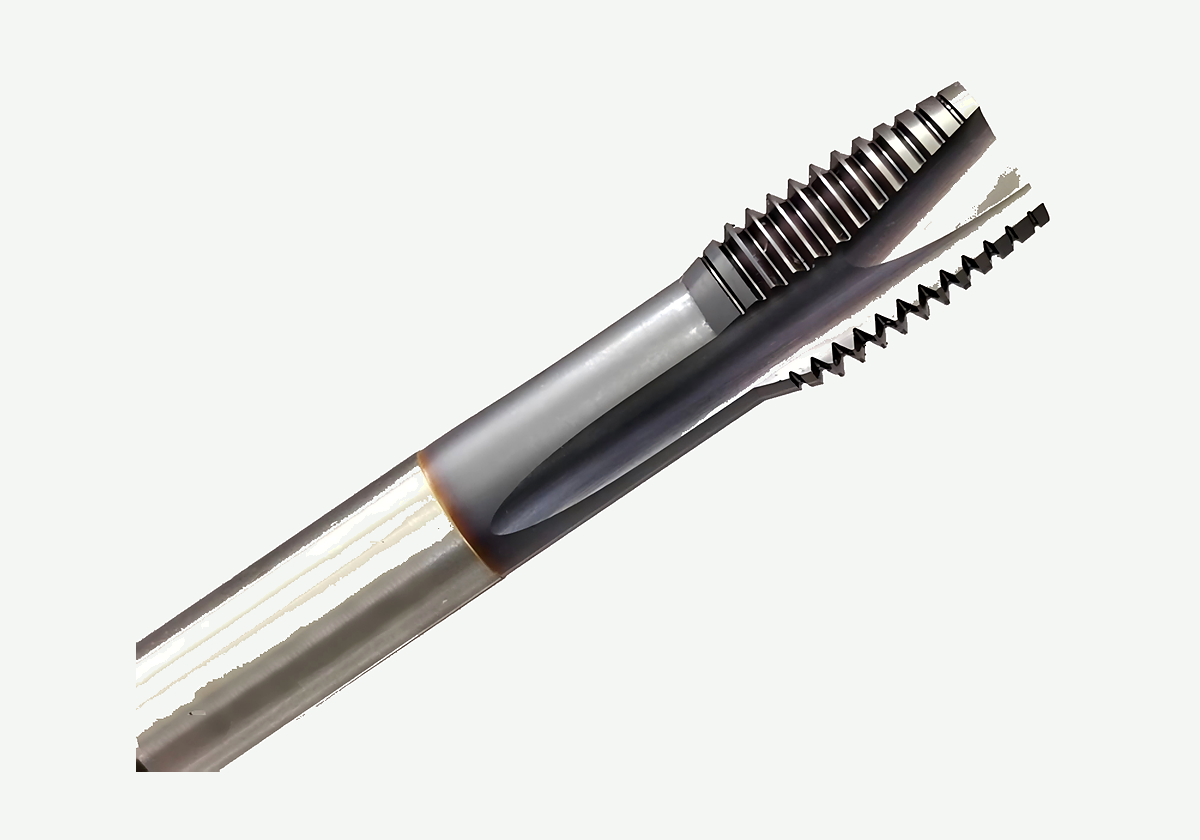
Product rematte of tip, flutes, and shank on a thread-mill body - not a ranked catalog or life claim.
HENTRY manufactures drawing-based cutting tools, including solid carbide thread mills. When axial family, pitch coverage, and usable reach are written - even with blank fields - you can move from this Knowledge slice to a product review instead of another nickname search. International metrology literacy such as this international metrology portal keeps unit language honest on the RFQ. Public threading-resource literacy such as this threading resources hub remains a discovery aid only; do not migrate brand parameters into an HENTRY proposal.
Next action: Request a matched thread mill proposal. When the controlled drawing and traveler fields are ready to send, open the custom cutting tool RFQ. Quotation turnaround after complete drawings is typically 1-2 working days for engineering review, not a promise of unvalidated cutting data.
Single-form vs multi-form thread mill FAQ
What is the difference between axial teeth and flutes on a thread mill?
Axial teeth are the forming profiles stacked along the cutting length that engage pitch. Flutes are the chip channels around the circumference. A tool can have many flutes and still be single-form on the axis. Write both fields separately on the traveler before you order.
When should I choose a single-form thread mill?
Choose single-form when the pitch is fixed, first-article size compensation must stay simple, depth or chip exit limits axial engagement, or the drawing still changes often. Single-form is a geometry and control choice, not an automatic claim that the cycle is always slower or safer.
How do I read multi-form pitch coverage?
Read the maker or drawing note for the pitches that one body is allowed to cut. Put that band on the traveler next to usable reach. If the band is missing or unconfirmed, mark the field for verification and do not invent a coverage table from memory.
What if usable reach is not defined on the quote?
Stop before first article. Cutting length on a catalog line is not the same as usable reach after neck, holder, and fixture clearance. Sketch the stack, leave incomplete fields blank, and ask application engineering rather than averaging two nicknames.
How can I request a matched tool without a final catalog code?
Send the thread callout, axial family preference if known, material family, depth and access sketch, acceptance method, and batch note. Leave unknown fields blank. A matched proposal can start from those fields without a frozen SKU nickname.
Sources and related guides
Authoritative literacy (neutral anchors; discovery only; not HENTRY catalog limits or life claims). Link check Asia/Shanghai 2026-10-31:
- threading knowledge overview
- thread milling process overview
- milling process overview
- tapping knowledge overview
- thread milling resource overview
- thread milling cutter overview
- threading resources hub
- thread milling article overview
- threading article overview
- threading tools overview
- thread milling tools overview
- tool-holder interface overview
- toolholding tips overview
- coolant concentration measurement method
- tool geometry inspection equipment overview
- screw-thread handbook reference
- units and measurement guidance
- codes and standards portal
- national standards overview
- international standards catalogue entry
- public metrology laboratory entry
- international metrology portal
- peer-reviewed machining research journal overview
- machining process and tool development research overview
- machining data literacy portal
- regrind inspection and economic review overview
- carbide rod blank portfolio overview
Related live pages: thread milling guide · thread mill selection guide · thread milling vs tapping aluminum · thread mill product page. Soft note only (no empty hard links): reach / neck clearance and pass-strategy Knowledge pages are forthcoming.
When the axial family and traveler fields are ready, Request a matched thread mill proposal.