
Search results for cobalt versus carbide drill bits often mix coating brand pages, HSS catalog sheets, and solid carbide family pages on one screen. Process engineers then open several tabs and still lack a single place to separate substrate from coating, compare HSS, cobalt HSS, and carbide on one traveler, then decide tipped versus solid structure before they chase a coating grade.
HENTRY publishes this guide as a materials-selection page for drill bit substrates. You walk substrate versus coating, then an HSS, cobalt HSS, and carbide comparison checklist, then tipped versus solid structure, then hardness and machine-rigidity inputs, then a sample-validation boundary that routes to live carbide product families. The page does not host a fake HSS or cobalt stock matrix, a coating encyclopedia, or unverified life claims. Product families and buy-select geometry belong on the carbide-drill-bits and solid-carbide-drill product pages; coating depth belongs on the coatings guide; here you finish material checks before you request a tooling review.
Substrate vs coating jumps to the base-versus-surface checklist. Compare materials opens the HSS, cobalt, and carbide comparison. Product path opens the live family routing and RFQ field list.
Separate substrate from coating first. Then compare HSS, cobalt HSS, and carbide on hardness, rigidity, and wear. Decide tipped versus solid structure before you chase coating grades. Match material to workpiece hardness and machine stiffness, then prove the choice on a sample. Product families live on carbide-drill-bits and solid-carbide-drill pages; coatings detail sits on the coatings guide. This page finishes material checks before you request a tooling review.
Substrate vs Coating: What Each Job Does
Use the substrate-versus-coating checklist below as a shop-dependent routing aid, not as a guarantee of tool life, surface finish, or a fixed HENTRY stock catalog. Typical industry groups help you ask better questions; blank cells stay blank until application engineering confirms them for your material, machine, and drawing.
| Layer | What it mainly sets | What to lock on the traveler | Leave blank if unknown |
|---|---|---|---|
| Substrate (base material) | Core hardness, toughness tendency, stiffness under load, edge-break risk floor | HSS, cobalt HSS, or carbide group; tipped vs solid build | Yes; confirm with application engineering |
| Coating (surface film) | Friction, heat, adhesion, and wear-tendency shifts as industry practice | Coating family only after substrate path is named | Yes; deep grades belong on the coatings guide |
| Geometry / coolant / holder | Chip evacuation, heat path, runout sensitivity | Shank, flute length class, coolant style, holder rigidity | Yes |
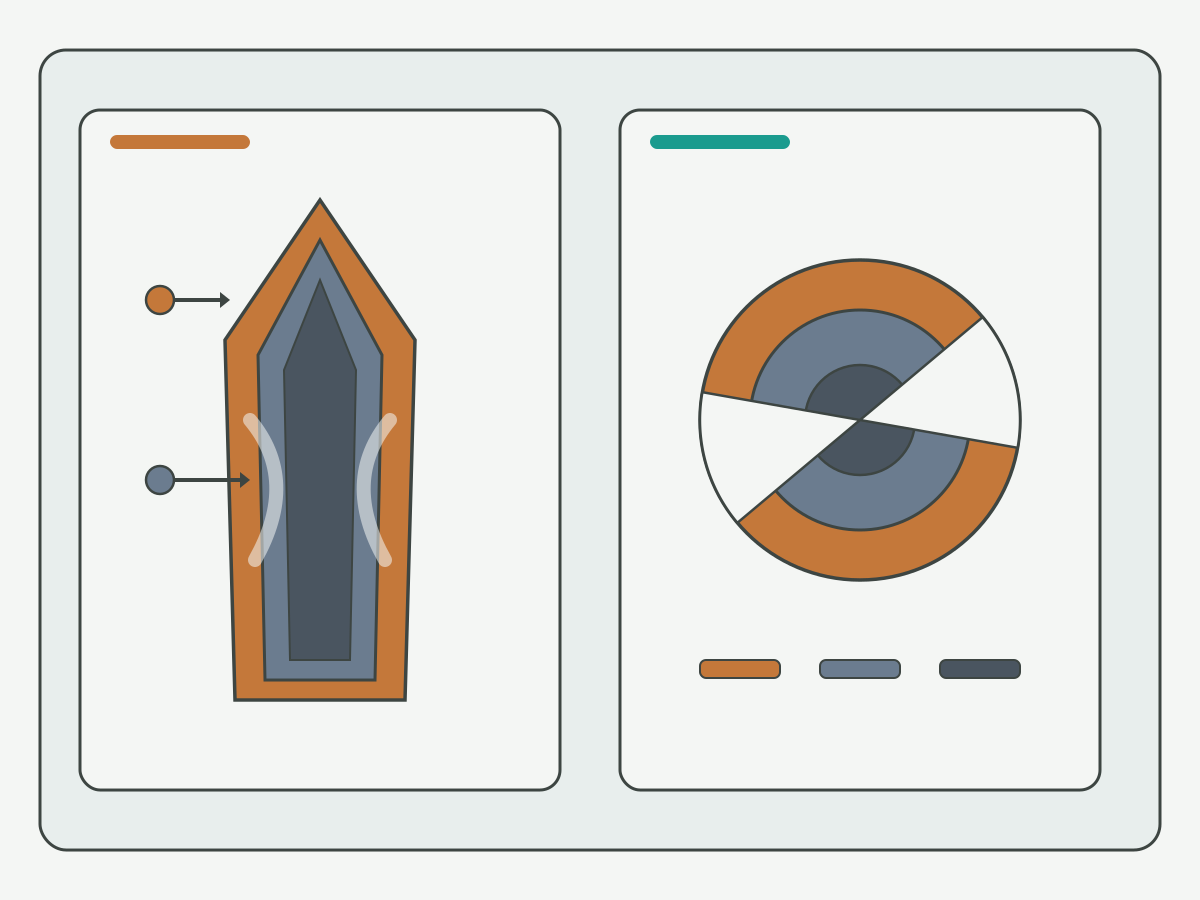
Substrate is the structural core of the drill. It sets how stiff the tool feels under thrust, how the edge resists chipping or bending, and how much heat the body can carry before the cutting edge softens. Coating is a thin surface film applied on top of that core. It can shift friction, heat at the rake, adhesion to the workpiece, and wear tendency in industry practice, but it does not replace a substrate that is already too soft or too brittle for the setup.
A common confusion is to treat a coating nickname as a full materials upgrade. TiN, TiAlN, AlCrN, and similar industry groups are surface systems. If the traveler still shows the wrong substrate group, or a tipped edge on a setup that needs a solid carbide body, chasing a coating grade alone rarely closes the gap. Write substrate first, then structure, then coating class.
Coating depth, grade tables, and process detail belong on the live drill bit coatings explained guide. This materials hub only names the substrate-versus-coating split and points there once. Keep full coating encyclopedias off this page so buyers do not mix a film choice with a base-material choice.
Shop-dependent results still need application engineering confirm before you treat any substrate path as locked. Coolant delivery, holder rigidity, spindle condition, and workpiece hardness band move the same substrate into different outcomes. Keep those setup notes beside the checklist rather than treating a material nickname as a stock promise.
HSS, Cobalt HSS & Carbide Compared
When substrate is named as the first decision, compare HSS, cobalt HSS, and carbide on one traveler. Use checklist language, not a permanent ranking that claims one material always wins.
| Factor | HSS (tendency) | Cobalt HSS (M35/M42 as industry groups) | Carbide (WC-Co as group) | Leave blank if unknown |
|---|---|---|---|---|
| Hardness / wear floor | Lower floor; fine for many general steels and softer jobs | Higher wear and hot-hardness tendency than plain HSS | Highest hardness and wear floor among the three groups | Yes |
| Toughness / chip-out risk | Often more forgiving under shock or imperfect clamp | Still HSS-family toughness; not a carbide substitute | More sensitive to shock, runout, and weak holders | Yes |
| Hot hardness / speed window | Limited when heat at the edge rises | Better hot-hardness tendency than plain HSS | Supports higher speed windows when the setup is rigid | Yes; confirm with engineering |
| Rigidity / runout sensitivity | Often used when machines or holders are less stiff | Similar family sensitivity to HSS, with higher wear demand | Needs stiff machines, good holders, and controlled runout | Yes |
| Cost / changeover tendency | Often lower piece cost; regrind logistics already familiar | Higher than plain HSS; still steel-body logistics | Higher piece cost; edge economy depends on life and regrind path | Yes; no price claims here |
HSS remains a common general-purpose path when toughness, imperfect clamping, or moderate speeds dominate the traveler. It is still a steel-family substrate. Do not read an HSS row as an HENTRY stock catalog. This guide teaches the material class only.
Cobalt HSS, often discussed under M35 or M42 industry groups, sits inside the HSS family with a higher hot-hardness and wear tendency than plain HSS. It is not carbide. Buyers who ask whether HSS is better than cobalt usually need a job-specific answer: cobalt HSS can help when heat and wear dominate a steel-body path, while plain HSS can still fit softer, lower-speed, or more shock-tolerant jobs. Absolute winners stay off this page.
Carbide, as a WC-Co group, raises hardness and wear floor and supports higher speed windows when the machine and holder are stiff enough. It also raises sensitivity to runout, chatter, and weak clamping. Carbide is the main live product path on this site through carbide drill families and solid carbide drills. HSS and cobalt paths stay material-teaching language here; HENTRY does not publish a live HSS or cobalt drill catalog on this page, so those options route through application review when a steel-body path is still preferred.
This comparison does not invent life multipliers, cost percentages, or stock SKUs. If a prove-out window is required, it belongs on an approved process sheet after engineering confirm, not as a permanent claim in this Knowledge body.
Carbide-Tipped vs Solid Carbide Structure
After the material group is named, lock structure. Carbide-tipped and solid carbide are different builds inside the carbide conversation, not synonyms.
| Build | What it is | Tendency notes | What to lock |
|---|---|---|---|
| Carbide-tipped | Carbide cutting edge joined to a steel body | Often used when toughness of the body and edge economy both matter | Tip join style, body steel class, regrind boundary |
| Solid carbide | One-piece carbide drill from tip through shank region | Often preferred for rigidity, small diameters, and higher-speed windows | Shank style, flute length, coolant holes, regrind boundary |
Carbide-tipped drills place a hard edge on a tougher steel body. That split can help when the shop wants carbide wear at the edge without committing every millimeter of the tool to carbide. Joint quality, tip geometry, and regrind limits still belong on the traveler. A tipped build is not automatically cheaper or longer-lived; write the join and regrind notes rather than inventing a life claim.
Solid carbide drills keep the edge and the body as one carbide piece. Industry practice often points solid carbide toward higher rigidity demand, smaller diameters, tighter hole classes, and speed windows that punish steel-body deflection. Coolant holes, shank style, and flute length class still need to be named before you treat a solid carbide nickname as locked.
Checklist fields that usually matter for either build include shank interface, flute length class, through-coolant presence, point style, and regrind boundary. Leave unknown cells blank. Structure choice here feeds the product path later; it does not replace family geometry on the product pages.
Select by Workpiece Hardness & Machine Rigidity
Material group and structure only close when workpiece hardness and machine rigidity sit on the same traveler. Use input classes, not absolute hardness guarantees.
| Input class | What to write | Tendency path notes | Leave blank if unknown |
|---|---|---|---|
| Soft steel / aluminum band | Material family and hardness band if known | HSS or cobalt HSS may still appear; carbide often for volume or hole class | Yes |
| Stainless / work-hardening band | Grade family, hardness band, coolant practice | Carbide paths common when heat and work-hardening dominate | Yes; confirm with engineering |
| Hardened / high-hard band | Hardness band and surface condition | Carbide or specialty carbide paths; HSS rarely the first pick | Yes |
| Machine rigidity / holder / runout | Spindle condition, holder type, measured runout if known | Weak setups punish carbide edges; stiff setups unlock carbide windows | Yes |
| Depth / diameter / coolant | Hole diameter, depth ratio, coolant style | Deep holes and coolant limits change structure and family choice | Yes |
Soft steel and aluminum bands often leave room for more than one substrate group. Write the hole class, volume, and finish target before you treat carbide as mandatory or HSS as forbidden. Stainless and work-hardening bands usually raise heat and edge demand; when that path is already preferred, open the live carbide drill for stainless steel product page for family geometry after this checklist. Hardened and high-hard bands usually push away from plain HSS; when that band is locked, open the live carbide drill for hardened steel product page as the product entry, not as a hardness guarantee from this guide.
Machine rigidity, holder quality, and runout decide whether a carbide edge survives the first meters. A stiff machine with a short, well-clamped tool can unlock carbide speed windows that a soft setup cannot. A weak holder or high runout can chip a carbide edge even when the workpiece hardness looks friendly on paper. Write those setup notes as checklist fields.
Depth-to-diameter ratio and coolant style sit beside hardness. Long reaches, poor chip evacuation, and missing through-coolant change both structure and family choice. When a deep-hole carbide path is already preferred after depth and coolant checks, open the live deep hole carbide drill product page for family geometry. This materials hub does not expand gun-drill specialty tables.
None of these input classes publish absolute hardness cutoffs in millimeters or Rockwell guarantees. Confirm shop-dependent cells with application engineering before you lock a substrate path.
Sample-Validation Boundary Before RFQ
When substrate, structure, hardness, and rigidity notes are named, decide whether a sample or trial cut is required before you commit a production package. This section is a boundary map, not a second product catalog.
| Decision after checks | Where to go | What that page owns |
|---|---|---|
| Carbide drill family / buy-select | Live carbide-drill-bits product page | Family overview and purchase selection |
| Solid carbide drill locked | Live solid-carbide-drill product page | Solid carbide family geometry |
| Coating grade still open | Live coatings guide (already linked once above) | Coating depth after substrate is named |
| HSS or cobalt steel-body path | Application review | Material teaching only here; no live HSS/cobalt catalog URL |
| Custom geometry or incomplete acceptance | Custom cutting-tool RFQ | Review package when published series cannot close |
Sample validation is usually skippable when the traveler matches a published series, hardness and rigidity notes are complete, and prior shop practice already covers the same material band. A trial is usually required when hardness is near a boundary, runout or holder quality is unknown, tip versus solid structure is still open, or the acceptance package includes surface or tolerance targets that the catalog sheet does not prove.
Fields that usually speed review include workpiece material and hardness band, hole diameter and depth ratio, coolant style, holder and runout notes, tipped versus solid preference, surface or tolerance targets, quantity or trial window, and whether an HSS or cobalt steel-body alternative remains open. Leave unknown cells blank rather than inventing SKUs or life windows this page does not list.
For the carbide family entry after material checks, use the live carbide drill bits product page. For a solid carbide path after structure locks solid, use the live solid carbide drill product page. Coatings depth stays on the coatings guide already linked once in the substrate section. HSS and cobalt remain material options through application review; this guide does not invent a fake stock page for those classes.
Process Guide vs Product & Deep Pages
Readers sometimes want one page that both teaches drill materials and sells every SKU. On this site that split is intentional. Knowledge pages lock substrate and selection. Product pages carry family geometry and purchase selection after those inputs are clear. Deep Knowledge pages own coatings and other specialty topics.
| Page | What it covers | How to use it with this guide |
|---|---|---|
This guide (/resources/drill-bit-materials-hss-cobalt-carbide) | Substrate vs coating; HSS/cobalt/carbide hub; tipped vs solid; hardness/rigidity; sample boundary | Decide material inputs and RFQ package here |
| Carbide-drill-bits / solid-carbide-drill product pages | Family / buy-select geometry | Use the live product entries already linked in the product-path section |
| Deep Knowledge (coatings and related specialty) | Specialty process detail | Open only the deep page that matches the next question; coatings already linked once |
| Indexable-drills product track | Product page not published yet | Named in text only on this guide; no product link until a live page exists |
Merging materials selection into the product template would force either a catalog dump into this guide or a process essay into the product page. Both fail the split for this URL. Keep selection ownership here, and keep family selection on the product pages already linked above. Indexable drill families are named in text only here, with no product link, until a live indexable-drills page exists.
Related Live Links (Hard Links Only)
Each live page below owns a slice this guide must not dump. Open only the page that matches the next question. Product family and coatings links already appear once in earlier sections; do not repeat those URLs here.
- For flute-length class after substrate and structure are locked, use the stub vs jobber vs long series drills guide. This materials page keeps substrate ownership.
- For wear-mode diagnosis after a material path is already chosen, use the drill wear types guide. Do not treat wear photos as a substitute for substrate selection.
This page does not paste fake HSS or cobalt stock matrices, unverified life claims, or unpublished product URLs into this guide. If a numeric prove-out window is required, it belongs on an approved process sheet after engineering confirm, not as a permanent claim in this Knowledge body.
Evidence Notes and FAQ
Evidence on this page. The substrate-versus-coating checklist, HSS/cobalt/carbide comparison, tipped-versus-solid structure notes, hardness and rigidity inputs, sample-validation boundary, and live product path are the owned artifacts. Schematics are illustrations for classification and setup orientation. Live product and guide links appear once each. No approved customer case package is attached, so no case percentages or life multipliers appear.
What is not claimed. Absolute tool-life guarantees, prices, stock promises, fake HSS or cobalt HENTRY catalogs, absolute hardness cutoffs, and absolute surface-finish guarantees are out of scope. Product specification tables stay on the carbide-drill-bits and solid-carbide-drill product pages. Coating encyclopedias stay on the coatings guide. Unpublished product URLs stay out of this guide.
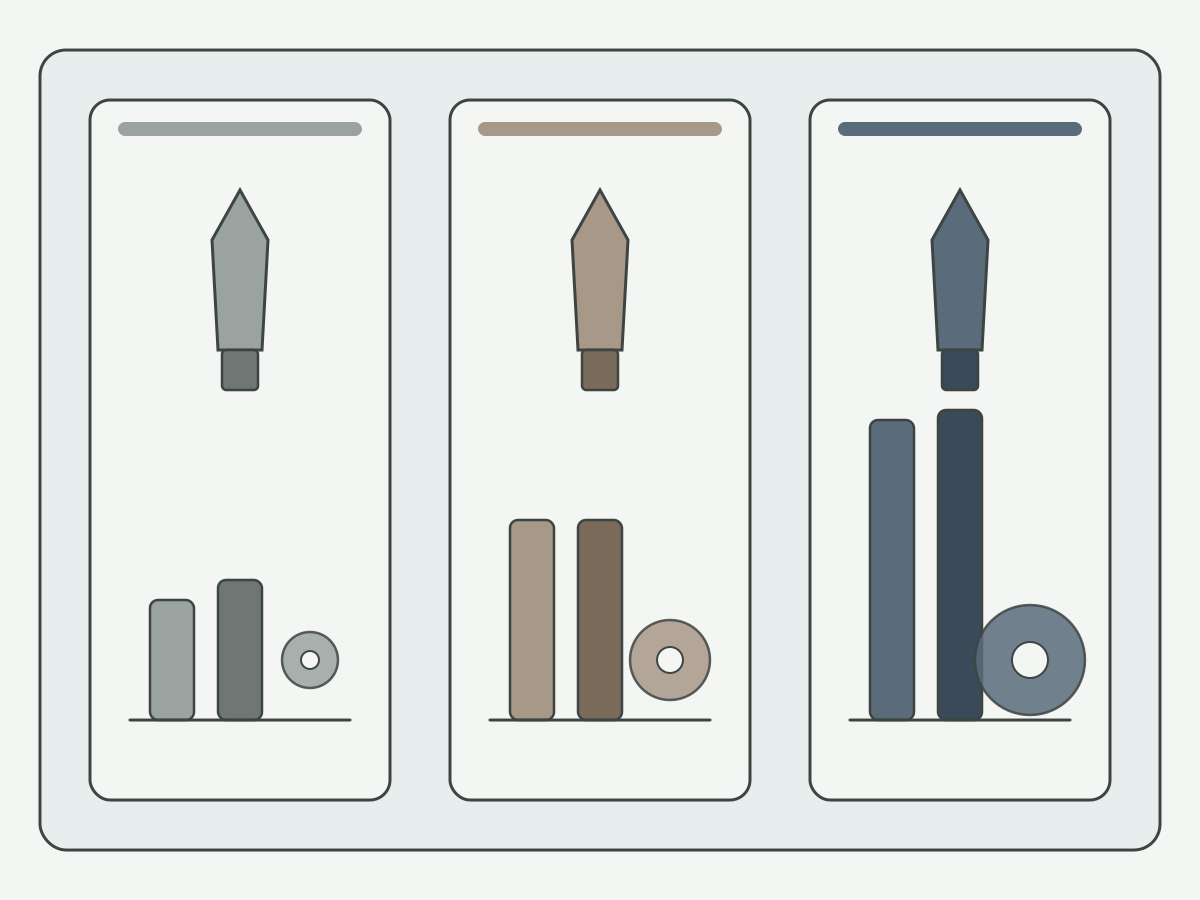
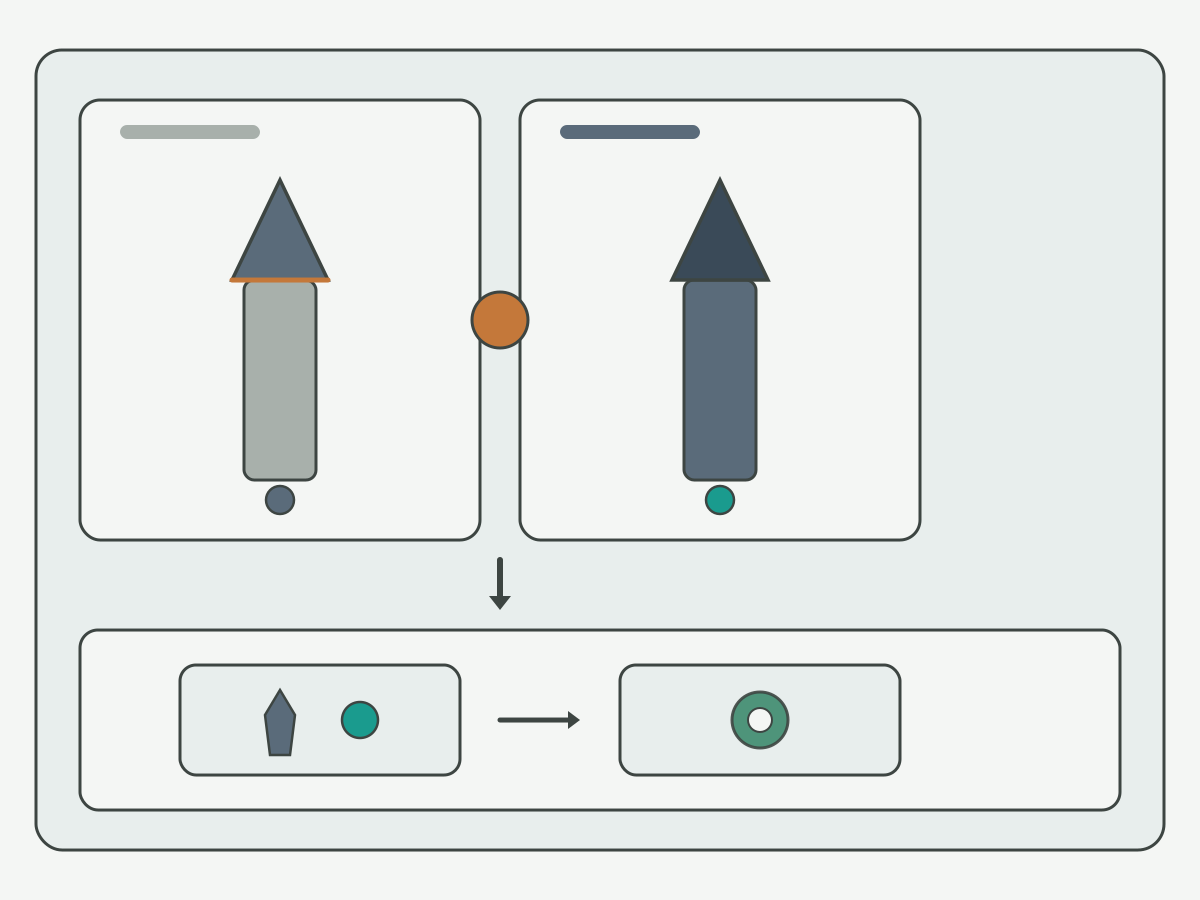
How to read illustrations. FIG1 shows the substrate-versus-coating schematic with base material core and surface film. FIG2 shows the HSS, cobalt HSS, and carbide comparison cues. FIG3 shows tipped versus solid structure with RFQ and product-path fields. All three are illustrations for orientation. None is a customer case photo, and none should be read as a measured life claim.
Drill Bit Materials FAQ
What is the difference between drill substrate and coating?
Substrate is the structural core that sets hardness floor, toughness tendency, and stiffness under load. Coating is a thin surface film that can shift friction, heat, adhesion, and wear tendency in industry practice. Lock substrate and structure first, then open coating detail on the coatings guide linked in the substrate section. This page does not republish a full coating grade encyclopedia.
Is HSS better than cobalt drill bits?
There is no absolute answer. Cobalt HSS, often discussed under M35 or M42 industry groups, usually shows higher hot-hardness and wear tendency than plain HSS while staying inside the HSS family. Plain HSS can still fit softer, lower-speed, or more shock-tolerant jobs. Use the comparison section on this page as a checklist, then confirm shop-dependent cells with application engineering.
Cobalt vs carbide drill bits: how do I choose?
Compare hardness and wear floor, toughness and shock risk, hot-hardness and speed window, and machine rigidity or runout on one traveler. Carbide raises hardness and speed potential when the setup is stiff; cobalt HSS remains a steel-body path with better heat tolerance than plain HSS. This page does not publish invented life percentages. Confirm unknown cells before you lock a path.
What are carbide-tipped drill bits vs solid carbide?
Carbide-tipped drills join a carbide edge to a steel body. Solid carbide drills keep edge and body as one carbide piece. Tipped builds often appear when body toughness and edge wear both matter; solid builds often appear when rigidity, small diameters, or higher-speed windows dominate. Use the structure figure on this page as orientation, then lock shank, flute length, coolant, and regrind notes.
Which HENTRY product pages should I open after this guide?
Open the live carbide-drill-bits and solid-carbide-drill product pages already linked in the product-path section for family selection. Use the coatings guide already linked in the substrate section when coating grade is still open. Use the custom RFQ when geometry or acceptance fields cannot close from a published series alone.
What belongs on a drill-materials RFQ?
List workpiece material and hardness band, hole diameter and depth ratio, coolant style, holder and runout notes, tipped versus solid preference, surface or tolerance targets, quantity or trial window, and whether an HSS or cobalt steel-body alternative remains open. Leave unknown cells blank. Use the product-path figure on this page as a field checklist.
Do you stock HSS or cobalt drills?
This guide teaches HSS and cobalt HSS as material classes. HENTRY does not publish a live HSS or cobalt drill catalog URL on this page. The live product path on this site centers on carbide drill families and solid carbide drills. When a steel-body HSS or cobalt path is still preferred, send material, hardness, hole, and rigidity notes through application review rather than inventing a stock matrix here.
Where do coatings fit after I pick a substrate?
After substrate group and tipped-versus-solid structure are named, coating becomes a surface-system choice for friction, heat, and wear tendency. Keep coating depth on the coatings guide already linked once in the substrate section. Do not treat a coating nickname as a substitute for the wrong substrate.
Request Custom Cutting Tool Support
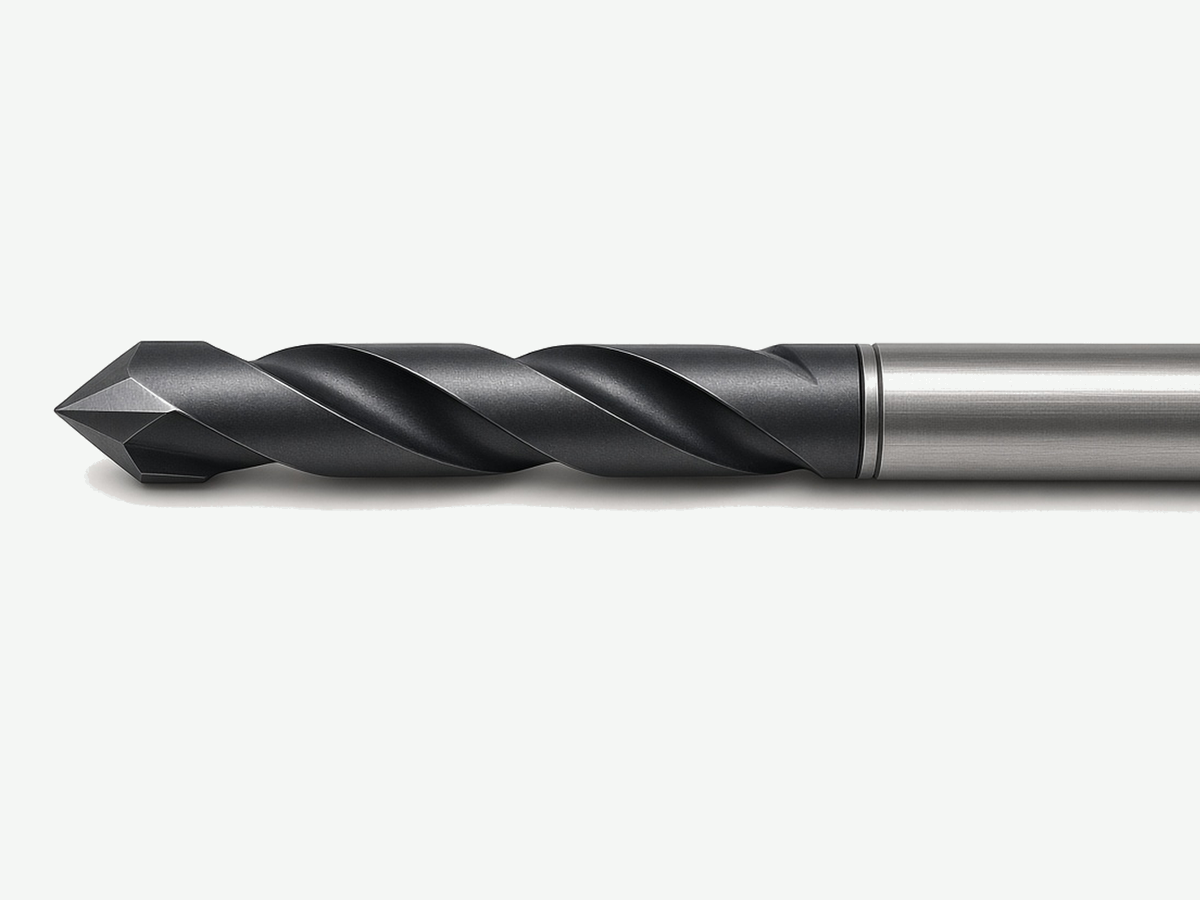
When the substrate checks, structure notes, and hardness or rigidity inputs still leave custom geometry, an incomplete acceptance package, or an HSS or cobalt steel-body path that cannot close from a published series, send the RFQ package for review. Attach the material, hardness band, hole size and depth, coolant, holder notes, tipped versus solid preference, and surface targets you already filled so review starts from the same process boundary.
If the job is still a standard published carbide family after this guide, stay on the live carbide-drill-bits and solid-carbide-drill paths already linked above and bring only the missing confirm fields. Use the custom RFQ when the selection boundary, geometry, or acceptance package cannot be closed from a published series alone.