
Product Detail
Indexable Drills for CNC Holemaking
Need an indexable drill for larger diameters or edge economy? Send hole size, material, coolant, and holder notes. HENTRY supplies to your drawing after review.
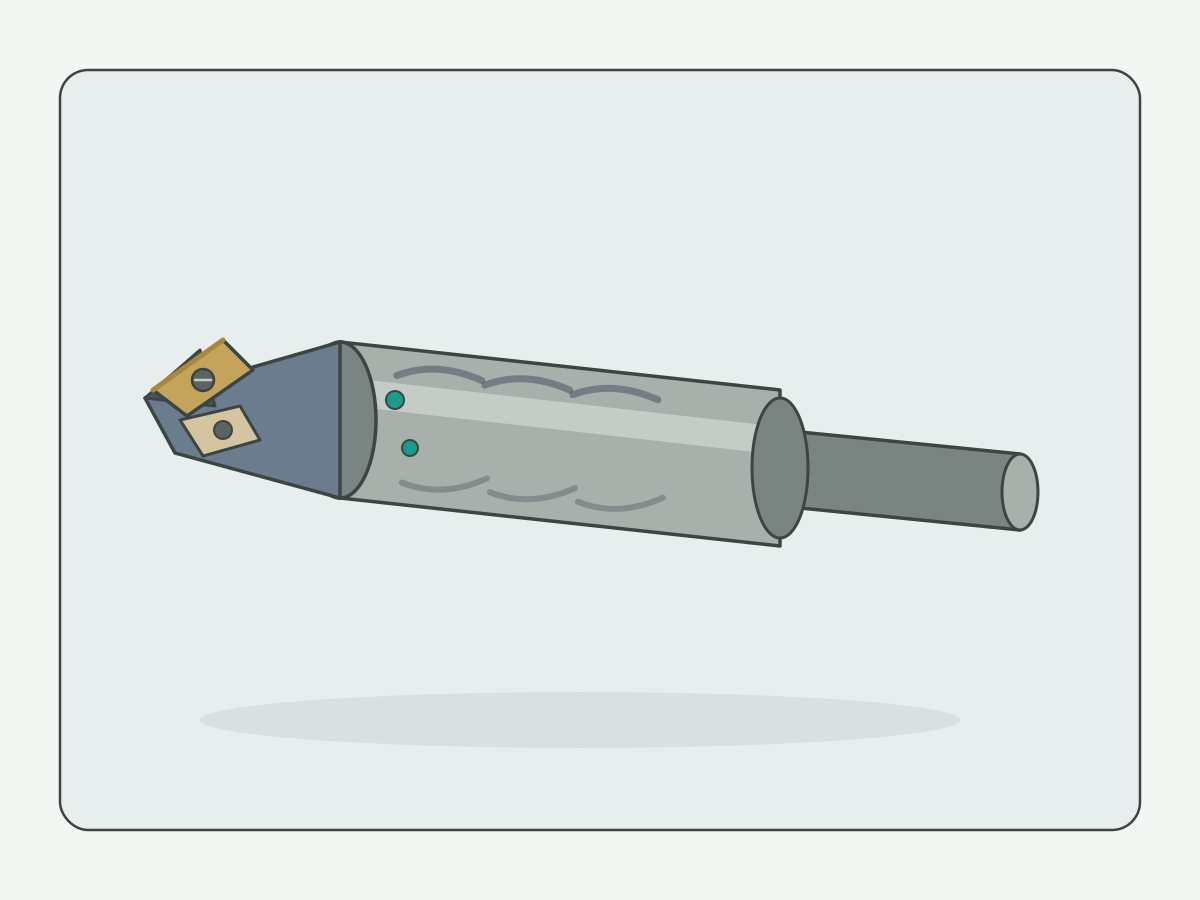
Indexable drills · replaceable inserts
Indexable Drills for CNC Holemaking
Need an indexable drill for larger diameters or edge economy? Send hole size, material, coolant, and holder notes. HENTRY supplies to your drawing after review.
- Body + replaceable inserts for diameter and edge economy
- Specs to your drawing; no public catalog grid
- Compare solid carbide drills when that route fits better
What this page covers
An indexable drill is a drill body plus replaceable inserts. HENTRY supplies these tools to your drawing (made-to-print / per customer requirements). This is not a public SKU catalog page. Structure teaching for seats, clamps, and the wider indexable map stays on the indexable tools guide. Face milling with replaceable inserts is a different product path: see indexable face milling cutters only when that is the intent. OEM holemaking catalogs (for example this reaming tool architecture overview for finish-path discovery, or a carbide rod blank portfolio overview for blank-family language) are field checklists only; they do not set HENTRY catalog limits or life claims.
Body + insert
Purchase object is the modular drill assembly: body, insert seat, clamp hardware, and insert geometry confirmed in drawing review.
To your drawing
Diameter, insert style, coolant holes, and shank are not published as a stock matrix. Blank cells mean engineering confirm.
ISO insert encyclopedia
General insert families and decoding stay on the inserts hub and the structure guide. This page stays on the drilling product path.
When indexable drills fit
Use tendency language, not life guarantees. Indexable drills often fit when diameter is larger, edge change cost matters more than a one-piece tip, or the process plan already standardizes on replaceable inserts.
| Tendency | Why teams look here | What HENTRY still needs |
|---|---|---|
| Larger hole diameters | Body + insert can be more practical than a solid blank at some sizes | Finished hole size and tolerance from the print |
| Edge change economy | Worn edges can be indexed or swapped without remaking the whole body | Insert preference if any; seat style from drawing |
| Batch edge cost focus | Process planning may prioritize insert inventory over one-piece tools | Material, coolant, holder, and quantity window |
No published life, tool-change %, or “always cheaper” claim. Fit is confirmed against your drawing and machine notes. For process-planning discipline across drilling, milling, turning, and threading as separate correction loops, see this machining process training and solutions overview. Use it as a field checklist for naming what changed, not as a parameter set for HENTRY drills. Peer-reviewed machining indexing for deeper mechanism reading starts from this peer-reviewed machining research journal overview.
When solid carbide drills fit better
Smaller diameters, high spindle speed, short overhang, or rigidity-sensitive setups often favor a one-piece solid route. Open solid carbide drills when that path matches the print better. For deeper L/D duties, compare deep-hole carbide drills or gun drills instead of forcing an indexable body into the wrong process. Micro-drill and guided coolant constructions change how guidance and internal coolant must be confirmed together; a series-level field checklist is this micro-drill coolant and guidance description. Research labs that treat geometry, substrate, coating, machine, and strategy as one process system describe that scope on pages such as this machining process and tool development research overview. Neither page replaces prove-out on your machine.
Small / high-speed / rigid
One-piece carbide can be the cleaner answer when diameter, rpm, and overhang push toward solid geometry.
Diameter / edge economy
Stay on this page when modular body + replaceable inserts is the engineering intent.
Do not merge families
Deep-hole and gun-drill supply stay on their own product pages. HENTRY will not rename those duties as indexable drills.
Body, insert seat, coolant & holder checklist
Collect the fields that decide seat geometry, clamp method, coolant path, and machine interface. Unknown values stay blank until drawing review. Related insert families for non-drill duties: cutting inserts. Holder interface families for shank and spindle notes start from this tool-holder interface overview. Interface cleaning as a runout-control step is explained in this tool-holder cleaning guidance for runout control.
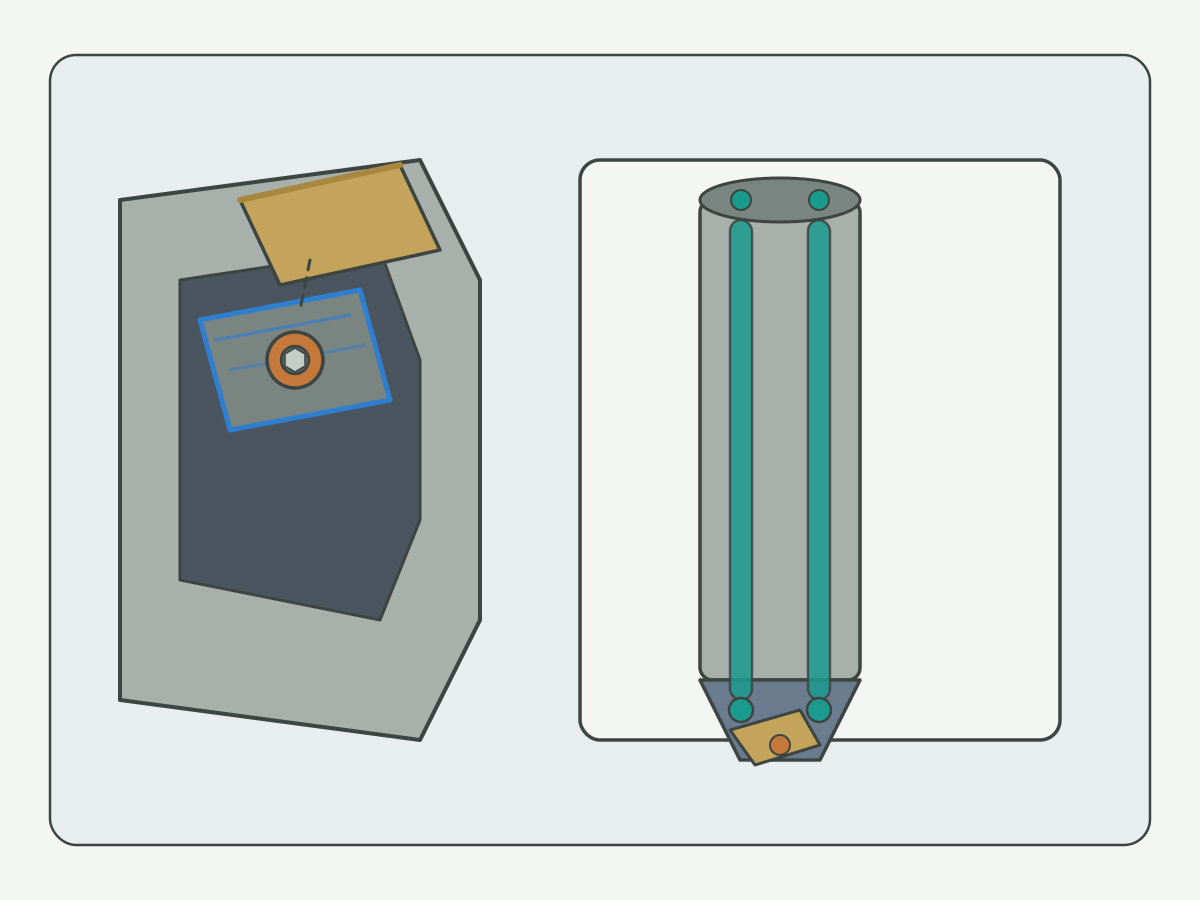
- Body & diameter Nominal and finished hole size from the print · to your drawing.
- Insert seat & clamp Seat style, clamp hardware, and insert shape · confirmed in drawing review.
- Coolant Through-coolant holes / channels if required; pressure and medium from the machine.
- Holder / shank Shank type, length, and spindle interface · machine docs when the code is unclear.
| Field | Typical input | If unknown |
|---|---|---|
| Hole size / depth intent | Finished diameter, depth or L/D intent | to your drawing |
| Insert / grade preference | Shape, corner, coating preference if any | confirmed in drawing review |
| Coolant path | Through / external; medium | State machine capability |
| Shank / holder | Taper, length, interface | Photo of current setup helps |
Coolant concentration checks need a product-specific method, not a raw refractometer guess alone. Industry practice for emulsion checks is summarized in this coolant concentration measurement method note. When chip packing forces intermittent retract, compare retract styles inside your control documentation; one control-specific discussion is this high-speed peck drilling cycle note. Do not copy example cycle values across unrelated controls or tools, and do not treat OEM pages as HENTRY life or catalog limits.
What to send for RFQ
Send complete drawing information so engineering can review the body, insert, coolant, and holder together. Quotation reply: one to two working days after complete drawing information (engineering review turnaround, not manufacturing lead time).
Minimum packet
- Hole size Finished diameter and depth / L/D intent
- Material Alloy and hardness band if known
- Coolant Medium, through-coolant need, available pressure/flow if known
- Holder notes Shank / spindle interface; photos if the code is unclear
- Insert preference Optional; leave blank if open
- Quantity / trial window Piece count or pilot lot timing

“Model uncertain” is allowed. HENTRY will not invent a public catalog series to fill missing fields. Cutting-force monitoring research datasets (metadata-level) such as this cutting-force monitoring experiment metadata show how labs separate estimated force signals from reference measurements; use that mindset when you instrument a prove-out, without claiming the dataset matches your spindle. When edge geometry after use or regrind is part of the dispute, screening notes from tooling service practice are outlined in this regrind inspection and economic review overview, and optical tool inspection practice is summarized on equipment overviews such as this tool geometry inspection equipment overview. Do not convert any service or brochure percentage into an HENTRY life claim.
Indexable drills FAQ
Answers state decision conditions and next steps. They do not replace application approval.
What is an indexable drill?
A modular holemaking tool: a drill body with a replaceable insert (or inserts) at the cutting edge. You change or index the edge without remaking the whole body. Specs on this page are confirmed to your drawing, not from a public stock grid.
Do you publish a standard SKU or diameter matrix?
No. HENTRY supplies indexable drills per customer requirements and to your drawing. Diameter, insert style, coolant holes, and shank stay in drawing review. Blank cells are not filled with marketing ranges.
When should I choose a solid carbide drill instead?
When diameter, spindle speed, overhang, or rigidity make a one-piece solid tool the clearer fit. Use the solid-vs-indexable section on this page and send both options if you are unsure. HENTRY will not force the modular route when solid fits better.
What drawing information do you need for a quote?
Hole size and depth intent, workpiece material, coolant notes, holder or shank interface, any insert preference, and quantity or trial window. Incomplete packets delay engineering review.
How fast is the quotation reply?
One to two working days after complete drawing information. That is engineering review turnaround for quotation, not manufacturing lead time.
Can you match an insert style from our current setup?
Send the insert designation, a clear photo, or a sketch of the seat. Matching is confirmed in drawing review. Do not assume every ISO-looking code is interchangeable without seat and clamp checks.
Are indexable drills the same as gun drills or deep-hole drills?
No. Deep-hole and gun-drill duties have different coolant, guidance, and length rules. Keep those on their own product paths. This page stays on modular body-plus-insert holemaking for CNC setups that call for indexable drills.
Is an indexable face mill the same product?
No. Face milling with replaceable inserts is a milling product path. This page is for drilling. If your print is a face mill, say so in the RFQ so engineering routes the review correctly.
Request Indexable Drill Review
Page K016 · Product Indexable Drills for CNC Holemaking. Required: email, product or task, requirement description. Optional: drawing upload, company, material, hole size, coolant, holder, quantity. Supply is to your drawing after review.
Quotation reply: 1–2 working days after complete drawing information (not manufacturing lead time). Footer / legal entity: Guangdong Hentry Tool Technology Co., Ltd Brand on page: HENTRY.