
This page helps CNC process engineers, programmers, and tooling buyers match an end-mill coating family to substrate geometry, workpiece material, and wet, dry, or MQL delivery before they open a coated-cutter RFQ. It locks substrate-to-coating relationships, coating traits and application boundaries, a conditional material table (not a ranking), coolant-mode gates, regrind and verification rules, then RFQ inputs. Cutter-type navigation stays on the live milling tools hub. Peripheral (side) milling process detail lives on the live peripheral milling guide. Climb versus conventional feed sense lives on the live climb versus conventional guide. A general cutting-tool coatings encyclopedia, full diameter tables, and full SFM libraries belong on their own pages when those pages are live. This page is milling support relative to holemaking; it is not a milling site hub rewrite.
Start from the live hub when you still need cutter-family framing: milling tools guide. For side-edge engagement geometry, use the live peripheral milling guide. For feed-sense gates, use the live climb vs conventional milling guide. Live solid carbide and AlTiN-coated end-mill families stay on carbide end mills and AlTiN coated end mills.
Quick answer
- Lock substrate and geometry first: carbide grade band, edge preparation, flute count, helix, and stick-out set what a coating can protect. A coating does not fix a wrong diameter, weak corner, or excessive projection.
- Name coating traits as boundaries: use heat resistance, hardness, lubricity, and adhesion notes as conditional gates, not as an unconditional “best coating” list. Uncoated remains valid when adhesion risk or soft non-ferrous build-up makes a film a liability.
- Match material and coolant mode together: aluminum, steels, stainless intent, heat-resistant alloys, and hardened stocks need different film and coolant assumptions. Wet, dry, and MQL change heat and chip evacuation; do not copy a dry AlTiN trial into a flood aluminum job without re-checking.
- Next step: verify regrind policy and first-off measures, then request a matched coated end-mill proposal from live product notes and RFQ. This page is not a size table, SFM library, or general coatings encyclopedia.
Selection path (stop when a field is missing):
| Step | What you lock | If missing |
|---|---|---|
| 1 Feature and pass | Wall, pocket, slot, or face-adjacent pass; rough versus finish intent | Stop; recover the drawing revision |
| 2 Substrate and geometry | Diameter family, flute/helix, corner, edge prep, stick-out band | Do not pick a film to “rescue” an undefined cutter |
| 3 Workpiece material | Grade, condition, hardness band if known | Stop; coating intent cannot be stated |
| 4 Coolant mode | Flood, mist/MQL, or dry; reach to the cut | Keep open risks flagged |
| 5 Coating family intent | Uncoated, nitride family, Al-rich nitride, or other film notes for this pass | Record “open proposal” rather than inventing a winner |
| 6 Confirm | Regrind policy + RFQ package | Open RFQ with incomplete SKU if needed |
Jump: Substrate and coating · Traits and boundaries · Example · Material map · Wet / dry / MQL · Regrind and verify · RFQ · Confirm · FAQ
Substrate geometry and the coating
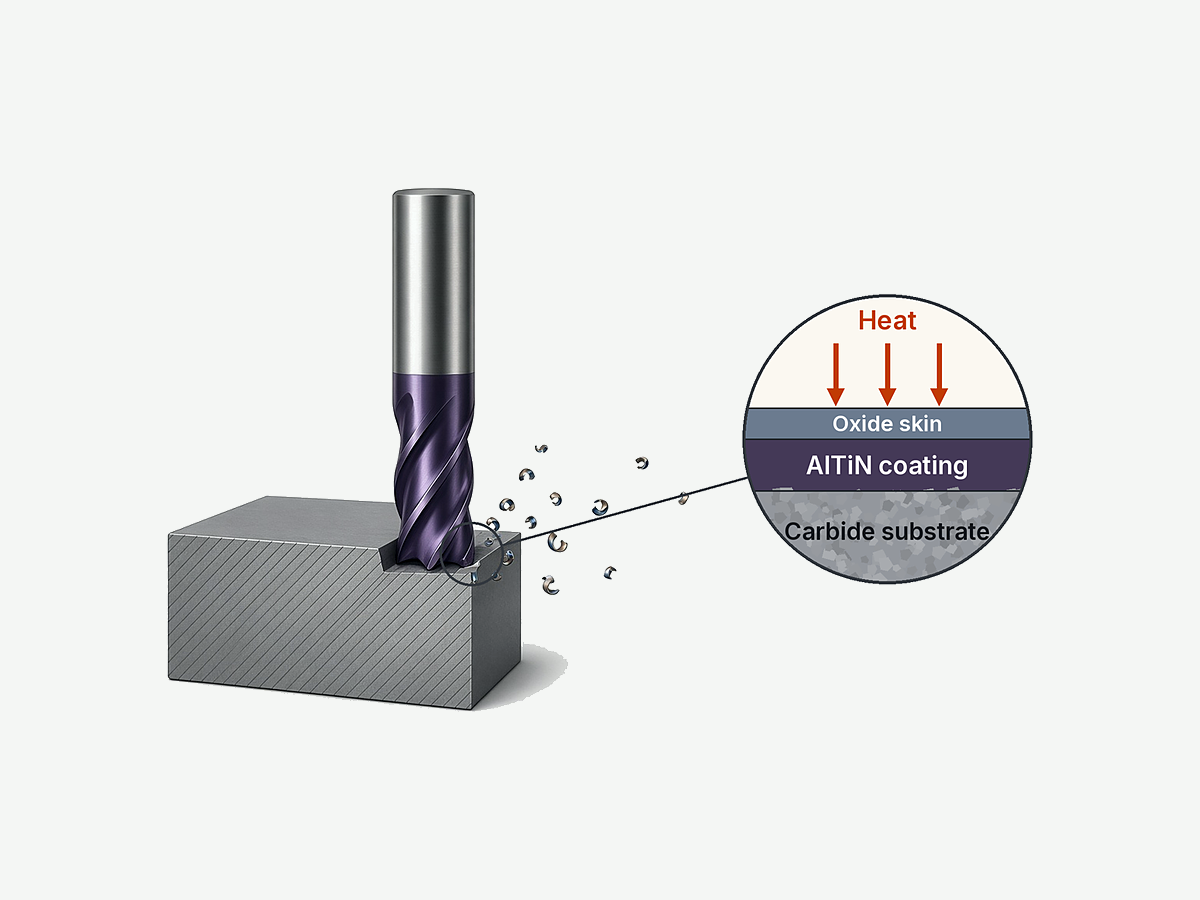
An end-mill coating sits on a carbide substrate and an edge that already have geometry. Treat the film as a surface system, not as a substitute for diameter, flute design, or stick-out control. Record substrate and geometry on the setup sheet before you debate coating marketing names.
- Substrate first: carbide grade band and blank integrity set toughness and thermal mass. A thin film cannot repair a cracked blank or an undersized core for the cut you planned.
- Edge preparation: hone or chamfer size changes how the coating wraps the edge and how the edge loads at entry. Aggressive sharp edges and heavy hones need different film adhesion expectations.
- Flute, helix, and chip space: coatings change friction and heat at the rake and relief. Chip packing in a tight flute can strip or polish a film locally long before the substrate is “worn out” in a catalogue sense.
- Stick-out and runout: long projection and poor runout amplify heat and vibration. Fix holder and projection before assuming a harder coating will quiet the cut. Peripheral engagement geometry stays on the live peripheral milling guide; feed sense stays on the live climb vs conventional milling guide.
- What this page is not: a rewrite of the live milling tools guide type catalogue, a general coatings encyclopedia, a diameter table, or a holemaking OWN page.
Public coating and milling literacy such as this coatings knowledge overview and this milling knowledge overview describes film roles at a high level. Treat those pages as process literacy, not as HC cutting data. Manufacturing society vocabulary such as this manufacturing society portal supports naming substrate and edge prep without inventing shop slang as a standard.
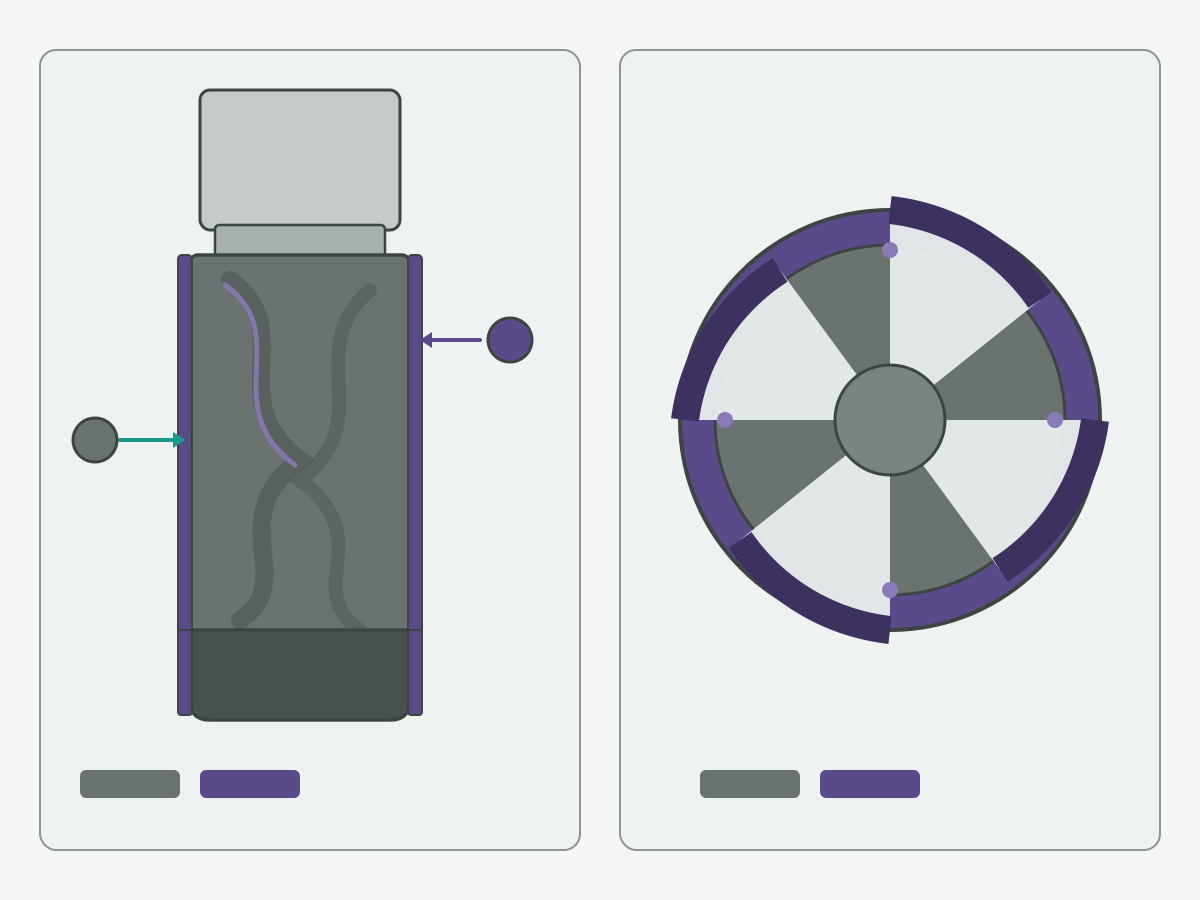
Schematic illustration: not a machine-ready recipe or catalogue ranking. Confirm substrate, edge prep, stick-out, and coating family on your drawing and cutter data.
Coating traits and application boundaries
Coating families differ in heat resistance, hardness, lubricity, and how they behave when re-sharpened. Use traits as boundaries. Do not invent an unconditional ranking, life percentage, or “best for stainless” banner title.
- Uncoated carbide: often preferred when soft non-ferrous alloys smear onto a film, when a razor edge must stay extremely sharp, or when adhesion of a film is a known risk for the alloy. Uncoated is a valid intent, not a failure to specify.
- TiN-class nitrides: general-purpose wear color and moderate heat resistance. Useful as a literacy baseline; not automatically the shop default for every steel or stainless pass.
- TiAlN / AlTiN-class (Al-rich nitrides): higher temperature capability and oxidation resistance suited to many steel and dry or MQL milling intents when the substrate and edge prep match. Live product framing for this family sits on AlTiN coated end mills.
- Other films (examples as traits only): carbon-based or lubricious films may help when built-up edge dominates; chrome-rich or other Al-bearing films appear in heat-resistant contexts. Name the trait you need (lubricity, heat, abrasion) rather than copying a catalogue slogan.
- Out of OWN here: exhaustive PVD/CVD process chemistry, every brand SKU matrix, and cross-industry coating encyclopedias. Those belong on a general coatings page when live (soft-note only until then).
Third-party coating application literacy such as this engineering calculators portal and this cutting data notes portal adds context; neither is an HC trial result. Machining formula literacy such as this machining formulas overview helps teams name vc, fz, ae, and ap without publishing a universal chart.
Teaching example: aluminum finish vs stainless rough (instructional)
Instructional / hypothetical example only. This is not a verified HC customer case and invents no life, scrap rate, cycle-time, price, or ROI claims.
Imagine two shops cutting with the same nominal end-mill diameter family. Walk selection in this order and stop when an input is missing:
- Confirm the drawing revision, feature type, and whether a coating family is already specified on the setup sheet.
- Shop A: finish pass in a soft aluminum alloy with flood coolant and a short stick-out. Prefer an uncoated or lubricious-film intent if built-up edge has been seen on nitride films in sister parts; do not copy a dry steel AlTiN choice by habit.
- Shop B: roughing stainless with limited coolant reach and a documented heat complaint on uncoated edges. An Al-rich nitride intent is more plausible after edge prep and stick-out are locked; still treat stainless as a condition set (work-hardening, heat, chip control), not as a fake “best coating for stainless” ranking.
- Both shops: record wet/dry/MQL and regrind policy before the first chip; leave numeric speed-feed blanks until cutter data and a controlled trial fill them.
- Agree the measure method for size, finish, and edge condition, then open RFQ if the SKU is still open.
Information gain: material plus coolant mode can flip the coating intent for the same diameter. Two incomplete candidates beat one invented universal winner.
Workpiece-material selection (conditional map)
Use the table as a condition map. Rows are intents, not a ranked “best coatings” list. Stainless appears as conditions only. Fill blanks from your material cert and cutter data; do not invent unverified life percentages.
| Material intent | Coating direction is more plausible when… | Prefer caution / alternate when… | Stop / escalate when… |
|---|---|---|---|
| Soft aluminum / many non-ferrous | Uncoated or lubricious-film intent; sharp edge; good chip evacuation | Sticky nitride films show built-up edge on sister parts | Nobody will state alloy temper or coolant mode |
| Carbon / alloy steels | Al-rich nitride or related heat-resistant film with matched edge prep | Very light finish passes that need an extremely sharp uncoated edge | Hardness band unknown and roughing load is aggressive |
| Stainless (conditional) | Heat and work-hardening are managed; Al-rich nitride often considered with controlled ae and feed | Flood does not reach; rubbing entry; long stick-out | Team wants a “best stainless coating” slogan instead of conditions |
| Heat-resistant / Ni or Ti alloys (intent) | High-temperature film traits, short engagement, verified coolant reach | Copying a mild-steel recipe unchanged | No trial plan and no stop rule for notch or notch-like wear |
| Hardened stocks (intent) | Wear-resistant film on a substrate rated for the hardness band; light ae | Using a finishing film to “force” heavy roughing | Hardness exceeds what the blank family was proposed for |
Practice portals such as this cutting tools practice overview and CNC milling literacy such as this CNC milling overview support reading symptoms; they are not HC shop results. Research society literacy such as this CIRP research portal frames process research boundaries only.
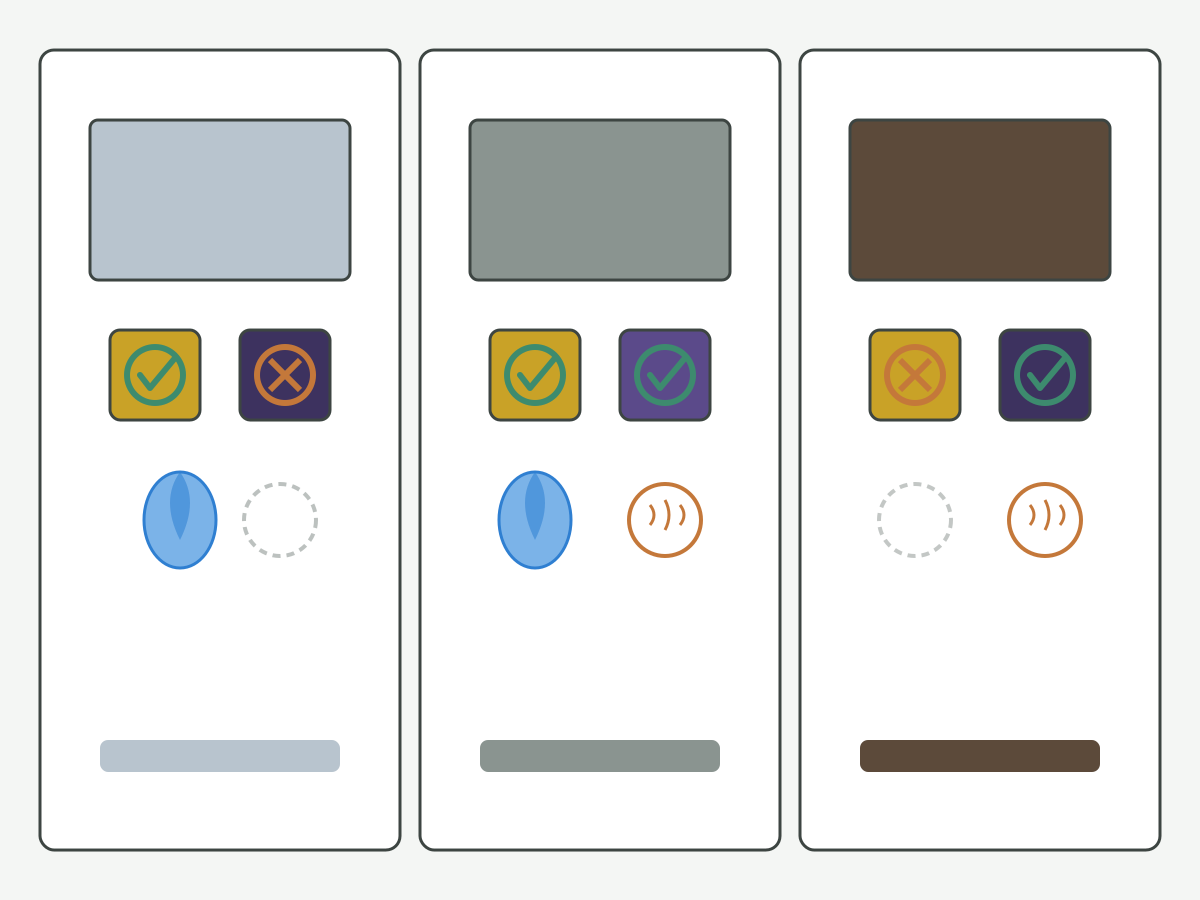
Schematic material-boundary illustration: conditions only, not a catalogue ranking. Confirm alloy, hardness, and coolant mode on your cert and setup sheet.
Wet, dry, and MQL boundaries
Coolant mode changes heat, chip evacuation, and how a coating ages. Match film intent to delivery. Do not treat “coated means run dry” as a universal rule.
- Flood / wet: helps when chips pack or heat marks appear; still verify that fluid reaches the cut, especially in pockets. Fluids literacy such as this coolant know-how overview supports the boundary discussion without inventing a fluid brand requirement.
- Dry: more plausible when chips clear, heat is managed by the film and engagement, and mist is restricted. Dry does not excuse excessive ae or long stick-out.
- MQL / mist: a middle path when lubricity at the edge matters but flood is limited. Confirm nozzle aim and oil type compatibility with the coating vendor notes you actually use.
- Symptom loop: discoloration, built-up edge, or polished flank can come from coolant miss as easily as from the wrong film. Check delivery before swapping coating families.
- Related OWN elsewhere: full speeds-and-feeds libraries and chatter trees when those pages publish; peripheral wall geometry on the live peripheral guide.
Toolholding literacy such as this toolholding overview and this tool holder technology overview belongs on the setup checklist beside coolant reach. Standards literacy such as this codes and standards portal and this public metrology laboratory entry support how you name acceptance; they do not invent your print’s tolerance.
Regrind policy and verification
Regrind changes how much original coating remains on the edge and relief. Decide the policy before production, not after the first unexpected wear pattern.
| Check | Pass when… | Fail / hold when… | RFQ note |
|---|---|---|---|
| Coating family named | Uncoated or film family is written for this pass | Family is “whatever the distributor had” | State family intent in the enquiry |
| Regrind allowed? | Yes/no and which surfaces may be ground are recorded | Assumed recoat without a vendor path | Flag regrind / recoat need |
| Edge prep after grind | Hone or chamfer target exists | Sharpness left to the grinding shop with no note | Attach edge-prep sketch if available |
| First-off measures | Size, finish, and edge condition methods agreed | No stop rule when marks look abnormal | Leave life claims blank |
| Coolant mode match | Wet/dry/MQL matches the trial that selected the film | Mode changed mid-lot without re-verify | State mode on the sheet |
| Consistency | Trial and production share substrate + film notes | Operators swap coated and uncoated mid-lot | Lock the sheet owner |
Browse live constructions here: carbide end mills and AlTiN coated end mills. Metrology discipline literacy such as this weights and measures overview and national standards literacy such as this national standards overview support how you record acceptance; they do not invent your gauge plan. International standards literacy such as this international standards overview frames industry naming only.
Procurement checklist (RFQ inputs)
Send what you know. Final SKU is optional when the drawing and constraints are complete.
- Drawing and feature: revision, wall or pocket notes, corner style, acceptance method for size and finish.
- Material: grade, condition, hardness band if known; stainless or heat-resistant intent stated as conditions, not as a slogan.
- Substrate and geometry: diameter family, flute/helix, corner, edge prep, projection band.
- Coating intent: uncoated, TiN-class, AlTiN/Al-rich nitride, or “open proposal”; reason tied to material and coolant mode.
- Coolant mode: flood, MQL, or dry; reach notes; any built-up edge or heat history from sister parts.
- Regrind / recoat: allowed or not; which faces; whether a recoat path is required.
- Engagement and sense: target ae/ap as symbols or measured bands; climb versus conventional if already locked on the sister guide.
- Production intent: quantity intent and repeat need (qualitative is enough; no invented ROI).
Open the request form when the package is ready: custom cutting tool RFQ.
Confirm the specification with engineering support
Before production ramp, confirm the coating family, regrind policy, and trial plan with engineering. Hand the package to a product and RFQ path that can return a matched coated cutter, not a generic catalogue guess. HENTRY / HC supports drawing-based solid carbide and AlTiN-coated end-mill proposals and engineering review. No price, MOQ, or unverified lead time is stated on this page.
Specification fields to confirm
- Proposed tool model or drawing.
- Diameter, flute count, corner style, and effective length versus feature depth.
- Substrate notes and coating family (including uncoated when that is the intent).
- Wet, dry, or MQL mode agreed for first-off and production.
- ae / ap, projection band, and feed-sense notes agreed for first-off.
- Inspection and sample acceptance expectations.
- Identifiers needed for repeat orders and regrind lots.
Trial plan (minimum)
- Same drawing revision and acceptance criteria as the checklist.
- First-off record before any compensation edit.
- Stop and escalate when size drifts, marks look abnormal, or the edge or film is damaged.
- Do not claim the route “won” without those controls.
Review listed constructions here: explore AlTiN coated end mills · explore carbide end mills. Research and practice portals such as this CIRP research portal (also cited above for process research framing) and ISO public information such as this international standards overview support industry literacy only.
Request a matched coated end-mill proposal
Suggested enquiry subject: End mill coatings - [material] - [wet/dry/MQL] - [feature] - [regrind notes]
End Mill Coatings FAQ
What does an end mill coating actually do?
A coating is a thin surface film on the carbide substrate that changes wear, heat, and friction behavior at the edge. It does not replace correct diameter, flute design, stick-out, or feed sense. Lock substrate geometry before debating film names.
How should I choose a coating for stainless steel?
Treat stainless as a condition set: work-hardening, heat, chip control, coolant reach, and edge prep. An Al-rich nitride is often considered when those conditions are controlled, but this page does not publish a “best coating for stainless” ranking or invented life percentages.
When is an uncoated end mill the better intent?
Uncoated is more plausible on many soft aluminum and non-ferrous finish passes, when built-up edge forms on nitride films, or when an extremely sharp edge is required and film adhesion is a risk. Uncoated is a valid specification, not a missing field.
Do coated end mills always run dry?
No. Some Al-rich nitride applications tolerate dry or MQL when chips clear and heat is managed, but flood remains appropriate when packing or heat marks appear. Match coolant mode to the trial that selected the film; do not assume “coated means dry.”
Can I regrind a coated end mill?
Often the original film is removed from ground faces. Decide whether regrind is allowed, which surfaces may be ground, and whether a recoat path exists before production. Record the policy on the setup sheet and in the RFQ.
Which inputs should I send in an RFQ for coating selection?
Send drawing revision, feature notes, material and condition, substrate and geometry notes, coating family intent or open proposal, wet/dry/MQL mode, regrind policy, ae/ap and projection, and acceptance method. Final SKU is optional when constraints are complete.
Does this page replace a general coatings encyclopedia or the milling tools guide?
No. Cutter-type navigation stays on the live milling tools guide. A general cutting-tool coatings encyclopedia belongs on its own page when live. This page owns end-mill substrate-to-coating matching, trait boundaries, material and coolant condition maps, regrind verify, and the RFQ checklist only.
When does this page not apply?
It does not apply when you need invented life percentages, prices, ROI, or unverified case counts; when you need a full size table, SFM library, climb-versus-conventional long guide, or holemaking OWN; or when material and coolant mode are missing and nobody will stop to state them. Fix the inputs first.
Sources and related guides
Outbound references support coating and milling literacy, machining formula symbols, toolholding and coolant boundaries, standards and metrology portals, cutting-data literacy, CNC milling practice, and manufacturing research portals cited in the body. Manufacturer-specific cutting data remain tied to their own products. The aluminum-versus-stainless walkthrough is an HC editorial teaching aid, not a measured customer result. Sources checked for this draft on 22 October 2026 (Asia/Shanghai).
- Coatings knowledge overview (third-party education page; linked in body)
- Milling knowledge overview (third-party education page; linked in body)
- Machining formulas overview (third-party education page; linked in body)
- Toolholding overview (third-party education page; linked in body)
- Tool holder technology overview (third-party education page; linked in body)
- Coolant know-how overview (third-party education page; linked in body)
- Engineering calculators portal (third-party tooling education; linked in body)
- Cutting data notes portal (third-party tooling education; linked in body)
- Codes and standards portal (public standards entry; linked in body)
- Public metrology laboratory entry (public metrology entry; linked in body)
- Weights and measures overview (public metrology entry; linked in body)
- National standards overview (public standards entry; linked in body)
- International standards overview (public standards entry; linked in body)
- Manufacturing society portal (public manufacturing literacy; linked in body)
- CIRP research portal (third-party research society; linked in body)
- Cutting tools practice overview (third-party education page; linked in body)
- CNC milling overview (third-party education page; linked in body)
Related live guides: milling tools guide · peripheral milling · climb vs conventional milling · AlTiN coated end mills · carbide end mills · custom cutting tool RFQ. General cutting-tool coatings encyclopedia, end-mill size tables, speeds-and-feeds libraries, face-milling exclusives, chatter diagnosis, and surface-finish exclusives will be linked here after they publish (soft-note only until live).