
Search results for gun drilling often mix product catalogs, deep-hole carbide series names, and peck-cycle tips on one screen. Process engineers then open three tabs and still lack a single place to decide whether a guided, high-pressure gun-drill process is the right boundary, or whether a solid carbide deep-hole path with peck or continuous feed is enough for the hole in front of them.
HENTRY publishes this gun drilling guide as a process-boundary page for deep hole machining. You compare when gun drilling fits versus solid carbide deep-hole and peck strategies, confirm coolant path, bushing or guidance, and machine capability, then lock RFQ acceptance inputs before you request a quote. The page does not host SKU tables, full feeds matrices, or unverified life claims. Product catalogs belong on product pages; L/D and peck operating detail stay on sibling guides.
Process decision jumps to the when-and-how comparison. RFQ checklist opens the acceptance-input list. A named decision anchor also sits on the same section as the process decision table.
Gun drilling is a guided, high-pressure coolant process for deep holes when chip evacuation, straightness, and continuous feed matter more than a general-purpose twist-drill cycle. Use this guide to compare process limits with solid carbide deep-hole and peck strategies, then confirm coolant path, bushing/guidance, machine capability, and RFQ acceptance inputs. Product SKUs and catalogs belong on product pages; here you lock the process boundary before you request a quote.
When Gun Drilling Is the Right Process
Use the table below as a shop-dependent routing aid, not as a guarantee of a fixed depth-to-diameter ratio, pressure window, or machine class. Typical industry practice ranges help you ask better questions; blank cells stay blank until application engineering confirms them for your material, machine, and drawing.
Review our gun drills product information and share your application requirements.
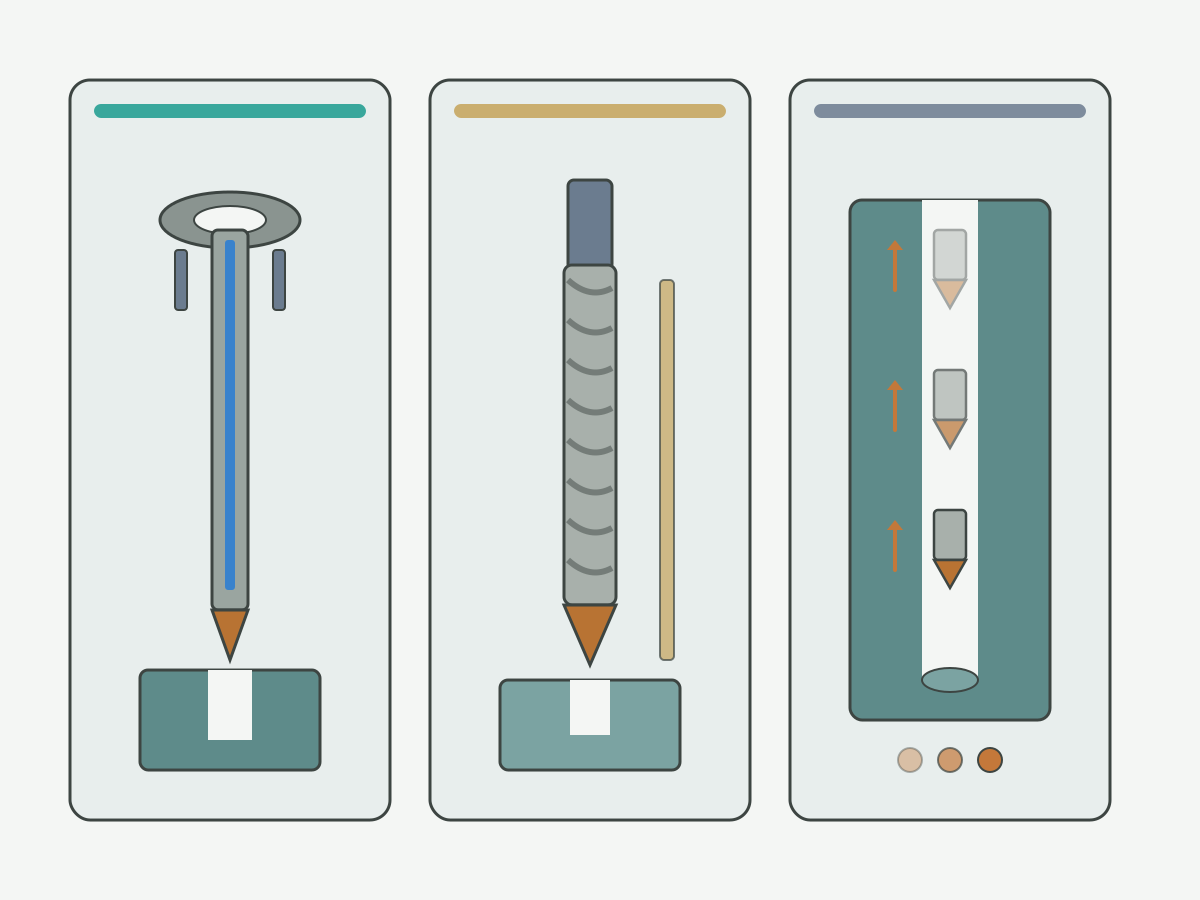
Gun drilling usually enters the conversation when the hole needs continuous chip evacuation under high-pressure coolant, a guidance or bushing start, and a process that favors straightness over a short twist-drill cycle. Solid carbide deep-hole drills often cover moderate deep holes on machining centers that already have through-coolant and stable holders. Peck strategies sit between those extremes when chip packing or heat forces intermittent retraction rather than a dedicated gun-drill system.
| Decision axis | Gun drilling (typical tendency) | Solid carbide deep-hole | Peck or interrupted deep-hole cycle | Still confirm with engineering |
|---|---|---|---|---|
| Depth-to-diameter tendency | Often chosen when the shop treats the hole as a guided deep-hole process rather than a long twist-drill program | Common when L/D stays inside what the solid series and machine coolant can support | Used when continuous feed packs chips or heat rises before full depth | Do not treat any published L/D rumor as an HENTRY measured guarantee; record your print depth and diameter |
| Diameter window tendency | Often aligns with dedicated gun-drill bodies and bushing starts in the plant range | Often aligns with catalog solid deep-hole or long-series carbide diameters already on the machine | Same tool family as the solid path, with cycle changes | Blank numeric diameter cells until the drawing and available series match |
| Machine and guidance need | Guidance bushing or dedicated gun-drill support; high-pressure coolant interface; stroke and support for the tool | Machining-center through-coolant, holder, and stick-out limits | Same as solid path plus reliable peck retract and chip clear | List pump rating, bushing supply, and stroke as confirm items |
| Chip evacuation continuity | Continuous evacuation along the designed coolant and chip path is the process intent | Depends on flute volume, coolant, and depth | Intermittent clear by design | Chip form and color still need separate diagnosis on sister pages |
| Typical risk if mismatched | Running gun-drill geometry without guidance or pressure capability | Forcing a solid deep-hole tool past coolant or guidance limits | Peck that never clears a packing root cause | Mark the row engineering-confirm when any axis is unknown |
Read the workpiece feature first: blind or through, cross holes, tolerance and straightness callouts, and whether the fixture already supports a bushing start. Then map the shop capability: high-pressure coolant path, guidance hardware, and whether a dedicated gun-drill machine or a converted center is available. Only after those two maps agree should you treat gun drilling as the process of record.
Shops often over-weight a single L/D number copied from a brochure. Two holes with the same nominal depth-to-diameter can still demand different processes when straightness, interrupted exits, or coolant return paths differ. Write the print callouts and the machine limits on the same traveler line so a nickname like deep hole does not hide a second process choice.
Peck is not automatically the fallback for every solid deep-hole attempt. Peck helps when intermittent retract clears chips or heat that a continuous solid path cannot manage on that machine. If the root limit is missing guidance or missing high-pressure coolant for a true gun-drill intent, peck on a twist-style cycle will not recreate a guided gun-drill boundary. Mark that mismatch as engineering-confirm instead of stacking more peck depth blindly.
When the decision still points to a solid carbide deep-hole product rather than a gun-drill process, open the live deep-hole carbide drill product entry after you finish the confirm list. For general solid carbide drill series that are not deep-hole specific, use the live solid carbide drill entry as a shallow or conventional contrast, not as a substitute for this process page.
Coolant Pressure, Path & Chip Evacuation Boundary
Gun drilling depends on a designed coolant path that carries heat and chips out of the hole. Flood coolant on an open face is not the same boundary. Through-coolant on a solid carbide drill is closer, yet still not identical to a gun-drill system that expects continuous high-pressure flow through a matched interface, tool passage, and return route.
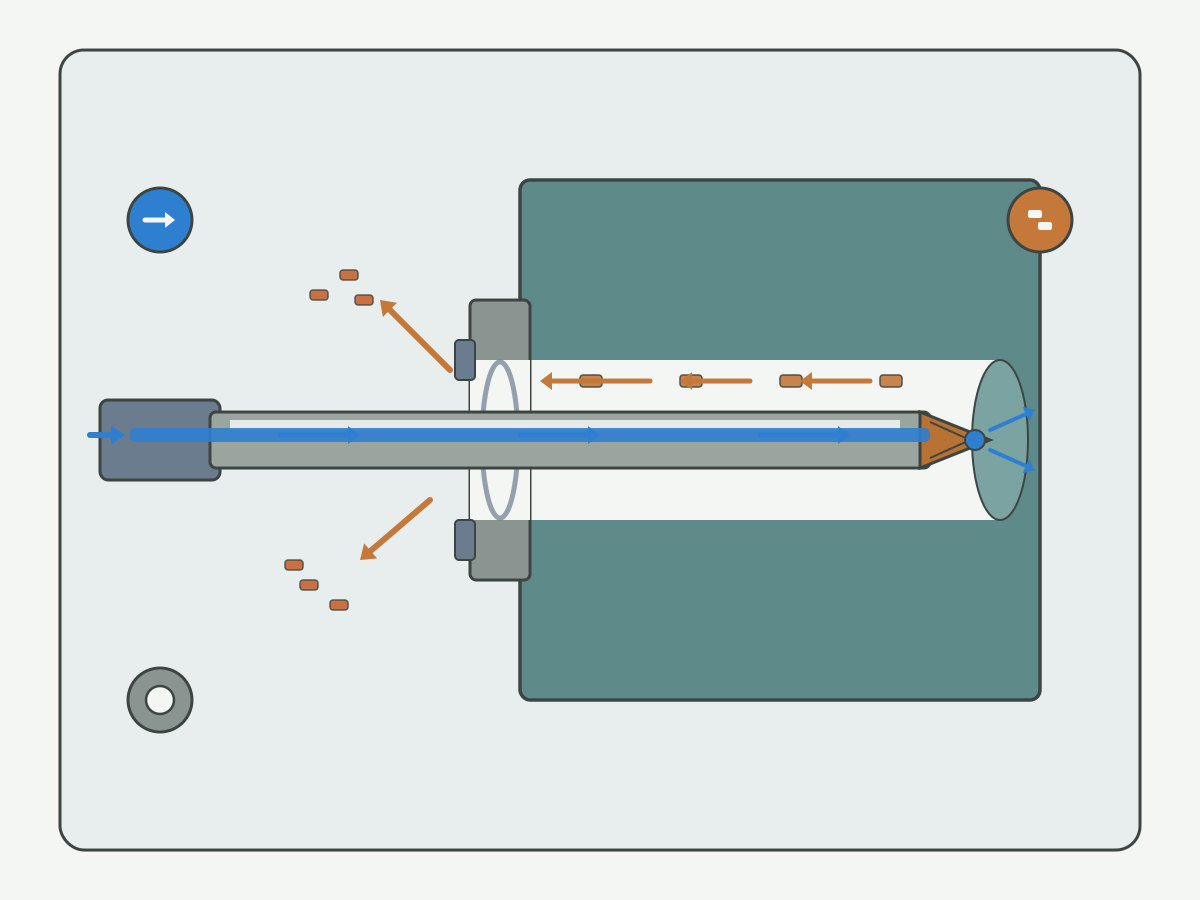
Confirm these coolant items before RFQ or trial: pump capability at the tool interface, hose and rotary joint ratings, filtration that matches the orifice and chip load, return or chip-evacuation clear path, and whether the coolant type is already approved for the material. Industry practice often discusses elevated pressure relative to ordinary flood, but any numeric window on your traveler must come from machine data and application engineering. Blank pressure cells are better than invented absolute psi guarantees presented as HENTRY measured results.
Chip evacuation fails in different ways. Packing in the flute or return channel, blue or burnt chips, and sudden torque spikes are process signals, not reasons to invent a life percentage on this page. For packing checklists, use the live carbide drill chip packing checklist. For chip shape and color reading, use drilling chip shapes and colors. For when flood is no longer enough versus through-coolant carbide drilling, use through-coolant carbide drilling when flood coolant is not enough.
Keep full peck programs and L/D operating recipes off this page. Those operating details live on sibling Knowledge pages listed later. Here you only lock whether the coolant and chip boundary still support a continuous gun-drill intent, or whether you should retreat to a solid deep-hole or peck path.
Document the coolant path as a chain, not a single pump sticker. Inlet supply, filtration, rotary joint or coupler, tool internal passage, exit or return route, and chip handling after the hole all need a named owner on the setup sheet. A strong pump with a clogged filter or a mismatched coupler still fails the boundary. Industry practice language can describe typical plant ranges for discussion, but your traveler should cite machine documentation and engineering confirm for any numeric window.
Compare three boundaries in plain language. Flood on an open cut cools the exterior and does little for a sealed deep hole. Through-coolant on a solid carbide drill moves fluid through the tool and can support many deep-hole jobs on a machining center when flute volume and pressure match the depth. Gun drilling expects a process-designed high-pressure path plus guidance so chips leave continuously along the intended route. Crossing those boundaries without renaming the process on the traveler is a common source of failed prove-outs.
Guidance, Bushing & Machine Setup Checklist
Guidance and bushing setup decide whether a gun-drill process can start straight and stay supported. Treat the list as buyer and process confirm items. Do not fill unknown gaps with catalog folklore.
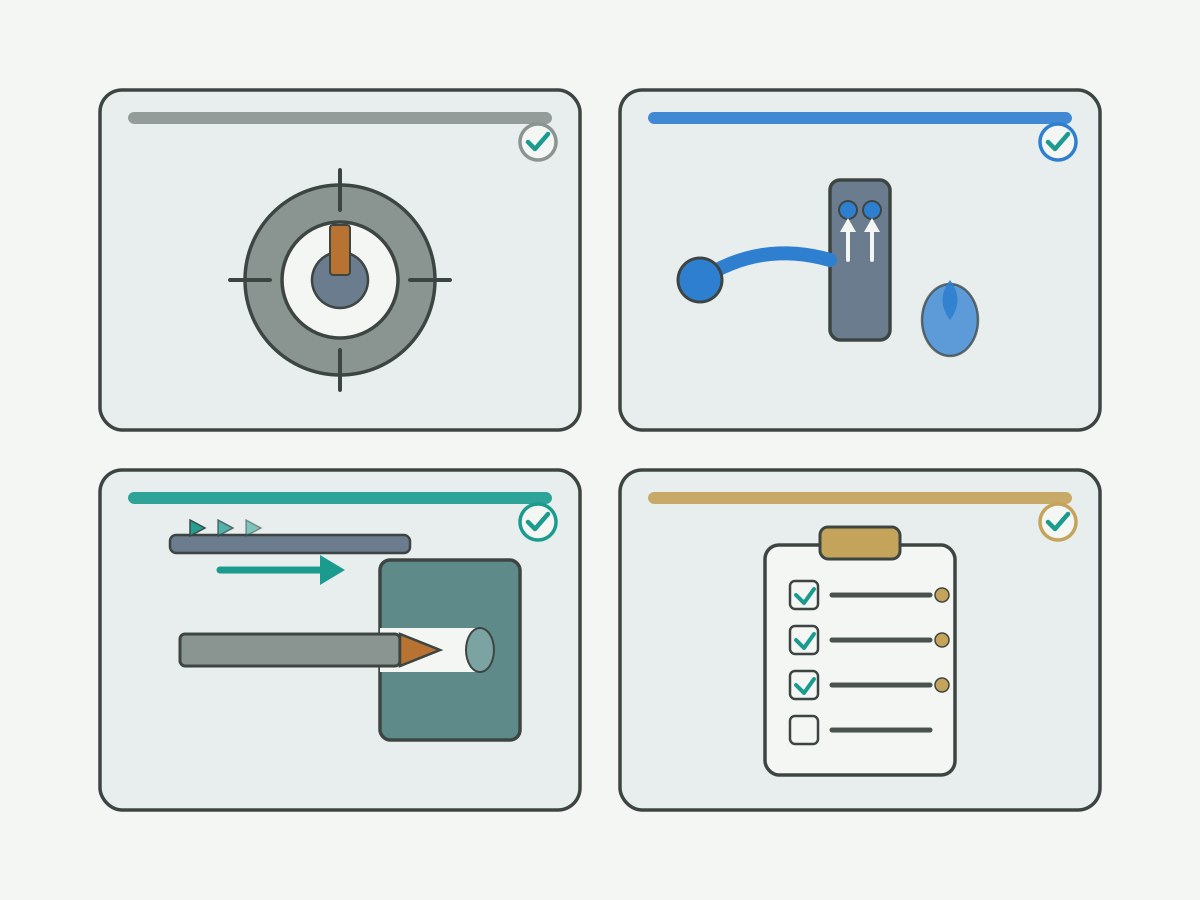
- Bushing or guide alignment. Confirm bushing supply, alignment to the spindle or tool axis, and clearance practice used in your plant. Misalignment at start often shows up as hole wander later.
- Starting method. Record whether the start uses a bushing, a pre-spot or pilot strategy approved for the process, or another plant-standard start. Do not invent a universal start recipe here.
- Machine class and stroke. Note dedicated gun-drill machine versus machining-center conversion, available stroke, and tool support along the travel.
- Tool and bar support. Confirm stick-out, whip risk, and any intermediate support the process sheet requires.
- Coolant interface. Match the tool shank and machine coupler; confirm leak checks and filtration before first chip.
- Trial and straightness monitoring. Plan how you will measure diameter, straightness, and surface during prove-out. Leave acceptance numbers blank until the drawing and quality plan supply them.
If a standard machining center lacks high-pressure coolant, guidance hardware, or stroke for the intended hole, mark the process engineering-confirm. Options then include changing the process path to solid deep-hole with peck, adding hardware that the plant can validate, or moving the job to equipment that already supports gun drilling. This guide does not claim every center can run every gun-drill geometry.
Treat prove-out as part of setup, not as an afterthought after scrap appears. Decide in advance which sample holes will be measured for diameter, straightness or wander, surface, and position relative to datums. Capture coolant pressure at the interface during the trial if your plant can log it, and keep those logs with the traveler. Numbers you cannot measure stay blank; do not back-fill them from memory of another job.
Starting methods deserve their own confirm line. A bushing start, an approved pilot or pre-spot strategy, and a free-start attempt are not interchangeable labels. If the drawing or process sheet does not name the start, stop and resolve it before the first chip. Misnamed starts are a frequent reason shops blame the tool when the process boundary was never locked.
Workpiece Material & Hole Quality Inputs for RFQ
Acceptance fields belong in the RFQ package. This section lists what to send; it does not replace your inspection procedure or publish a universal tolerance chart.
| RFQ field | What to provide | If unknown |
|---|---|---|
| Material family and condition | Family, grade if known, heat-treat or temper state | Leave grade blank; send family and hardness notes if available |
| Hole diameter and depth | Print values, units, blind or through | Do not invent L/D guarantees; send print callouts |
| Tolerance and form | Diameter tolerance, straightness, position or coaxial notes | Blank until drawing review |
| Surface requirement | Roughness target or class if specified | Blank if the print is silent |
| Feature interactions | Cross holes, interrupted exits, thin walls | Photo or section view helps |
| Coolant and machine notes | Coolant type, pump interface, bushing availability | Mark confirm; do not guess psi |
| Quantity and prove-out plan | Lot size, first-article needs | State unknown honestly |
HENTRY quotes to the inputs you provide. Incomplete packages slow review more than blank cells. When custom geometry or unclear process capability remains after the decision table, close with the RFQ path at the end of this page rather than asking for a catalog promise without fields.
Separate commercial fields from process fields in the same package. Quantity, target date, and ship-to data help planning, but they do not replace material condition, hole callouts, guidance notes, or coolant interface facts. If purchasing sends only a diameter and a wish for gun drill, application review will return with the same checklist this page already lists.
Acceptance language should mirror the drawing. If the print states a straightness or position requirement, copy that wording into the RFQ notes instead of translating it into a marketing synonym. If the print is silent, say silent. This page will not invent a default roughness or coaxial class for every deep hole.
Process Guide vs Product Pages
Keep process ownership on this Knowledge URL. Keep SKU and catalog ownership on product pages. Do not merge existing product URLs into this guide to satisfy a naming preference.
| Page role | Owns | How to use it with this guide |
|---|---|---|
This guide (/resources/gun-drilling-guide) | Process limits, setup checklist, RFQ fields | Decide the process boundary and acceptance inputs here |
Gun-drill product catalog (/product/gun-drills) | Gun-drill SKU and catalog selection | Not published on this site yet; described here in text only, with no empty product link |
| Deep-hole carbide drill product | Solid carbide deep-hole series selection | Use the product entry already linked in the decision section |
| Solid carbide drill product | General solid carbide drill series | Use as a conventional contrast after the process boundary is clear |
A dedicated gun-drill product catalog is not published on this site yet. This guide therefore explains that catalog role in plain text and does not place a product link that would lead nowhere. Until a gun-drill product page is available, solid deep-hole product navigation stays on the deep-hole carbide drill entry already linked in the decision section.
Readers sometimes want one page that both teaches the process and sells every SKU. On this site that split is intentional. Knowledge pages lock when and how boundaries and RFQ inputs. Product pages carry series geometry and purchase selection after those boundaries are clear. Merging them would force either a catalog dump into the process guide or a process essay into the product template, both of which fail the DEDUPE rules for this URL.
Through-coolant carbide drill product paths that may appear elsewhere in planning documents are not OWN on this page. If you need a through-coolant product contrast after the coolant boundary section, open that live product later without copying its specification table into this guide.
Related Live Guides (Hard Links Only)
Each live sister page below owns a slice of operating detail this guide must not dump. Open only the page that matches the next question so you do not duplicate the same traveler row across five tabs.
- Deep-hole carbide drilling: L/D, peck, and chip escape for operating-oriented L/D, peck, and escape detail on solid deep-hole work.
- Peck drilling when required when the decision is whether peck belongs on the cycle at all.
- Chip packing, through-coolant versus flood, and chip shape diagnosis are already linked once each in the coolant section above; do not repeat those URLs here.
- Stub versus jobber versus long-series drills for series-length contrast when the solid path is still in play.
- For a broader holemaking selection frame, use the precision holemaking selection guide as an optional upper hub. This gun drilling page keeps process-boundary ownership.
Milling cutter selection is out of scope here beyond a single soft support note: if the same fixture also needs milling feature routing, keep milling selection on its own live guide rather than expanding milling OWN on this deep-hole page.
Use the sister guides as single-purpose next steps. Open the L/D and peck escape guide when the solid deep-hole path is chosen and you need operating detail. Open peck-when-required when the only open question is whether peck belongs on the cycle. Open series-length contrast when the solid family is still undecided between stub, jobber, and long-series styles. Open the precision holemaking selection guide when you need an upper map across holemaking processes, then return here for gun-drilling boundary ownership.
Do not paste feeds tables from any sister page into this draft. If a numeric window is required for prove-out, it belongs on an approved process sheet after engineering confirm, not as a permanent claim in this Knowledge body.
Evidence Notes and FAQ
Evidence on this page. The process decision table, coolant and chip boundary notes, guidance checklist, and RFQ field table are the owned artifacts. Schematics are illustrations for classification and setup orientation. Live product and guide links appear once each. No approved customer case package is attached, so no case percentages or life multipliers appear.
What is not claimed. Absolute L/D guarantees, absolute coolant pressure guarantees as HENTRY measured results, tool life multipliers, prices, stock promises, and full feeds-and-speeds matrices are out of scope. Peck and chip-packing operating dumps stay on sibling pages. The optional PROD figure is a rematte catalog photo of a solid carbide deep-hole drill aligned to the live product entry; it is not a gun-drill SKU photo and is not a customer case.
How to read illustrations. FIG1 shows a system schematic for coolant, guidance, and chip route. FIG2 shows a process decision board. FIG3 shows a setup and RFQ checklist board. All three are illustrations for orientation. None is a customer case photo, and none should be read as a measured life or percentage claim.
Gun Drilling Guide FAQ
When should I choose gun drilling instead of a solid carbide deep-hole drill?
Choose gun drilling when the hole needs a guided start, continuous high-pressure coolant and chip evacuation, and a process boundary that a general solid deep-hole or peck cycle cannot meet on your machine. Use the decision table on this page as a shop-dependent routing aid. Do not treat any L/D rumor as a measured guarantee; confirm depth, diameter, guidance, and coolant capability with application engineering.
What coolant pressure and path should I confirm before RFQ?
Confirm pump capability at the tool interface, coupler and hose ratings, filtration, return or chip-evacuation clear path, and approved coolant type for the material. Industry practice often expects elevated pressure relative to ordinary flood, but numeric windows belong on machine data and engineering confirm fields. Leave blank pressure cells blank instead of inventing absolute guarantees.
What guidance or bushing setup does gun drilling usually need?
Plan bushing or guide alignment, an approved starting method, tool support along the stroke, and a coolant interface that matches the tool. Record how you will check straightness and diameter in prove-out. If the machine cannot supply guidance or pressure hardware, mark the process engineering-confirm or change the process path.
How is this guide different from the gun-drill product page?
This page owns process limits, setup checks, and RFQ acceptance inputs. A gun-drill product page would own SKU and catalog selection. That catalog is not published on this site yet, so this guide explains the split in text and does not place an empty product link. Solid deep-hole product navigation stays on the deep-hole carbide drill product entry already referenced in the body.
What hole-quality fields belong in a gun-drilling RFQ?
Send material family and condition, hole diameter and depth, blind or through, tolerance and straightness or position notes, surface requirements if specified, cross holes or interruptions, coolant and machine notes, and lot or prove-out needs. Incomplete packages should keep blanks rather than guessed numbers. This page does not replace your inspection procedure.
Where do peck and chip-packing details live?
Peck decision and deep-hole peck or chip-escape operating detail live on sibling Knowledge guides linked in the body. Chip-packing checklists and chip shape diagnosis also live on their own live pages. This gun drilling guide only decides whether the process boundary still points to gun drilling, solid deep-hole, or peck; it does not dump those operating trees.
Can I run gun-drill geometry on a standard machining center?
Only when the center can supply the required coolant interface, guidance or bushing practice, stroke, and support for the tool. If any of those items are missing, mark engineering-confirm, add validated hardware, or move to equipment that already supports gun drilling. This guide does not claim every machining center can run every gun-drill geometry.

Request Custom Cutting Tool Support
When the decision table and setup checklist still leave custom geometry, unclear coolant capability, or incomplete acceptance fields, send the RFQ package for review. Attach the material, hole, guidance, and coolant notes you already filled so review starts from the same process boundary.
If the job is still a standard solid deep-hole series after this guide, stay on the live product path already linked above and bring only the missing confirm fields. Use the custom RFQ when the process boundary, geometry, or acceptance package cannot be closed from a published series alone.