
This page helps CNC process engineers, programmers, and tooling buyers lock end-mill diameter, shank, flute length, and overall length (OAL), then decide metric versus inch series and ball-nose, corner-radius, or T-slot size boundaries before they open a size-matched RFQ. It teaches size callouts, unit-system gates, geometry-family size notes, reach versus rigidity, drawing and procurement checklists, then RFQ inputs. Cutter-type navigation stays on the live milling tools hub. Peripheral (side) milling process detail lives on the live peripheral milling guide. Climb versus conventional feed sense lives on the live climb versus conventional guide. Coating family selection lives on the live end-mill coatings guide. Full speeds-and-feeds libraries and a general cutting-tool coatings encyclopedia belong on their own pages when those pages are live. This page is milling support relative to holemaking; it is not a milling site hub rewrite and it does not invent a universal catalogue size chart.
Start from the live hub when you still need cutter-family framing: milling tools guide. For side-edge engagement geometry, use the live peripheral milling guide. For feed-sense gates, use the live climb vs conventional milling guide. For coating intent after size is locked, use the live end mill coatings guide. Live solid carbide, ball-nose, and corner-radius families stay on carbide end mills, ball nose end mills, and corner radius end mills.
Quick answer
- Name the four length and diameter fields first: cutting diameter, shank diameter, flute (cutting) length, and overall length. Stick-out and holder occupation are not the same as flute length or OAL; record them separately on the setup sheet.
- Lock the unit system before you compare series: metric and inch catalogues are parallel series, not free conversions of every SKU. Prefer one system per drawing package unless the print explicitly dual-dimensions a critical size.
- Match geometry family after the size envelope: square / flat, ball-nose, corner-radius, and T-slot cutters share diameter language but have different length and corner callouts. Do not copy a square-end OAL onto a ball-nose or T-slot without re-checking the feature.
- Next step: balance reach against rigidity, write drawing callouts, then request a matched end-mill size proposal from live product notes and RFQ. This page is not a coating encyclopedia, SFM library, climb long guide, or peripheral process book.
Selection path (stop when a field is missing):
| Step | What you lock | If missing |
|---|---|---|
| 1 Feature and depth | Wall, pocket, slot, or T-slot; rough versus finish; required corner style | Stop; recover the drawing revision |
| 2 Diameter and shank | Cutting diameter family and shank that fits the holder | Do not invent a "standard" diameter list |
| 3 Flute length and OAL | Flute (cutting) length versus feature depth; OAL versus machine / holder envelope | Keep open risks flagged |
| 4 Unit system | Metric or inch series for this package | Stop if dual systems conflict without a dual-dimension note |
| 5 Geometry family | Square / flat, ball-nose, corner-radius, or T-slot size intent | Record "open proposal" rather than guessing the corner |
| 6 Confirm | Reach vs rigidity + RFQ package | Open RFQ with incomplete SKU if needed |
Jump: Size callouts · Metric vs inch · Geometry sizes · Example · Reach and rigidity · Drawing checklist · RFQ · Confirm · FAQ
Diameter, shank, flute length, and OAL
End-mill size language is a callout system. Teams get into trouble when they treat "length" as one number or when they confuse catalogue OAL with the stick-out that actually hangs past the holder. Record each field on the setup sheet before you debate coatings or speeds.
- Cutting diameter (Dc): the diameter that cuts the feature width, wall clearance, or ball/corner envelope. Smaller diameters reach tight corners; larger diameters usually carry more core stiffness for the same projection band. Diameter choice is not a substitute for correct flute design or feed sense.
- Shank diameter: the diameter that must fit the holder or collet. Shank and cutting diameter may match (common on many solid carbide end mills) or differ on reduced-neck or stepped constructions. Confirm holder capacity before you lock a long OAL.
- Flute length / cutting length: the length of the fluted (cutting) portion. It must clear feature depth with an agreed margin for chip space and bottom blend. Extra flute length is not free rigidity; unused flute below the cut still adds mass and can change dynamics.
- Overall length (OAL): tip-to-shank-end length of the tool as a blank. OAL must fit the machine envelope and the holder stack. A long OAL with a short stick-out is different from a short OAL with a long projection past the nut.
- Stick-out / projection: the length from the holder face (or gauge line your shop uses) to the tip. Stick-out drives reach and rigidity more directly than catalogue OAL alone. Write the measurement method your shop uses; do not assume every catalogue uses the same gauge.
- What this page is not: a rewrite of the live milling tools guide type catalogue, a coating encyclopedia (see live end mill coatings), a full SFM library, a climb-versus-conventional long guide, a peripheral process book, or a holemaking OWN page.
Public milling and formula literacy such as this milling knowledge overview and this machining formulas overview helps teams name diameter, ae, ap, and stick-out without publishing a universal chart. Manufacturing society vocabulary such as this manufacturing society portal supports naming callouts without inventing shop slang as a standard. Toolholding literacy such as this toolholding overview belongs beside shank and stick-out notes.
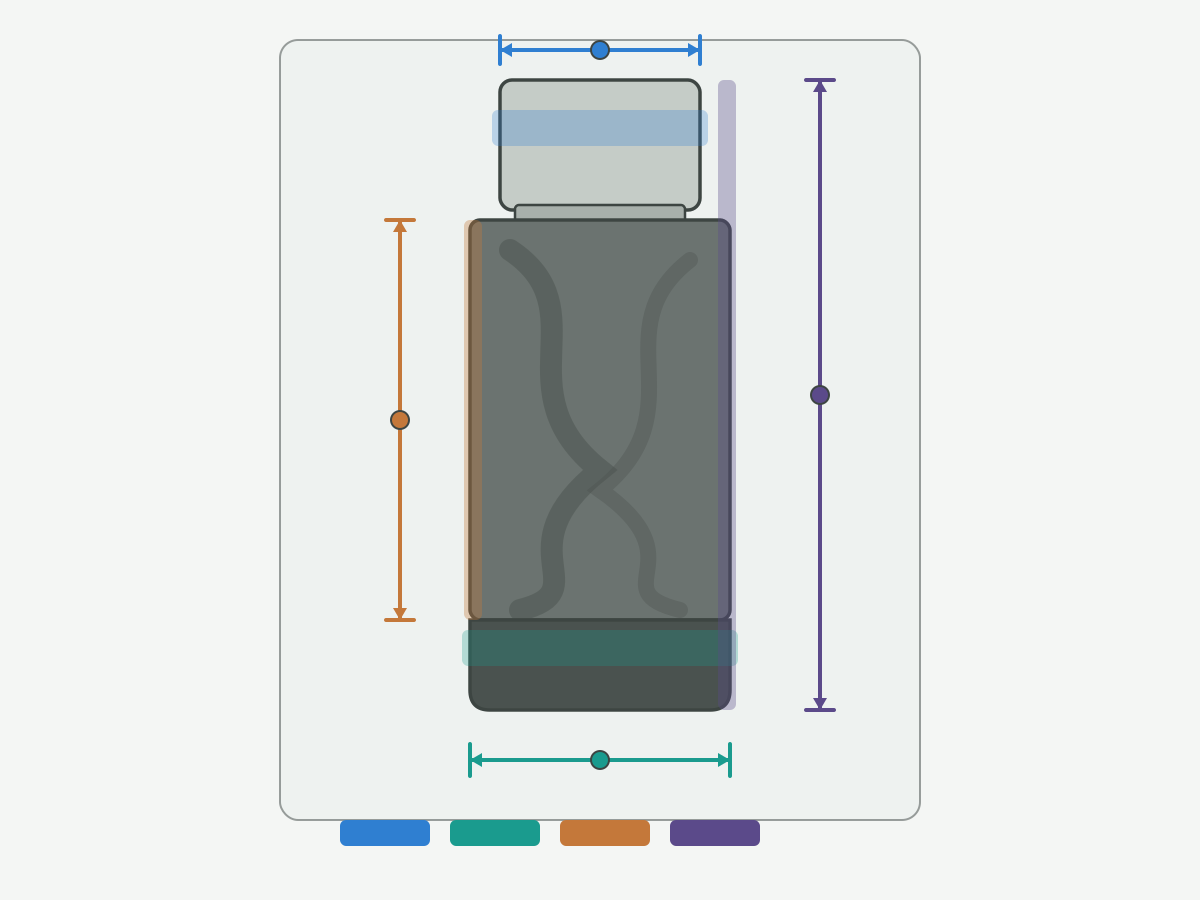
Schematic illustration: not a machine-ready size chart or catalogue ranking. Confirm diameter, shank, flute length, OAL, and stick-out method on your drawing and cutter data.
Metric versus inch size series
Metric and inch end-mill series are parallel product families. Converting a number on a calculator does not guarantee a stocked SKU, a matching shank, or a matching flute-length ladder. Prefer one system per package unless the print dual-dimensions a critical size.
- Pick the system the drawing uses: if the feature and tolerances are metric, start in metric diameters and lengths. If the package is inch-based, stay in inch series unless a dual-dimension note exists.
- Do not invent a "standard full chart": this page does not publish a complete catalogue of every stock diameter. Use your vendor list and drawing callouts. Instructional examples below are labeled hypothetical and are not a claim of universal stock.
- Shank and holder compatibility: a metric cutting diameter in an inch collet (or the reverse) is a holder problem, not a marketing opportunity. Confirm shank series and holder capacity before you freeze OAL.
- Tolerance language: h6 / minus-tolerance shank notes and cutting-diameter tolerances belong on the print or cutter print, not as invented life or price claims. Metrology literacy such as this public metrology laboratory entry and this weights and measures overview supports how you name acceptance.
- Out of OWN here: full SFM libraries (soft-note until live), coating family encyclopedias beyond the live coatings guide, and holemaking size OWN.
Practice portals such as this cutting tools practice overview and CNC milling literacy such as this CNC milling overview support reading size symptoms; they are not HC shop results. Standards literacy such as this codes and standards portal, this international standards overview, and this national standards overview frames industry naming only.
| Decision | Prefer when… | Prefer caution when… | Stop / escalate when… |
|---|---|---|---|
| Stay metric | Print and tolerances are metric; holder stack is metric-capable | Only inch stock is available and no dual-dimension exists | Team "converts" every SKU without checking stock or shank |
| Stay inch | Print and holder stack are inch-based | Critical corner radii are stated only in metric without conversion notes | Nobody will state which system owns the acceptance gauge |
| Dual-dimension package | Print explicitly dual-dimensions critical sizes | Informal shop conversion without a revision | Two systems disagree on the same feature without an owner |
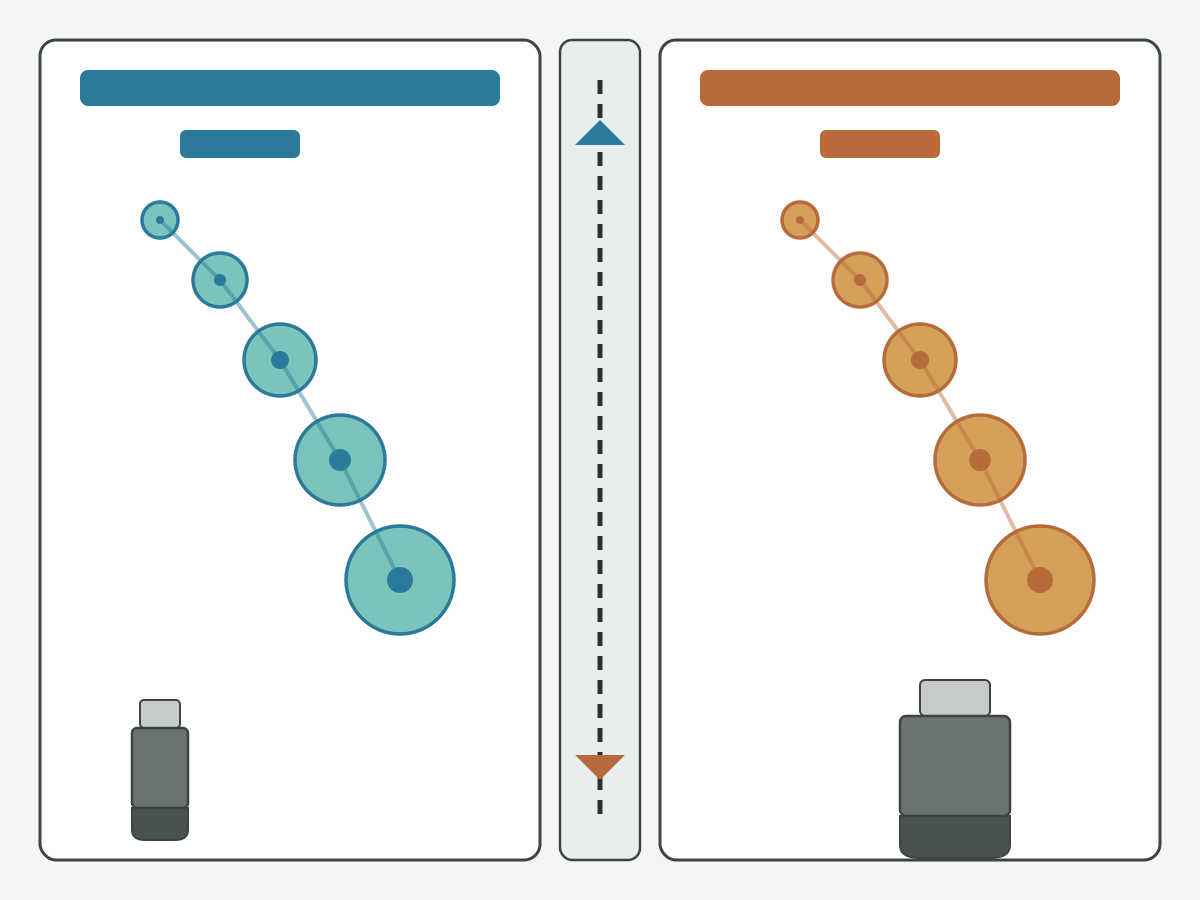
Schematic metric-versus-inch series illustration: boundaries only, not a catalogue ranking. Confirm unit system and shank fit on your print and holder stack.
Ball-nose, corner-radius, and T-slot size boundaries
Geometry families share diameter language but differ in how length and corner callouts consume the size envelope. Lock family after the diameter and length fields, not before.
- Square / flat end: corner is sharp or micro-chamfered per print. Diameter and flute length dominate wall and slot sizing. Live constructions for solid carbide families sit on carbide end mills.
- Ball-nose: the ball radius is half the cutting diameter on a full ball. Effective depth and cusp height depend on step-over and how much of the ball is engaged. Do not treat ball diameter as interchangeable with a square-end "same Dc" without checking the 3D feature. Live framing: ball nose end mills.
- Corner-radius: a defined corner radius (not a full ball) blends wall and floor strength. Radius must fit the print's corner callout and still leave stock for finish if a separate finish cutter is planned. Live framing: corner radius end mills.
- T-slot size notes: T-slot cutters add neck diameter, cutter width, and undercut depth callouts beyond ordinary end-mill OAL language. Size the neck and cutter width to the T-slot standard or print, then confirm reach under the flange. When a PCD T-slot construction is the intent, browse live notes on PCD T-slot cutters.
- Peripheral and climb context: wall engagement geometry stays on the live peripheral milling guide; feed sense stays on the live climb vs conventional milling guide. Size selection here does not rewrite those OWN pages.
Third-party tooling literacy such as this engineering calculators portal and this cutting data notes portal adds context for naming diameter and engagement; neither is an HC trial result. Research society literacy such as this CIRP research portal frames process research boundaries only.
Teaching example: deep pocket reach vs short-stub rigidity (instructional)
Instructional / hypothetical example only. This is not a verified HC customer case and invents no life, scrap rate, cycle-time, price, or ROI claims. Numeric sizes below are teaching placeholders, not a claim of universal stock or a "standard full chart."
Imagine two shops cutting a closed pocket in the same alloy family. Walk selection in this order and stop when an input is missing:
- Confirm the drawing revision, pocket depth, corner style, and whether diameter is already specified on the setup sheet.
- Shop A: needs reach into a deep pocket. A longer flute length and longer stick-out look tempting. Before freezing, check whether a smaller diameter with a reduced neck, or a two-pass strategy (rough with a stubbier cutter, finish with a longer reach), meets the print without inventing a stiffness claim.
- Shop B: needs floor flatness and quiet walls on a shallower pocket. A shorter stick-out and a larger diameter family (within the feature clearance) are more plausible for rigidity. Do not copy Shop A's long projection by habit.
- Both shops: lock metric or inch series, name ball-nose versus corner-radius if the floor blend requires it, and leave numeric speed-feed blanks until cutter data and a controlled trial fill them.
- Agree the measure method for diameter at the wall, depth, and corner blend, then open RFQ if the SKU is still open.
Information gain: reach and rigidity trade for the same nominal diameter. Two incomplete candidates beat one invented universal "standard size."
Accessibility and rigidity decision
Reach without rigidity control is a vibration and taper risk. Rigidity without reach fails the feature. Decide with callouts, not with slogans.
- Prefer shorter stick-out when the feature allows: less projection usually improves stiffness for the same diameter. Measure stick-out the way your holder gauge requires.
- Increase diameter only inside clearance: a larger Dc helps core stiffness but must still clear walls, fixtures, and corner radii. Do not "upsell" diameter past the print.
- Extra flute length is not free: unused flute below the cut still changes mass and chip behavior. Match flute length to depth plus an agreed chip margin.
- Reduced neck / relief: necks buy wall clearance at the cost of local stiffness. Record neck diameter and length on the sheet when used.
- Symptom loop: taper, chatter marks, or undersize walls can come from long stick-out as easily as from the wrong feed sense. Check projection and holder before swapping coating families or inventing SFM. Coatings stay on the live end mill coatings guide; speeds-and-feeds libraries remain soft-note until live.
Tool holder technology literacy such as this tool holder technology overview and coolant know-how such as this coolant know-how overview support setup boundaries beside size. They do not invent your print's tolerance or a price.
| Check | Pass when… | Fail / hold when… | RFQ note |
|---|---|---|---|
| Diameter family named | Dc and corner style match the feature clearance | Dc chosen only because "it was in the drawer" | State Dc and corner intent |
| Shank / holder fit | Shank series fits the holder capacity | Mixed metric/inch shank without a plan | State shank and holder type |
| Flute length vs depth | Flute length clears depth with agreed margin | Depth exceeds flute with no second tool | Flag depth vs flute |
| OAL vs envelope | OAL fits machine and magazine / spindle envelope | OAL collides with enclosure or neighbor tools | State envelope limit |
| Stick-out method | Projection measurement method agreed | Operators use OAL as stick-out | Write the gauge method |
| Unit system | Metric or inch owned for the package | Silent dual conversion | State system on the sheet |
Drawing callouts and procurement checklist
Write what the cutter must satisfy. Final SKU is optional when the drawing and constraints are complete.
- Drawing and feature: revision, pocket or wall notes, corner style (sharp, corner-radius, ball), acceptance method for size and blend.
- Diameter and shank: cutting diameter family, shank diameter / series, holder type.
- Lengths: flute (cutting) length versus feature depth; OAL versus envelope; stick-out method and target band.
- Unit system: metric or inch; dual-dimension notes if any.
- Geometry family: square / flat, ball-nose, corner-radius, or T-slot size intent (neck / cutter width when T-slot).
- Material and coating (pointer only): grade and condition; coating intent deferred to the live coatings guide after size is locked.
- Engagement and sense: target ae/ap as symbols or measured bands; climb versus conventional if already locked on the sister guide.
- Production intent: quantity intent and repeat need (qualitative is enough; no invented ROI).
Browse live constructions here: carbide end mills, ball nose end mills, and corner radius end mills. Open the request form when the package is ready: custom cutting tool RFQ.
Procurement checklist (RFQ inputs)
Send what you know. Leave speed-feed and life fields blank when unverified. Do not invent catalogue-wide "standard" diameter tables in the enquiry.
- Drawing revision and feature notes (depth, clearance, corner).
- Cutting diameter, shank, flute length, OAL, and stick-out method.
- Metric or inch series ownership.
- Geometry family: square / flat, ball-nose, corner-radius, or T-slot (with neck / width if needed).
- Holder type and envelope limits.
- Material grade / condition (coating intent may be "open" pending the coatings guide).
- ae / ap and feed-sense notes if already locked.
- Acceptance method for size and blend; identifiers for repeat orders.
Open the request form: custom cutting tool RFQ.
Confirm the specification with engineering support
Before production ramp, confirm diameter, shank, flute length, OAL, stick-out method, unit system, and geometry family with engineering. Hand the package to a product and RFQ path that can return a matched end-mill size proposal, not a generic catalogue guess. HENTRY / HC supports drawing-based solid carbide, ball-nose, and corner-radius end-mill proposals and engineering review. No price, MOQ, or unverified lead time is stated on this page.
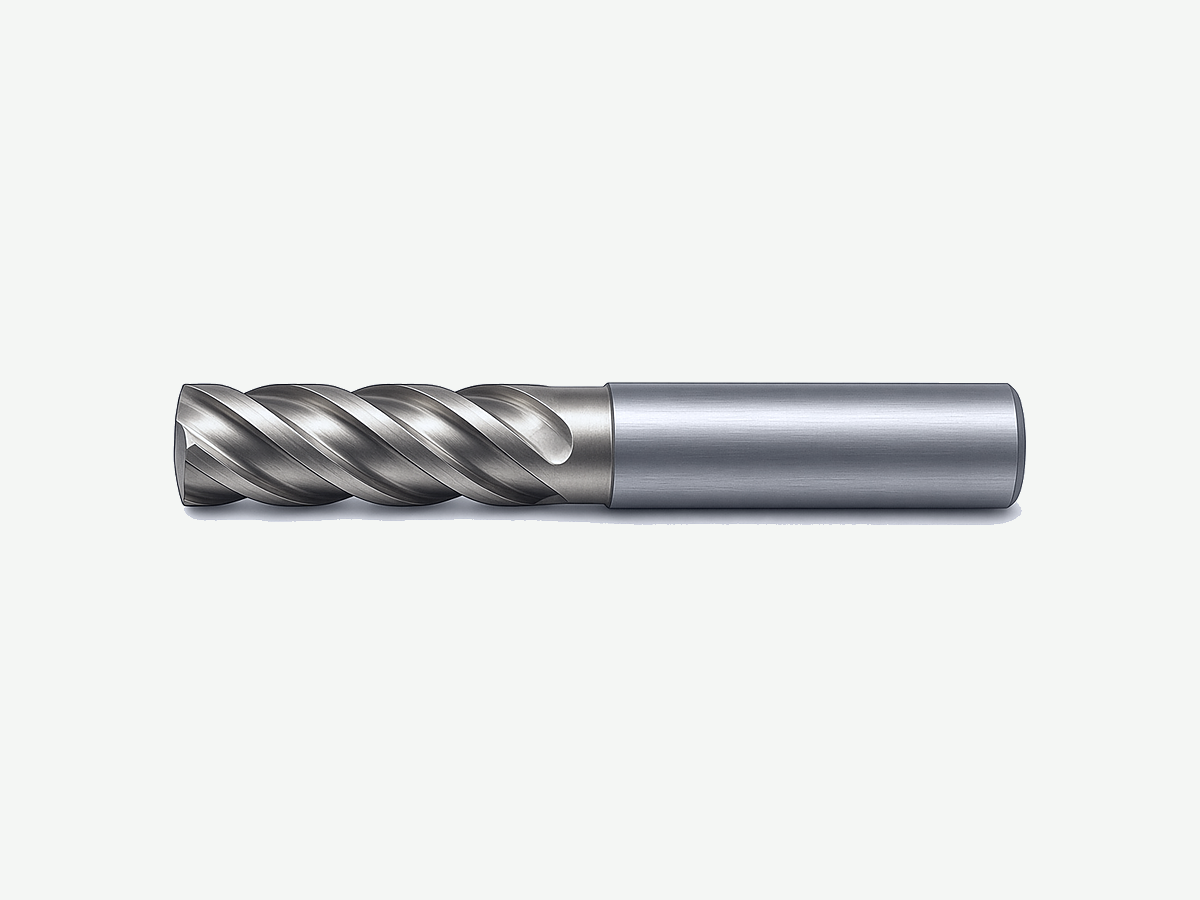
Specification fields to confirm
- Proposed tool model or drawing.
- Cutting diameter, shank, flute length, OAL, and stick-out method versus feature depth.
- Metric or inch series ownership.
- Geometry family (square / flat, ball-nose, corner-radius, or T-slot size notes).
- Holder type and machine envelope limits.
- ae / ap and feed-sense notes agreed for first-off.
- Inspection and sample acceptance expectations.
- Identifiers needed for repeat orders.
Trial plan (minimum)
- Same drawing revision and acceptance criteria as the checklist.
- First-off record before any compensation edit.
- Stop and escalate when size drifts, marks look abnormal, or the tool collides with the envelope.
- Do not claim the route "won" without those controls.
Review listed constructions here: explore carbide end mills · explore ball nose end mills · explore corner radius end mills. Research and practice portals such as this CIRP research portal (also cited above for process research framing) and ISO public information such as this international standards overview support industry literacy only.
Request a matched end-mill size proposal
Suggested enquiry subject: End mill sizes - [Dc / shank] - [flute / OAL] - [metric or inch] - [ball / corner / T-slot] - [feature]
End Mill Sizes FAQ
What size fields must I lock on an end mill?
Lock cutting diameter, shank diameter, flute (cutting) length, and overall length, then record stick-out with the measurement method your holder uses. Do not treat catalogue OAL as stick-out. Geometry family (square, ball-nose, corner-radius, or T-slot) comes after the size envelope.
How do I choose between metric and inch end mill sizes?
Follow the drawing's unit system and the holder stack. Metric and inch series are parallel families, not free conversions of every stock-keeping unit. Prefer one system per package unless the print dual-dimensions a critical size. Do not invent a universal full-size chart.
When should I use a ball-nose versus a corner-radius size?
Use a ball-nose when the 3D surface or floor blend needs a full ball radius. Use a corner-radius when the print calls a defined corner blend that is not a full ball. Confirm diameter and length still clear the feature; do not copy a square-end overall length onto either family without re-checking.
How do T-slot cutter sizes differ from ordinary end mills?
T-slot cutters add neck diameter, cutter width, and undercut depth callouts beyond ordinary overall-length language. Size those fields to the print or T-slot standard, then confirm reach under the flange. Ordinary end-mill diameter and flute length alone are not enough.
How should I balance reach and rigidity?
Prefer the shortest stick-out that still reaches the feature. Increase diameter only inside clearance. Extra unused flute length is not free stiffness. Check projection and holder before blaming coating or inventing speeds. Record the stick-out method on the setup sheet.
Which inputs should I send in an RFQ for end mill size selection?
Send drawing revision, feature depth and clearance, cutting diameter and shank, flute length and overall length, stick-out method, metric or inch ownership, geometry family, holder and envelope limits, material notes, and acceptance method. Final stock-keeping unit is optional when constraints are complete. Leave unverified life and price fields blank.
Does this page replace coatings, speeds-and-feeds, or the milling tools guide?
No. Cutter-type navigation stays on the live milling tools guide. Coating selection stays on the live end-mill coatings guide. Full speeds-and-feeds libraries and a general cutting-tool coatings encyclopedia belong on their own pages when live. This page owns diameter, shank, flute length, overall length, unit-system gates, geometry-family size boundaries, reach versus rigidity, and the RFQ checklist only.
When does this page not apply?
It does not apply when you need invented life percentages, prices, ROI, or unverified case counts; when you need a fabricated standard full catalogue chart; when you need a coating encyclopedia, speeds-and-feeds library, climb-versus-conventional long guide, peripheral process book, or holemaking size OWN; or when diameter, length, and unit system are missing and nobody will stop to state them. Fix the inputs first.
Sources and related guides
Outbound references support milling and formula literacy, toolholding and coolant boundaries, standards and metrology portals, cutting-data literacy, CNC milling practice, and manufacturing research portals cited in the body. Manufacturer-specific cutting data remain tied to their own products. The deep-pocket reach versus short-stub walkthrough is an HC editorial teaching aid, not a measured customer result. Sources checked for this draft on 22 October 2026 (Asia/Shanghai).
- Milling knowledge overview (third-party education page; linked in body)
- Machining formulas overview (third-party education page; linked in body)
- Toolholding overview (third-party education page; linked in body)
- Tool holder technology overview (third-party education page; linked in body)
- Coolant know-how overview (third-party education page; linked in body)
- Engineering calculators portal (third-party tooling education; linked in body)
- Cutting data notes portal (third-party tooling education; linked in body)
- Codes and standards portal (public standards entry; linked in body)
- Public metrology laboratory entry (public metrology entry; linked in body)
- Weights and measures overview (public metrology entry; linked in body)
- National standards overview (public standards entry; linked in body)
- International standards overview (public standards entry; linked in body)
- Manufacturing society portal (public manufacturing literacy; linked in body)
- CIRP research portal (third-party research society; linked in body)
- Cutting tools practice overview (third-party education page; linked in body)
- CNC milling overview (third-party education page; linked in body)
Related live guides: milling tools guide · peripheral milling · climb vs conventional milling · end mill coatings · carbide end mills · ball nose end mills · corner radius end mills · PCD T-slot cutters · custom cutting tool RFQ. Speeds-and-feeds libraries and a general cutting-tool coatings encyclopedia will be linked here after they publish (soft-note only until live).