
Search results for types of reamers often mix catalog SKU lists, HSS brochure pages, and PCD deep guides on one screen. Process engineers then open several tabs and still lack a single place to decide material and structure first, separate machine reamers from hand or adjustable uses, then check hole type, flute style, and stock allowance before they request a reamer review.
HENTRY publishes this guide as a process-selection page for reamer types and materials. You walk tool material and structure (HSS, carbide, PCD), then machine versus other use contexts, then hole type, flute style, and stock allowance, then tolerance and surface inputs, then the live product path. The page does not host a fake HSS stock matrix, a DIY hand-reamer tutorial, or unverified life claims. Product families and buy-select geometry belong on the reamer-tool, carbide-reamer, and PCD-reamer product pages; here you finish selection checks before you request a reamer review.
Material & structure jumps to the HSS, carbide, and PCD checklist. Product path opens the live family routing and RFQ field list.
Choose reamer type by material and structure first: HSS for general or interrupted work, carbide for wear and volume, PCD when nonferrous abrasives justify it. Separate machine reamers from hand or adjustable uses, then check hole type, flute style, and stock allowance. Lock tolerance and surface inputs next. Product families live on the reamer-tool, carbide-reamer, and PCD-reamer pages; this guide finishes selection checks before you request a reamer review.
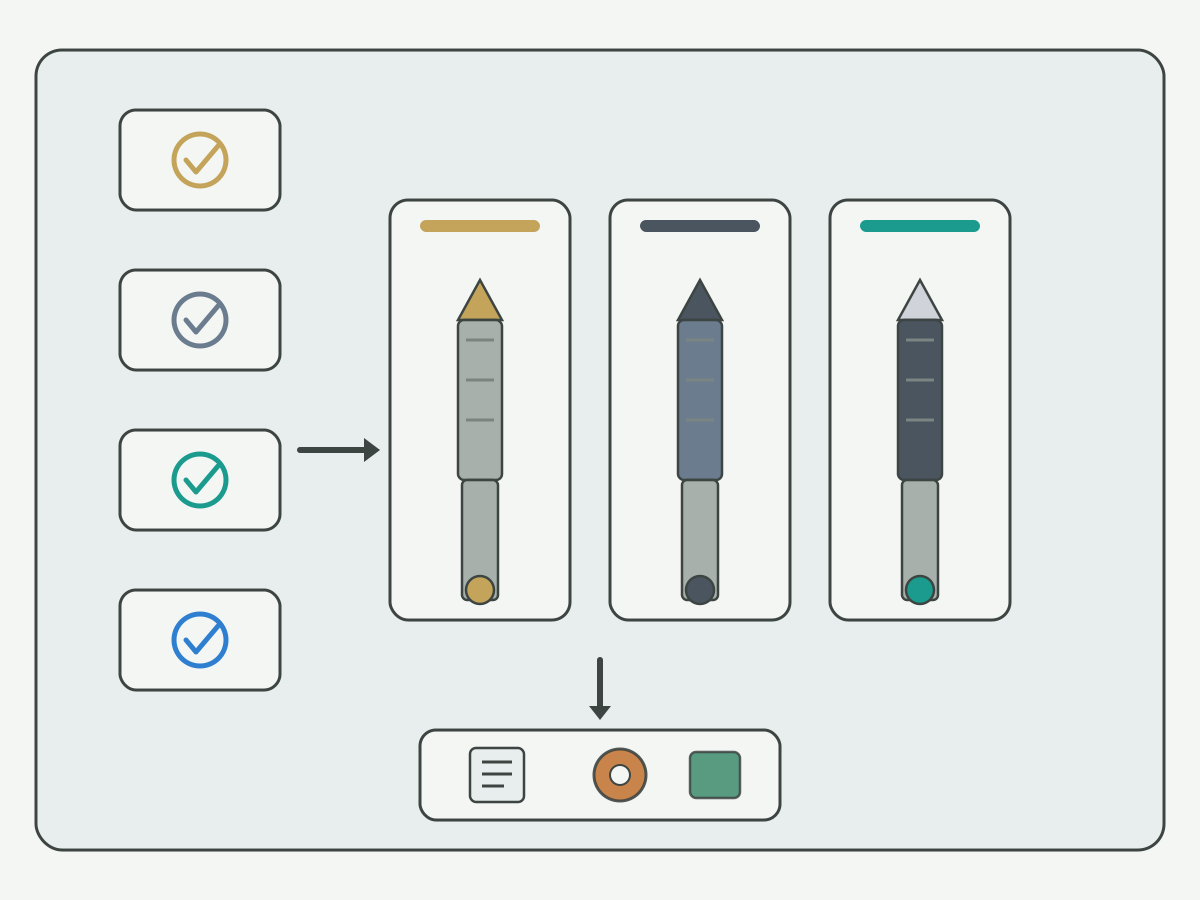
Tool Material & Structure: HSS vs Carbide vs PCD
Use the material and structure checklist below as a shop-dependent routing aid, not as a guarantee of tool life, surface finish, or a fixed HENTRY stock catalog. Typical industry groups help you ask better questions; blank cells stay blank until application engineering confirms them for your material, machine, and drawing.

| Path | When shops often consider it | Structure checks | Leave blank if unknown |
|---|---|---|---|
| HSS (incl. cobalt as industry group) | General work, low to mid volume, interrupted cuts, or setups that are sensitive to rigidity | Solid body habits, shank style, flute count tendency | Yes; leave blank rather than filling a fake HENTRY HSS SKU matrix |
| Carbide (solid or tipped) | Wear-limited jobs, higher cutting speed tendency, volume, and tighter size control | Solid vs tip, tip length, shank and coolant features | Yes; confirm with application engineering |
| PCD | Non-ferrous and abrasive non-ferrous work (for example high-silicon aluminum) when abrasives justify it | Tip geometry, edge prep class, coolant and chip path | Yes; confirm workpiece and interruption |
Start with the workpiece material group and the duty the reamer must finish. HSS remains a common industry path for general or interrupted work when toughness and forgiving setups matter more than peak wear life. Cobalt HSS appears in industry discussion as a tougher HSS group, not as an HENTRY inventory list. This page teaches HSS as a material option only. HENTRY does not publish a fake HSS catalog URL here; when an HSS path is still open after the checklist, route it through application review and the RFQ package rather than filling stock SKUs this page does not list.
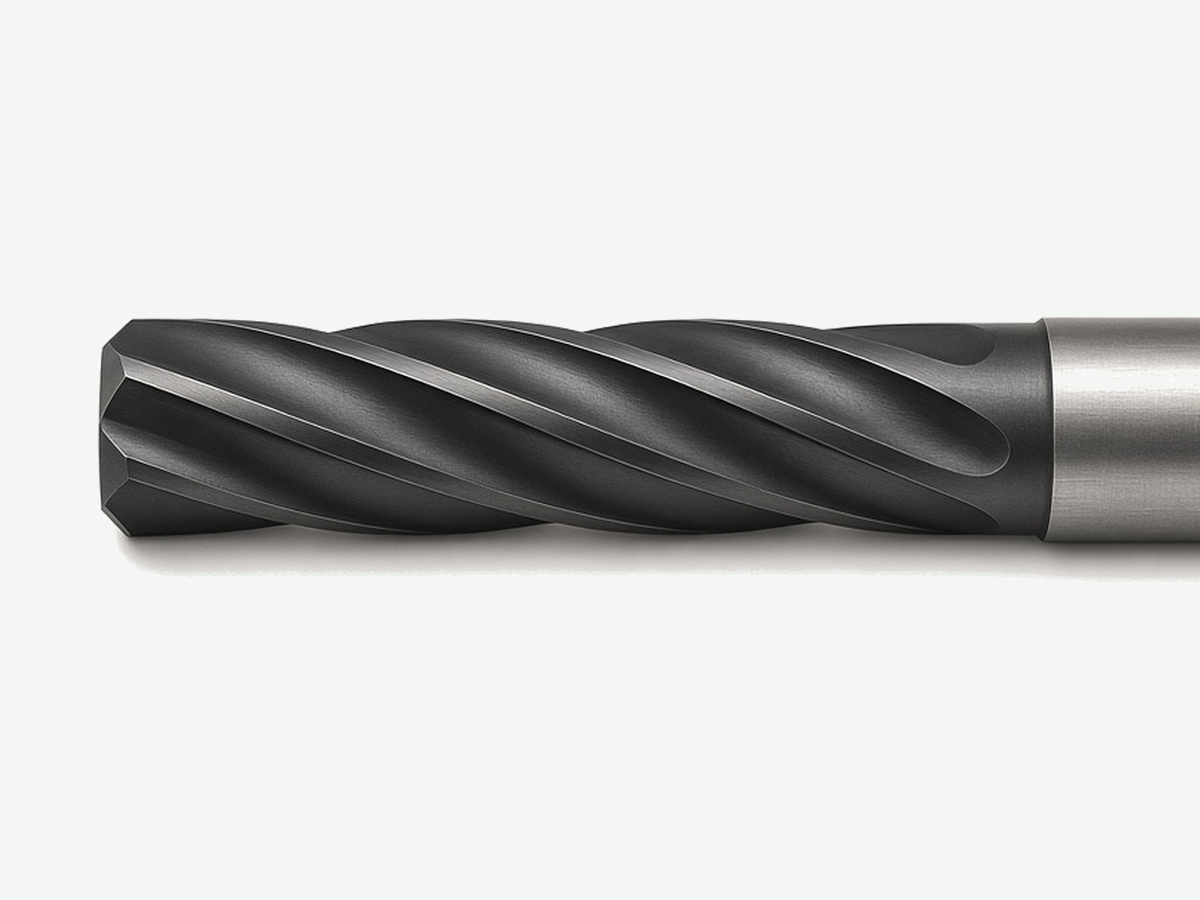
Carbide often enters when wear, speed, volume, or tighter size control dominate. Solid carbide and tipped carbide are structure choices, not nicknames for guaranteed Ra or life. Write solid versus tip, tip length, shank style, and coolant features on the traveler before you treat any carbide series as automatic. When the checklist still points to a published carbide family, open the live product path after you finish the confirm list rather than pasting a family table into this guide.
PCD enters when non-ferrous abrasives make carbide wear or built-up edge the dominant risk in industry practice. High-silicon aluminum and similar abrasive non-ferrous alloys are typical triggers, still as tendency language. Do not force PCD from brochure wording when the workpiece, interruption pattern, or machine rigidity do not support it. Deep PCD comparison and RFQ detail belong on dedicated Knowledge pages; this hub only names the boundary and routes family selection to the live PCD product entry later in the product path section.
Structure checks sit beside material, not after it. Overall versus tip construction, shank type, flute count tendency, and edge prep class change how the same material path behaves on a blind hole or a thin wall. Mark unknown structure cells engineering-confirm instead of filling them with catalog guesses. Shop-dependent results still need application engineering confirm before you treat any path as locked.
For a side-by-side PCD versus carbide deep read after this hub names the boundary, use the live PCD reamer vs carbide reamer guide. Keep the full comparison table there; this page only decides whether PCD even enters the traveler.
Machine Reamers vs Other Use Contexts
Taxonomy comes next so the traveler does not mix a CNC machine reamer with a hand or adjustable label from a neighboring job. The notes below are use-context labels, not a DIY hand-reaming tutorial and not an HENTRY product push for hand tools.
Machine / chucking reamers are the main CNC and machine-tool path on this site. They typically run in a chuck, collet, or holder under programmed feed and speed, with coolant and rigidity controlled by the setup. When the print calls for production hole finishing on a machining center or lathe, start here unless a special taper or expansion context is already named.
Hand reamers appear in industry discussion for manual or bench finishing, often with a square drive and a longer taper lead. Treat them as a taxonomy note only. This guide does not expand DIY steps, hand-feel rules, or HENTRY hand-reamer SKUs. If a hand context is still open after review, keep it as an application note rather than rewriting this page into a bench manual.
Adjustable / expansion reamers and taper-pin or Morse taper styles belong as type notes when the print or fixture already forces them. Expansion geometry can help limited diameter windows in some shops; taper styles serve taper-pin or taper-shank finishing contexts. None of those labels replace the material and structure checklist above. Name the use context, then return to material, hole type, and tolerance inputs before you pick a family.
The practical question for most readers of this page is when to stay on the machine-reamer path. If the hole finishes under CNC control, with a defined pre-hole, stock allowance, and inspection plan, keep the traveler on machine / chucking language. Only rename the context when the print or process sheet explicitly calls for hand, adjustable, or taper finishing. Do not treat hand or adjustable labels as the default HENTRY product line.
Hole Type, Flute Style & Stock Allowance
After material and use context, lock hole type, flute style, and stock allowance as a checklist. Treat ranges as industry orientation, not as guaranteed millimeter windows from this page.
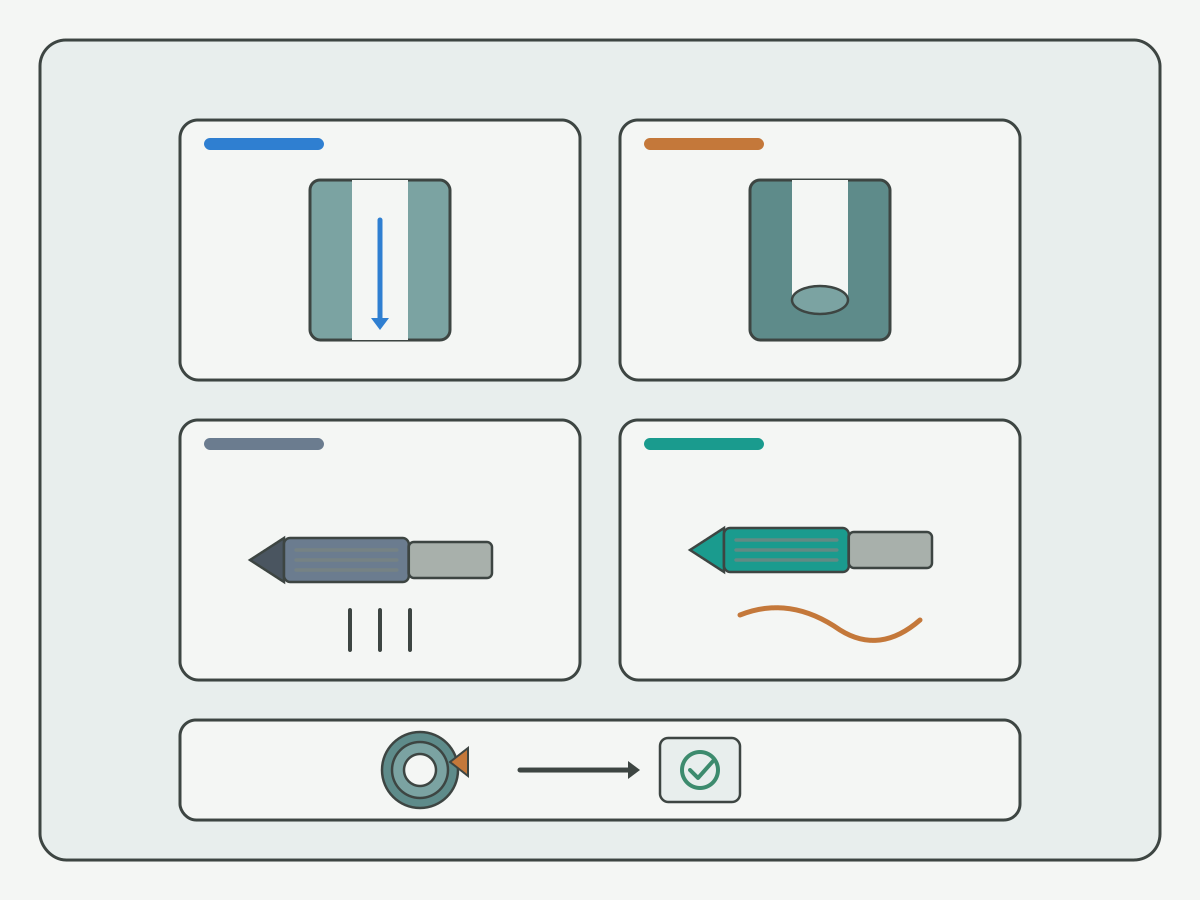
| Check | What to lock | Industry checklist notes | Leave blank if unknown |
|---|---|---|---|
| Hole type | Through vs blind; depth to diameter; bottom clearance | Blind holes raise chip and coolant questions; through holes ease exit chip flow | Yes |
| Flute style | Straight vs helical tendency; chip direction | Straight flutes often discuss brittle or short-chip habits; helical flutes often discuss tougher chips and evacuation | Yes; confirm with engineering |
| Stock allowance | Pre-hole size vs finished size; remaining radial stock as checklist | Industry ranges vary by diameter and material; do not publish a fixed mm promise here | Yes; blank beats a guessed number |
| Pre-hole quality | Drill wander, location, roundness tendency | A poor pre-hole can force oversize or taper before the reamer is at fault | Yes |
Through holes and blind holes do not share the same chip and coolant story. Blind holes often need flute and coolant notes on the same traveler line as depth. Through holes still need exit burr and support notes when the wall is thin. Write the hole type before you copy a flute style from a neighboring diameter.
Straight versus helical flute language is tendency language only. Straight flutes often appear in brittle or short-chip discussions; helical flutes often appear when tougher chips and evacuation dominate. Helix direction and lead also change how the tool pulls or pushes in a given holder. Leave unknown helix cells blank until application engineering confirms them for your material and machine.
Stock allowance sits after pre-hole quality, not before it. Shops sometimes paste a familiar allowance from another diameter and then blame the reamer when location or roundness was already out. Record the planned pre-hole process, the finished size, and whether the allowance is still a checklist blank. This page does not publish a permanent millimeter band as an HENTRY measured guarantee.
When the next question is whether a combination drill-reamer even belongs in the process instead of a separate reamer pass, open the live when to use a combination drill-reamer guide. That guide owns the combination-tool decision; this page only locks hole, flute, and allowance inputs for the reamer path.
Tolerance & Surface Requirement Inputs
Tolerance and surface inputs belong on the traveler before you name a product family. Treat H7, H8, and similar classes as input labels, not as a promise that any reamer path will hit them on every machine.
Record the tolerance class or numeric window the print actually calls, how the hole will be checked, and any roughness or roundness notes that matter for acceptance. Coolant delivery, holder rigidity, and spindle condition move the same reamer into different outcomes even when the material path stays fixed. Mark those setup notes beside the tolerance line rather than treating class language as a stock promise.
For H7-class hole detail after this page names the input, use the live reamer tolerance for H7 holes guide. Keep the deep tolerance walk-through there. For oversize and related diagnosis after a trial fails, use the live reamer cutting oversize causes page. This hub only lists tolerance and surface as selection inputs.
Do not publish absolute surface-finish guarantees, life curves, or price claims from a tolerance nickname. If a numeric prove-out window is required, it belongs on an approved process sheet after engineering confirm, not as a permanent claim in this Knowledge body. Incomplete prints should keep blanks rather than guessed Ra or IT digits.
Product Selection Path
When material, use context, hole and flute checks, and tolerance inputs are named, route to live product families. This section is a path map, not a second product catalog.
| Decision after checks | Where to go | What that page owns |
|---|---|---|
| General reamer family / parent routing | Live reamer-tool product page | Family overview and buy-select entry |
| Carbide reamer path locked | Live carbide-reamer product page | Carbide family geometry and selection |
| PCD reamer path locked | Live PCD-reamer product page | PCD family geometry and selection |
| HSS path still open | Application review / RFQ (no HENTRY HSS catalog URL) | Teaching only on this page; no fake SKU matrix |
Open the live reamer tool product page when you need the parent family overview after selection inputs are locked. Open the live carbide reamer product page when the checklist points to carbide solid or tipped paths. Open the live PCD reamer product page when non-ferrous abrasives justify the PCD boundary already named above.
HSS stays a material teaching path on this site until a dedicated HENTRY HSS catalog page exists. There is no separate HENTRY HSS product URL to open from this guide. If HSS remains the correct tendency after the checklist, send material, hole, flute, allowance, and tolerance notes through application review with the RFQ package.
RFQ fields that usually speed review include workpiece material and hardness band, hole type and depth, pre-hole process, stock allowance tendency, tolerance and roughness targets, flute preference if any, coolant practice, holder interface, quantity or trial window, and whether carbide or PCD is already preferred. Leave unknown cells blank. Indexable drill families sometimes sit beside a reamer discussion in shop talk; HENTRY does not publish a live indexable-drills product page here yet, so this guide names that track in text only and does not add a product link.
Process Guide vs Product & Deep Pages
Readers sometimes want one page that both teaches reamer types and sells every SKU. On this site that split is intentional. Knowledge pages lock type and material selection. Product pages carry family geometry and purchase selection after those inputs are clear. Deep Knowledge pages own tolerance, oversize diagnosis, drill-versus-reamer, combination tools, and PCD specialty topics.
| Page | What it covers | How to use it with this guide |
|---|---|---|
This guide (/resources/reamer-types-materials) | Types + material selection hub; machine vs other contexts; hole/flute/allowance; tolerance inputs; product path | Decide selection inputs and RFQ package here |
| Reamer-tool / carbide-reamer / PCD-reamer product pages | Family / buy-select geometry | Use the live product entries already linked in the product path section |
| Deep Knowledge (tolerance, oversize, drill vs reamer, combination, PCD specialty) | Specialty process detail | Open only the deep page that matches the next question; already linked where context needs it |
| HSS catalog / indexable-drills product track | No public HENTRY HSS catalog page here; indexable-drills product page is not published yet | Named in text only on this guide; no product link until a live page exists |
Merging type selection into the product template would force either a catalog dump into this guide or a process essay into the product page. Both fail the split for this URL. Keep selection ownership here, and keep family selection on the product pages already linked above.
Related Live Links (Hard Links Only)
Each live page below owns a slice this guide must not dump. Open only the page that matches the next question. Product family links already appear once in the product path section; do not repeat those URLs here.
- PCD versus carbide deep comparison is already linked once in the material section; do not repeat that URL here.
- Combination drill-reamer process detail is already linked once in the hole and flute section; do not repeat that URL here.
- H7 tolerance detail and oversize diagnosis are already linked once in the tolerance section; do not repeat those URLs here.
- For drill versus reamer precision-hole framing, open the live reamer vs drill bit for precision holes guide when that is the next question.
- For a broader holemaking frame after type selection is locked, use the precision holemaking selection guide as an optional upper hub. This reamer-types page keeps material and type ownership.
Do not paste HSS stock matrices, unverified life claims, or full PCD specialty tables from any sister page into this guide. If a numeric window is required for prove-out, it belongs on an approved process sheet after engineering confirm, not as a permanent claim in this Knowledge body.
Evidence Notes and FAQ
Evidence on this page. The material and structure checklist, machine versus other use taxonomy, hole/flute/allowance checks, tolerance and surface inputs, and live product path are the owned artifacts. Schematics are illustrations for classification and setup orientation. Live product and guide links appear once each. No approved customer case package is attached, so no case percentages or life multipliers appear.
What is not claimed. Absolute tool-life guarantees, prices, stock promises, fake HENTRY HSS catalog matrices, and absolute surface-finish guarantees are out of scope. Product specification tables stay on the reamer-tool, carbide-reamer, and PCD-reamer product pages. DIY hand-reamer tutorials and unpublished product URLs stay out of the paste.
How to read illustrations. FIG1 shows the material and structure comparison checklist for HSS, carbide, and PCD paths. FIG2 shows hole-type, flute-style, and stock-allowance decision cues. FIG3 shows the product-path and RFQ field checklist. All three are illustrations for orientation. None is a customer case photo, and none should be read as a measured life claim.
Reamer Types and Materials FAQ
What are the main types of reamers?
Start with use context: machine or chucking reamers for CNC and machine-tool finishing, then hand, adjustable or expansion, and taper styles as taxonomy notes when the print forces them. This page does not expand a DIY hand-reaming tutorial. After the use context is named, return to material, hole type, flute, and tolerance checks before you open a product family.
When should I choose an HSS reamer?
HSS often enters for general work, low to mid volume, interrupted cuts, or setups that are sensitive to rigidity, still as industry tendency. Cobalt HSS appears as a tougher HSS group in industry discussion, not as an HENTRY inventory list. This site does not publish a fake HSS stock matrix. When HSS remains open after the checklist, route the package through application review with the RFQ fields named on this page.
When is a carbide reamer the better path?
Carbide often enters when wear, higher speed tendency, volume, or tighter size control dominate. Confirm solid versus tipped structure, tip length, shank, and coolant notes on the traveler. After those checks, use the live carbide-reamer product path already linked in the product path section for family selection. Do not treat a carbide nickname as a life percentage or stock promise.
When should I specify a PCD reamer?
PCD often enters for non-ferrous and abrasive non-ferrous work such as high-silicon aluminum when abrasives justify it in industry practice. Confirm workpiece, interruption, and machine rigidity before you leave carbide. After the boundary is named, use the live PCD-reamer product path already linked in the product path section. Deep PCD comparison and RFQ specialty detail stay on dedicated Knowledge pages.
How do hole type and flute style affect reamer selection?
Through versus blind holes change chip and coolant demands. Straight versus helical flute language is tendency language for chip type and evacuation. Stock allowance and pre-hole quality sit on the same traveler. Use the hole and flute figure on this page as orientation, then confirm shop-dependent cells with application engineering. This page does not publish a fixed millimeter allowance as a guarantee.
What tolerance and surface inputs should I put on the RFQ?
List tolerance class or numeric window, how the hole will be checked, roughness or roundness notes that matter, coolant practice, holder rigidity notes, material and hardness, hole type, pre-hole process, and stock allowance tendency. Leave unknown cells blank. Deep H7 and oversize pages already linked in the tolerance section own specialty detail; this FAQ only names the input list.
How is this guide different from the reamer product pages?
This page owns types and material selection, machine versus other use contexts, hole/flute/allowance checks, tolerance inputs, and the product path map. The reamer-tool, carbide-reamer, and PCD-reamer product pages own family geometry and buy-select. Do not copy product specification tables into this process guide.
How does a reamer differ from a drill for precision holes?
Drills primarily create or open the hole; reamers primarily finish size, roundness, and surface tendency after a suitable pre-hole and allowance. For the full precision-hole framing between the two tools, use the dedicated reamer versus drill guide linked in the Related Live Links section above. This FAQ stays on the short difference only; this page stays on reamer type and material selection.
Request Custom Cutting Tool Support
When the material path, hole and flute checks, and tolerance inputs still leave custom geometry, an HSS application review, or incomplete acceptance fields, send the RFQ package for review. Attach the material, hole type, pre-hole notes, allowance tendency, tolerance targets, flute preference if any, coolant, and holder interface you already filled so review starts from the same process boundary.
If the job is still a standard published reamer family after this guide, stay on the live reamer-tool, carbide-reamer, and PCD-reamer paths already linked above and bring only the missing confirm fields. Use the custom RFQ when the selection boundary, geometry, or acceptance package cannot be closed from a published series alone.