
Search results for types of thread taps often mix taper / plug / bottoming glossaries, form-versus-cut debates, and SKU catalogs on one screen. Process engineers then still lack a single place to match chamfer family and flute plan to a blind or through hole before they open an RFQ.
HC publishes this guide as a process-selection page for cutting-tap type choice by hole type. You lock flute and chamfer families first, then blind versus through conditions, then taper / plug / bottoming differences, then chip exit and usable thread depth, then selection and misuse checks into RFQ. The page does not host SKU tables, absolute depth stock matrices, unverified life claims, or public prices. Tap series and buy-select geometry belong on the taps product page. Form versus cut method detail stays on the live form tap vs cut tap guide. Unified pilot-hole charts live on the tap drill size chart, with size pages such as 1/4-20 and NPT tap drill sizes when the print needs those numbers. Aluminum mill-versus-tap path detail stays on thread milling vs tapping aluminum. Internal versus external route selection is a sibling Day8 page (soft-note until LIVE). Here you lock tap types for blind and through holes before RFQ.
Jump: Decision flow · Chamfer and flutes · Blind vs through · Taper, plug, bottoming · Chip exit and depth · Examples · Compare · RFQ checklist · Confirm · FAQ
Quick answer
- Name hole type and chamfer family together: through holes often favor longer chamfers that start easily; blind holes need a chamfer and flute plan that leave usable threads above the bottom without packing chips.
- Read taper, plug, and bottoming as depth and chip-exit tools, not brand ranks: taper starts gently; plug is a common production middle; bottoming finishes closer to a blind floor when clearance and chips allow. Do not treat any nickname as automatic.
- Lock usable thread depth, then trial and RFQ: write how many imperfect threads you can accept, run a controlled first-off, then open custom cutting tool RFQ with blanks left blank instead of invented digits.
Decision flow: hole type → chamfer → chip exit → depth → trial
Selection path (stop when a field is missing):
| Step | What you lock | If missing |
|---|---|---|
| 1 Hole type | Blind vs through named on the traveler | Stop; do not jump to a chamfer nickname |
| 2 Chamfer family | Taper, plug, or bottoming (or shop-equivalent) as the primary starter | Mark engineering-confirm; do not force habit |
| 3 Flute / chip plan | Straight, spiral, or forming lobes matched to exit direction | Do not invent a permanent packing rule here |
| 4 Usable depth | Full-thread length needed vs imperfect starter threads allowed | Escalate before production |
| 5 Trial and RFQ | First-off notes + matched RFQ package | Open RFQ with incomplete fields if needed |
Read the steps in order. Shops often over-weight a single catalog nickname such as "bottoming always for blind." That habit skips whether chips can leave the floor, whether the print even needs full threads to the bottom, and whether a plug plus a second finish pass is safer. Keep hole type and chamfer on the same traveler line.
Community complaints about "the blind hole packed until we broke the tap" and "the through hole tore the exit burr" map to missing chip-exit and depth fields, not to a brand failure story. Translate those complaints into three checks: hole type named, chamfer family named, usable depth named. If any check fails, the job is not ready for a feeds argument.
Public tapping literacy such as this tapping knowledge overview and this CNC threading and tapping overview helps name the conversation without inventing an HC stock list. Threading literacy such as this threading knowledge overview supports flank naming only. Standards literacy such as this codes and standards portal and this national standards overview supports thread-system naming. Metrology literacy such as this public metrology laboratory entry and this international metrology portal keeps units honest. Manufacturing research portals such as this public manufacturing programs entry and this international standards catalogue entry support process-boundary language. Toolholding literacy such as this toolholding technical tips overview and machining-data literacy such as this machining data literacy portal help name spindle and holder constraints without inventing HC feeds tables.
Flutes and entry chamfers: what the nicknames point to
Cutting taps remove chips. The entry chamfer (often discussed as taper, plug, or bottoming) is the lead that starts the thread before full-form teeth engage. Longer chamfers start more gently and leave more imperfect threads near the start; shorter chamfers reach full form sooner and need more care at the bottom of a blind hole.
Count imperfect threads the same way every shift. If one operator counts three and another counts five, usable depth math drifts and the "wrong tap type" complaint comes back. Put the count method on the traveler next to the chamfer family.
Flute style is a second axis. Straight flutes, spiral flutes, and spiral-point (gun) styles move chips differently. Spiral-point styles often push chips ahead on through holes; spiral flutes often lift chips back on blind holes when the helix and lubricant cooperate. Forming (roll) taps are a different mechanism entirely; their ductility and pilot gates belong on the form tap vs cut tap guide. Do not paste forming lobe nicknames into a cutting-chamfer decision without rewriting the traveler.
Lead length also interacts with material. Soft alloys can smear on a short lead if lubrication is thin; tough steels can grab a long lead if the sync falters. Keep material condition next to chamfer choice so you are not solving a chemistry problem with a nickname swap.
Shop language varies by region. Treat taper / plug / bottoming as teaching families, not as a universal ISO part number. If your crib uses different letters, map them to lead length and imperfect-thread count before you freeze the job.
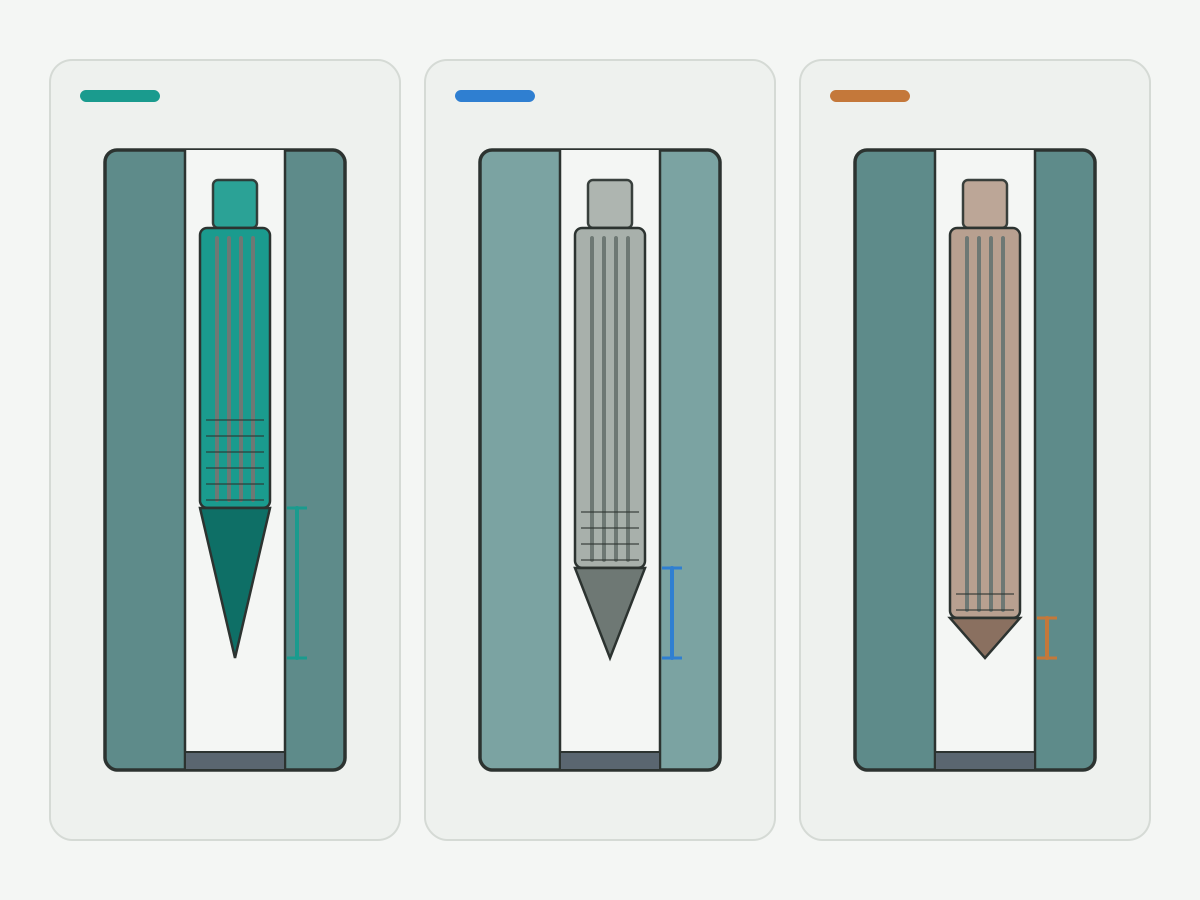
Schematic illustration - not a catalogue ranking or cutting-data table.
Blind holes versus through holes
A through hole lets chips (or formed material flow paths) leave the far side. That often favors styles that push chips forward and longer starting leads when the exit burr plan is under control. A blind hole stops at a floor. Chips that pack against the floor break taps; short leads that demand full threads to the floor without clearance also break taps.
Through holes in stacked plates can behave like blind pockets at the interface if chips catch between layers. Call stack-up on the traveler when parts are clamped as a sandwich. The chamfer family that works on a single plate may pack at the joint.
Write three numbers for blind work: drilled depth, required full-thread depth, and the imperfect-thread allowance you will accept near the start or near the floor. If those three cannot coexist with the chosen chamfer, change the chamfer, the drill depth, or the print expectation. Do not invent a universal "always bottoming" rule.
Blind holes in pockets with side ports are not "through" just because air can escape somewhere. If chips cannot leave along the flute path you planned, treat the hole as blind for tool choice. Side vents help coolant; they do not automatically forgive a packed floor.
Through-hole exits still need a burr and gauge story. A gun-style push of chips can help evacuation and still leave an exit burr that fails cosmetic or seal requirements. Put exit deburr on the traveler when the print cares.
Taper, plug, and bottoming: conditional differences
Taper leads are long. They start easily and leave more imperfect threads. They are often reviewed for tougher starts or when you will finish with a second tap. They are a poor default when the print needs nearly full threads in a short blind depth.
Plug leads are a common production middle. Many shops use plug as the default for through holes and for blind holes that still have room for a few imperfect threads. "Common" is not "always."
Bottoming leads are short. They reach full form sooner and are often reviewed when a blind floor must carry usable threads close to the bottom. They still need chip space and a realistic drill depth. A bottoming tap is not a license to ignore packing risk.
Do not equate bottoming with forming. A bottoming cutting tap still makes chips; a forming tap still needs a ductile window. Mixing those vocabularies on one traveler line is how wrong pilots enter the packet.
Sequence jobs exist: rough with a longer lead, finish with a shorter lead. Write both tools on the traveler. Do not hide a two-tap plan under a single nickname.
Chip exit and usable thread depth
Spiral direction and spindle handedness must match the plan. A flute that "should lift" can push if the program reverses or the holder floats. Confirm sync and holder type before you blame the chamfer family for a packed floor.
Chip exit is the difference between a clean gauge pass and a welded flute. Blind holes need a path up the flute or a peck / sync strategy the machine can actually run. Through holes need a path out the far side that does not destroy the exit. Lubrication or coolant must match the plan; a dry brochure claim is not a substitute for a film that reaches the teeth.
Usable thread depth is what the print and the mating part need, not what a marketing "full bottom" phrase suggests. Count imperfect starter threads against the required engagement. If engagement is short, a longer chamfer may fail the print even when the tap "feels easy." If engagement is deep but the floor is close, a short chamfer without chip space may fail the tool.
Holder projection and tap length must clear clamps and still leave chip space. A bottoming nickname cannot fix a collision sketch. If the only crib tool fails the sketch, change the route or open RFQ rather than forcing a near-miss setup.
Pilot-hole size still matters. Wrong pilots create torque spikes that look like "wrong tap type" failures. Keep size charts on the tap drill size chart and size pages; this page only flags that chamfer choice cannot rescue a bad prep hole.
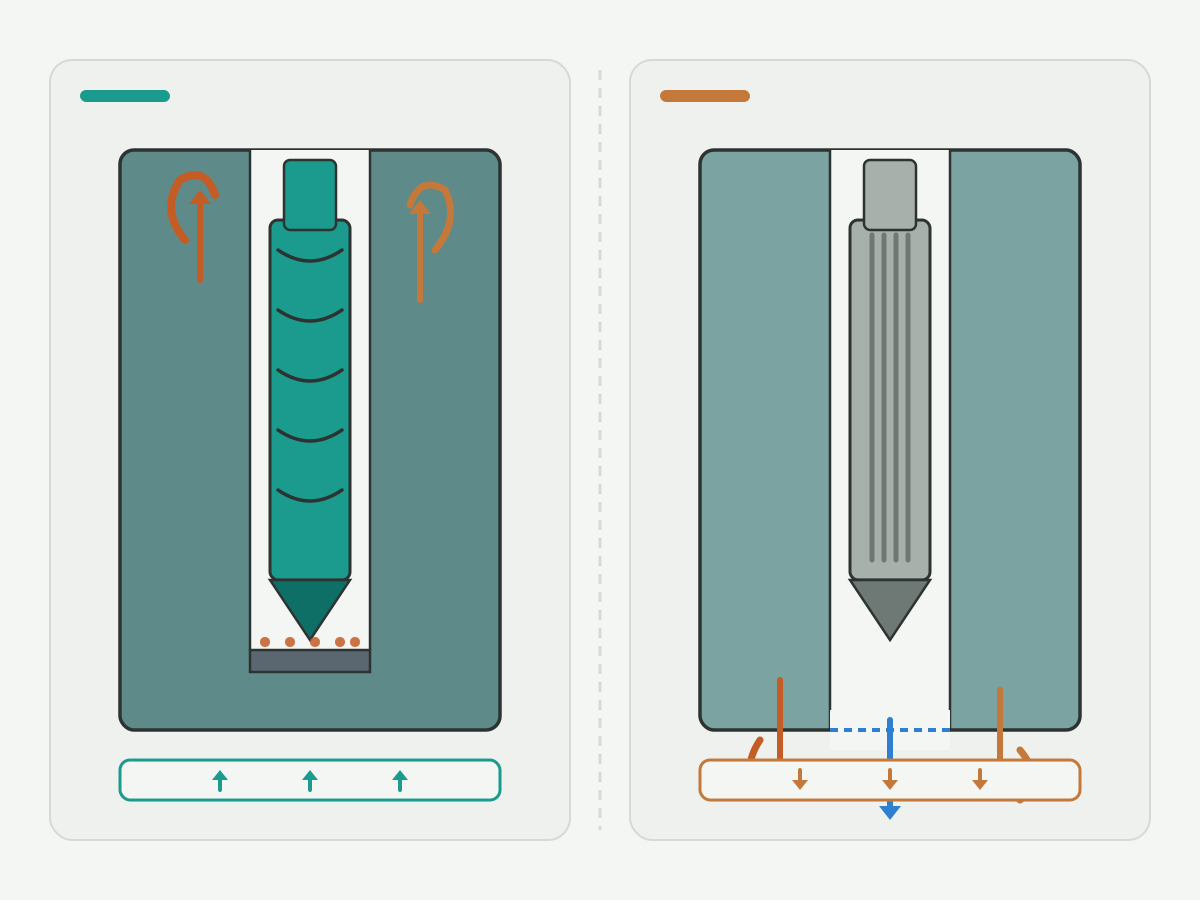
Schematic illustration - not a catalogue ranking or cutting-data table.
Worked examples (intent gates, not measured HC cases)
These examples are intent gates for traveler language. They are not measured customer results, life studies, or priced jobs.
| Situation | Hole | Chamfer tendency | Stop if missing |
|---|---|---|---|
| Through hole, standard fastener thread, clear exit | Through | Plug often first; spiral-point often reviewed | Exit burr plan, pilot size, torque window |
| Blind hole, needs threads close to floor | Blind | Bottoming often reviewed after depth math | Drill depth vs full-thread need, chip lift plan |
| Tough start, will finish with second tap | Either | Taper (or long lead) to start, then shorter finish | Two-tool sequence written on traveler |
| Blind pocket, chip packing history on similar jobs | Blind | Spiral flute + realistic depth; not "bottoming by habit" | Peck/sync and lube film confirmed |
Misuse patterns to flag on the traveler: bottoming into an un-deepened blind hole; taper-only when the print needs near-full short engagement; ignoring exit burr on a cosmetic through face; swapping forming and cutting nicknames mid-job. Each pattern is a missing field, not a mystery failure.
Use the examples as stop rules. If a Stop-if-missing cell is empty, do not promote the job to production feeds. Fill the cell, run a controlled first-off, or open RFQ with the blank visible.
If two chamfer families both look plausible, write both on the engineering note and settle with a first-off rather than inventing a universal ranking. Series selection continues on the taps product page after the type is locked.
Conditional compare: chamfer families (not a ranking)
| Question | Taper tendency | Plug tendency | Bottoming tendency |
|---|---|---|---|
| Start gentleness | Highest among the three families | Middle | Lowest (engages full form sooner) |
| Imperfect threads near start | More | Moderate | Fewer |
| Blind floor proximity | Often poor fit if depth is short | Often workable with clearance | Often reviewed when threads must run deep |
| When to pause | Print needs near-full short depth | Chip exit or depth math unclear | No chip space or drill-depth plan |
Read across a row, not down a marketing column. A cell that says "often" is a tendency under stated conditions, not a warranty. Form-versus-cut detail and pilot-hole numbers live on sibling pages on purpose so this compare table stays short.
This table is conditional teaching language. It does not rank brands, invent feeds, or promise life. Re-check every cell against the print, material condition, and machine list before production.
Procurement checklist (RFQ inputs)
If the print mixes pipe taper callouts with straight fastener threads, split the jobs. Chamfer families on this page do not replace system naming. Size-specific NPT literacy stays on its own chart page.
Before you open custom cutting tool RFQ, lock these fields or leave them explicitly blank:
- Hole type: blind or through (depth and exit notes)
- Thread system, nominal size, pitch, and class/fit intent from the print
- Chamfer family intent: taper, plug, bottoming, or two-tap sequence
- Flute or forming note; material grade and condition
- Usable full-thread depth and imperfect-thread allowance
- Machine and holder: rigid tap, sync, peck capability
- Quantity and timeline as known; leave unknown commercial fields blank (no invented price or life)
Browse other process guides from the resources hub when you need a sibling chart. Do not paste unfinished numbers into the RFQ to look complete.
Confirm the specification with engineering support
When the traveler still has open fields on hole type, chamfer, chip exit, or depth, stop guessing. HC engineering review can help match drawing language to a tap type without publishing a public price list. Default engineering sign-off for Knowledge bylines is Jiack Liu, Engineering Director; Operations Director Kevin Zeng owns the published process framing. Do not invent a Reviewed date in paste.
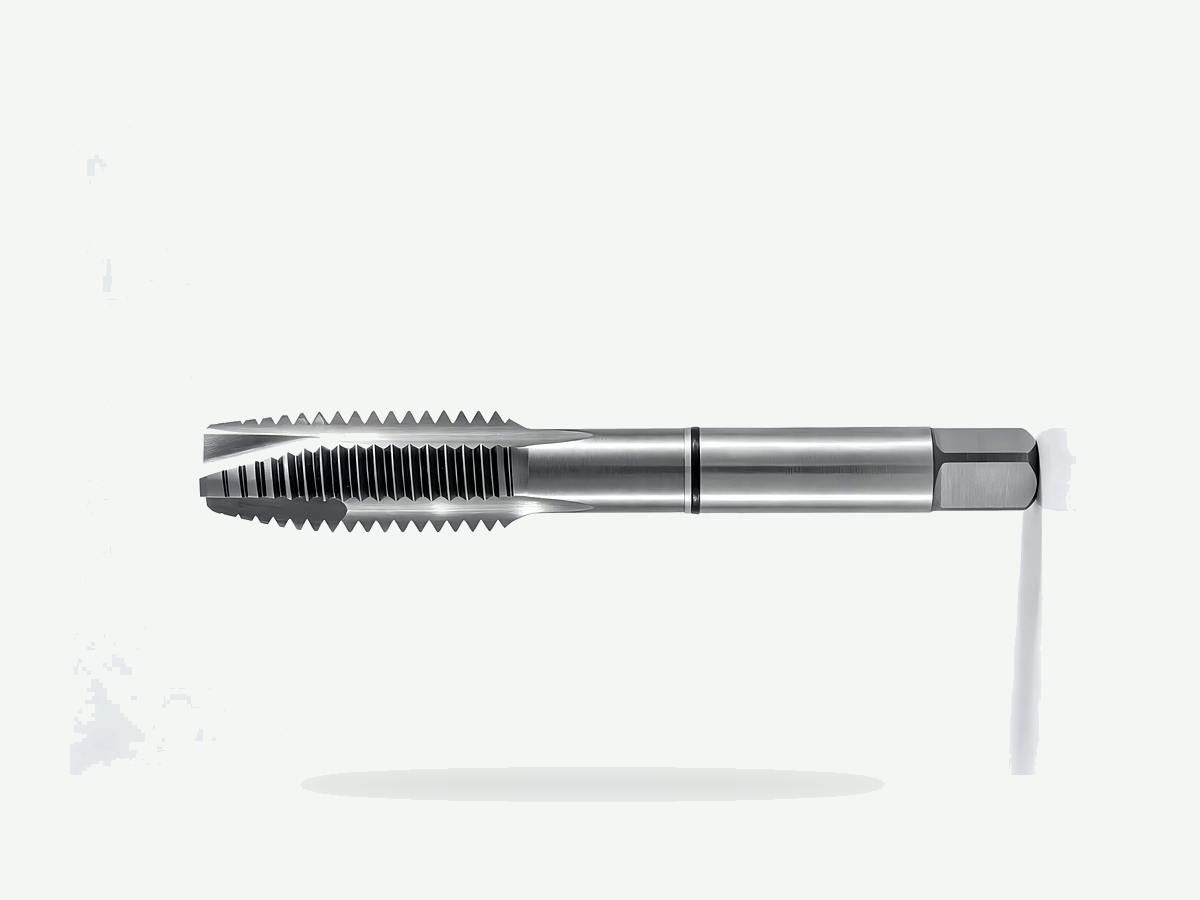
If you already know a series nickname but not the hole-type and chamfer gates, pause. Product pages answer buy-select questions after process selection. Sending an RFQ that only names a catalog nickname without hole type and usable depth usually returns clarifying questions and costs a cycle.
Send the print, material note, and machine list through custom cutting tool RFQ. Quote turnaround after complete drawing information is typically one to two working days; that is quotation response time, not manufacturing lead time. Series selection continues on taps after the type is locked. Thread milling remains a support exit when tapping is the wrong family for the pocket; see the aluminum mill-versus-tap sibling when that path dominates.
Tap Types for Blind and Through Holes FAQ
What is the difference between taper, plug, and bottoming taps?
They are entry-chamfer families. Taper leads are longest and start gently; plug is a common middle; bottoming leads are shortest and reach full form sooner. Map each to imperfect-thread count and hole type before you freeze a job.
Should I always use a bottoming tap in a blind hole?
No. Bottoming is often reviewed when usable threads must run close to the floor, but only after drill depth and chip exit are real. Packing risk can make a plug or a two-tap sequence safer.
Which tap type is best for through holes?
There is no unconditional best. Plug leads are a common tendency when exit clearance is clear; spiral-point styles are often reviewed for chip push. Confirm exit burr and pilot size before locking.
How do form taps fit this page?
Forming is a different mechanism. Use the form-versus-cut guide for ductility and pilot gates. This page focuses on cutting-tap chamfer families versus blind or through conditions.
What is usable thread depth?
It is the full-form engagement the print and mating part need, after you subtract imperfect starter threads from the chamfer. Write the number on the traveler; do not assume a marketing "full bottom" phrase.
Can I rough with a taper tap and finish with a bottoming tap?
Yes, when the sequence is written clearly. Two-tool plans are common for tough starts or deep blind work. Hide neither tool under a single nickname.
What belongs in an RFQ for tap type selection?
Hole type and depths, thread system and size, chamfer intent, flute or forming note, material, machine capability, and acceptance method. Leave unknown commercial fields blank.
Where do I go next for tap series or pilot holes?
After the type is locked, use the taps product page for series selection and the tap drill size chart (plus size pages) for prep-hole literacy. Form-versus-cut and mill-versus-tap siblings cover method forks this page does not own.
Sources and related guides
Outbound references support tapping and threading literacy, standards and metrology portals, machining-data and toolholding literacy, and manufacturing research entries cited in the body. Manufacturer-specific catalogs remain tied to their own products. The decision walkthrough is an HC editorial teaching aid, not a measured customer result. Sources checked 25 October 2026 (Asia/Shanghai).
Related on-site: taps · form tap vs cut tap · tap drill size chart · 1/4-20 tap drill size · NPT tap drill sizes · thread milling vs tapping aluminum · custom cutting tool RFQ · resources.