
Search results for turning insert selection often mix ISO code fragments, grade nicknames, and holder catalogs on one screen. Process engineers then open several tabs and still lack a single place to decide the order of shape, rake and holder fit, grade class, chipbreaker, and trial inputs before they request an insert review.
HC publishes this guide as a process-selection page for CNC lathe inserts. You lock insert shape and code family examples, then positive versus negative rake with holder pocket fit, then grade or coating class against the workpiece group as a checklist, then chipbreaker and edge prep for continuous or interrupted cuts, then a controlled trial and RFQ package. The page does not host a fake stock matrix, a full ISO size table, or unverified life claims. Product families and buy-select geometry belong on the cutting inserts and turning tools product pages; dedicated superhard families live on PCD turning inserts and CBN / PCBN inserts. Here you lock selection inputs before RFQ.
Jump: Decision flow · Shape and codes · Rake and holder · Grade and workpiece · Chipbreaker and interruption · Examples · Compare · RFQ checklist · Confirm · FAQ
Quick answer
- Shape and code family first: name the insert shape tendency (for example C, D, T, W, S as family examples) and any known ISO-style fragment such as DNMG or DCMT-style codes. Examples only; not a full HC stock table.
- Positive/negative rake and holder pocket: lock rake style with pocket, clamp, IC, thickness, and seating faces before you force a familiar shape letter into a mismatched holder.
- Grade class versus workpiece: treat grade and coating as a wear-versus-toughness checklist against the material group. Carbide is the default for most steels; PCD and CBN enter only when justified.
- Chipbreaker, edge prep, and interruption: name chip control and continuous versus interrupted risk; do not treat a chipbreaker nickname as automatic.
- Trial and RFQ: run a controlled first-off, then open custom cutting tool RFQ with blanks left blank instead of invented digits.
Decision flow: shape → rake/holder → grade → chipbreaker → trial
Selection path (stop when a field is missing):
| Step | What you lock | If missing |
|---|---|---|
| 1 Shape & codes | Shape family tendency + any ISO-style fragment (examples only) | Stop; do not jump to a grade nickname |
| 2 Rake & holder | Positive vs negative; pocket, clamp, IC, thickness, seating | Do not force a pocket mismatch |
| 3 Grade / coating class | Wear vs toughness vs workpiece group (checklist) | Keep class open; do not invent a % |
| 4 Chipbreaker & edge prep | Chip control intent; hone/land; interrupted vs continuous | Escalate before production |
| 5 Trial & RFQ | First-off notes + matched RFQ package | Open RFQ with incomplete SKU if needed |
Read the steps in order. Shops often jump to a familiar grade nickname or a shape letter from a neighboring job. That habit skips whether the rake style matches the pocket, whether the cut is interrupted, and whether the print even carries a usable code fragment. Keep shape and holder on the same traveler line so a label like finishing insert does not hide a second process choice.
Public turning literacy such as this turning knowledge overview and this CNC lathe inserts overview helps name the selection conversation without inventing an HC stock list. Standards literacy such as this codes and standards portal and this national standards overview supports ISO-style naming only. Metrology literacy such as this public metrology laboratory entry keeps units honest on the traveler.
Shape and ISO-style code families (examples only)
Shape sits early because corner strength, clearance access, and nose habits trade against each other before grade nicknames matter. Use family examples such as C, D, T, W, and S as industry tendencies, not as an HC inventory list. Stronger corner angles often help interrupted or rough passes; more acute corners often help finish or limited-access cuts when clearance allows. This page does not paste a permanent ISO size table that pretends to be stock.
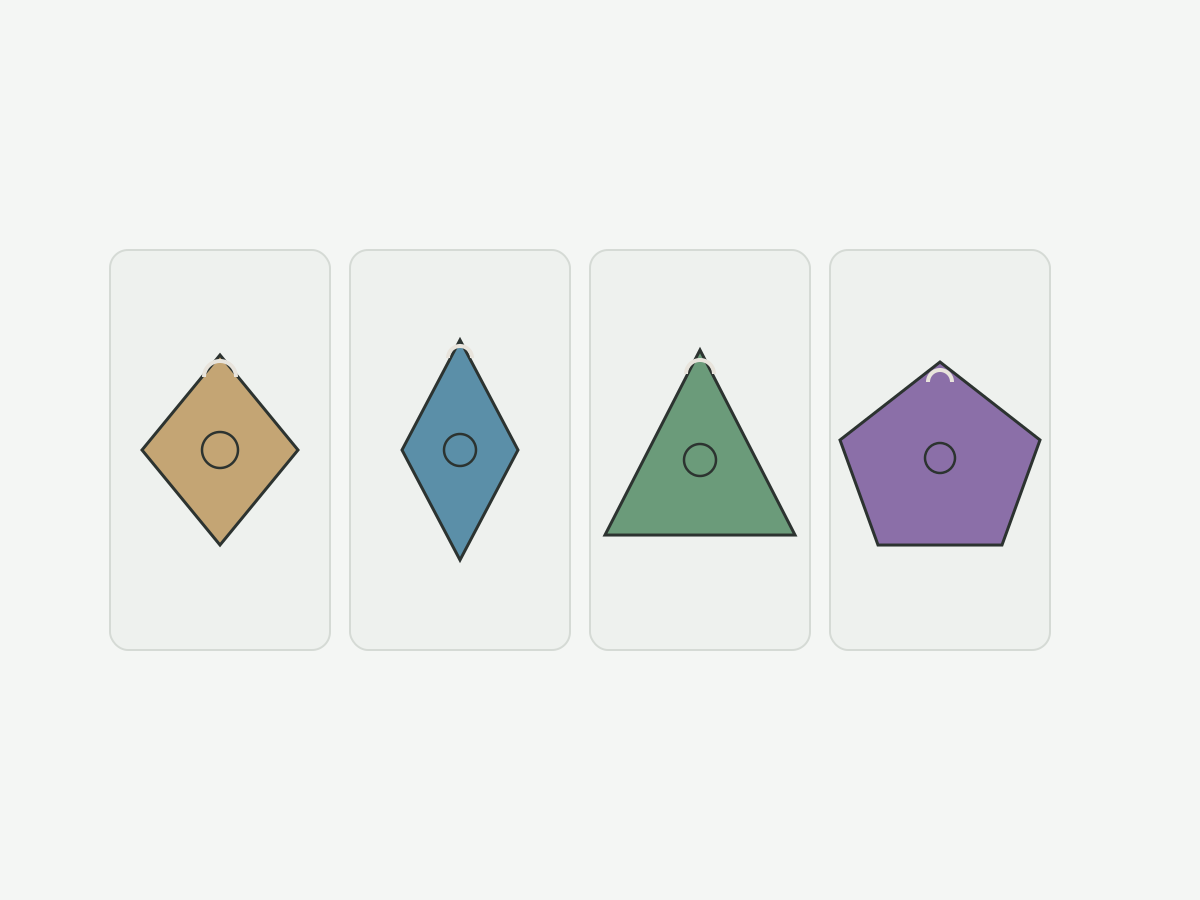
ISO-style code fragments such as DNMG-style or DCMT-style families appear in shop talk as shorthand for shape, clearance, tolerance class, and chipbreaker-related digits. Treat those strings as family examples that help you ask better questions. They are not a promise that HC stocks every digit combination. When the print shows only a partial fragment, write the known letters and leave unknown cells blank for engineering review.
Nose radius affects surface-finish tendency and radial force. A larger nose can improve finish on a continuous pass when the machine and setup stay rigid; a smaller nose can reduce radial load and help avoid chatter on slender work or long overhangs. Treat those notes as industry tendencies. Do not publish a finish Ra guarantee or a life curve from a nose-radius nickname alone. Insert geometry literacy such as this insert geometry overview and this CNC lathe tooling overview frames the conversation without a fake size matrix.
Clearance and lead-angle habits also sit in this check, still as tendency language. Facing, OD, and ID do not share the same wall and shoulder clearance story. Copying a shape that worked on OD into a tight bore without renaming clearance on the traveler is a common mismatch. Leave unknown clearance cells blank until engineering confirms them.
Positive vs negative rake and holder pocket fit
Rake style and holder pocket sit together because a correct shape letter still fails if the insert cannot seat. Positive inserts typically present a sharper cutting action and lower cutting-force tendency when the setup supports them; negative inserts typically present stronger seating and more edge support for tougher or interrupted cuts. Those are industry tendencies, not absolute guarantees for every machine.
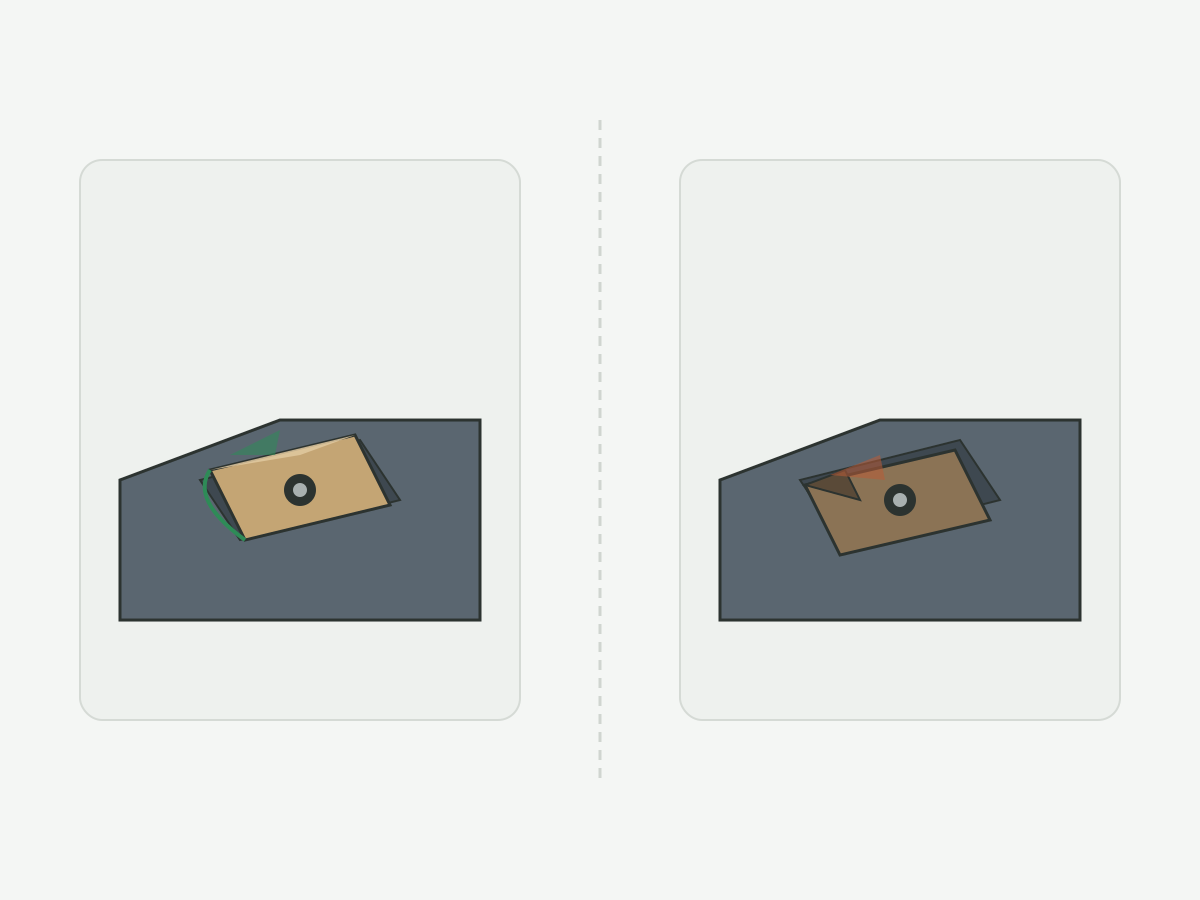
Confirm pocket style, clamp type (screw-down, lever, top clamp, and related seating styles), thickness, inscribed circle (IC), and seating faces against the insert you intend to run. A holder pocket that is wrong for thickness or IC will rock, mark, or break the seat even when the shape letter looks familiar. Write pocket style, clamp type, and seating condition on the traveler beside the insert fragment you already know.
Positive-versus-negative rake angle as a dedicated deep dive is planned as a sister Knowledge page and is not live yet; keep that discussion as a soft note here and do not hard-link a 404. Rake and clearance literacy such as this rake and clearance angle overview supports naming only. Toolholding literacy such as this tool holder technology overview and seating hygiene literacy such as this runout and cleaning tips overview support naming clamp and seating checks without inventing HC life data.
When holder assembly or turning-tool systems are the next question after the insert sequence is locked, open the live turning-tools product entry already linked above for holder and assembly selection. Do not expand milling cutter OWN on this page; one soft support sentence only: milling hub detail stays on its own guides.
Grade and coating class versus workpiece groups
Use tendency language, not absolute guarantees. Grade and coating class sit after shape and holder because a wear-resistant class cannot fix a pocket mismatch. The notes below describe common industry routing habits. Your shop, print, and machine can still override them after engineering confirm.
| Workpiece group (industry) | Default path (tendency) | Watch items | Leave blank if unknown |
|---|---|---|---|
| Carbon / alloy steel | Carbide grade class; coating class as wear vs toughness checklist | Interrupted cuts; thin walls; long overhang | Yes; do not invent hardness |
| Stainless | Carbide with toughness / built-up-edge awareness | Work hardening; chip control; coolant practice | Yes |
| Cast iron | Carbide; abrasive wear awareness | Edge prep; dust / chip handling | Yes |
| Aluminum / non-ferrous | Carbide sharp / polished tendency; PCD when abrasive non-ferrous justifies it | Built-up edge; silicon content; coolant | Yes |
| Hardened ferrous | CBN / PCBN when carbide is unstable in industry tendency | Hardness band; interruption; machine rigidity | Yes; confirm hardness |
Carbide is the default path for most steels and general CNC turning when the workpiece and process do not justify superhard tooling. Grade and coating class then sit on the checklist as wear-versus-toughness and rough-versus-finish balances. Do not treat a grade nickname as a life percentage or a stock promise on this page. Insert-grade literacy such as this insert grades overview and coating literacy such as this PVD carbon coating overview support class naming only.
PCD enters the decision when non-ferrous workpieces such as high-silicon aluminum or other abrasive non-ferrous alloys make carbide wear or built-up edge the dominant risk in industry practice. Route family selection through the live PCD turning inserts product page already linked above. PCD blank and structure literacy such as this PCD compact materials overview and this PCD and CBN insert grades overview supports material naming only (neutral anchors).
CBN / PCBN enters the decision when hardened steel or similarly hard ferrous conditions make carbide uneconomic or unstable in industry tendency. Route family selection through the live CBN / PCBN inserts product page already linked above. Superhard process literacy such as this diamond tooling materials overview supports naming boundaries only. Do not force PCD or CBN from brochure language when hardness, interruption, or machine rigidity do not support them.
Carbide substrate literacy such as this carbide rod and blank overview and cutting-data literacy such as this engineering calculators portal help name engagement math without inventing HC life data. Research society literacy such as this CIRP research portal and this high-performance cutting research overview frames process research boundaries only.
Chipbreaker, edge prep, and interrupted cuts
Chipbreaker and edge preparation are conditional. They matter most when chip form, surface risk, or interruption pattern will decide whether a trial survives the first minutes. Continuous finish passes often favor different chipbreaker and hone habits than heavy interrupted roughing. Mark the pattern on the traveler before you treat any chipbreaker nickname as automatic.
Edge prep (hone, land, or sharper edge habits) trades edge strength against cutting-force and finish tendency. A heavier hone can help survive interruptions; a sharper edge can help soft or non-ferrous finish work when chatter and built-up edge stay controlled. Treat those notes as industry tendencies. Chip-control literacy such as this chip control overview and turning product literacy such as this indexable turning tools overview support naming only.
Interrupted cutting, keyways, cast skin, and long overhangs raise the sequence into engineering-confirm territory. A tough shape that survives interruption may still leave a finish that the print rejects. A sharp finish nose that looks good on a continuous OD pass may chip on a shoulder interruption. Coolant concentration and delivery also move chip behavior; coolant literacy such as this coolant concentration measurement overview supports naming prove-out practice without inventing a fluid recipe as HC stock.
Cutting-force data literacy such as this public cutting-force dataset entry and training literacy such as this metalcutting solutions training overview and this indexable tooling education article frame process talk without a fake ranking. Units literacy such as this NIST SP 811 units guidance and this weights and measures overview keeps feed, speed, and depth notes honest when you record a trial.
Concrete examples (process scenarios, not case counts)
The scenarios below are editorial teaching aids. They are not measured customer results, life percentages, or price claims.
| Scenario | What to lock first | What to leave open |
|---|---|---|
| OD roughing mild steel, light interruption from a keyway | Stronger corner shape family; negative rake tendency if pocket allows; tougher grade class; chipbreaker for medium chips | Exact ISO digits; life claim; stock promise |
| Aluminum OD finish, continuous cut, high silicon risk | Sharp positive tendency if holder matches; chipbreaker for long chips; carbide first, PCD only if abrasive wear justifies it | Invented Ra guarantee; fake ROI |
| Hardened bore, limited access, rigid boring setup | Clearance and reach; CBN / PCBN boundary vs carbide; edge prep for hard turning | Hardness band if unknown; interruption if unknown |
| Stainless face cut with stringy chips | Chipbreaker and coolant practice; toughness-aware carbide class; pocket cleanliness | Grade nickname copied from a steel job without rename |
When a scenario still points to a published insert family rather than custom geometry, open the live cutting-inserts product page already linked above after you finish the confirm list. When the holder is the open question, use the turning-tools path already linked. When abrasive non-ferrous or hardened ferrous clearly justifies superhard tooling, use the PCD or CBN product paths already linked.
Conditional compare: carbide vs PCD vs CBN (no ranking)
Use this table only when more than one cutting-material path is still plausible after shape and holder are named. It is not an unconditional ranking and not a stock matrix.
| Path | Typical entry condition (industry tendency) | Do not use this table to claim |
|---|---|---|
| Carbide | Default for most steels and general CNC turning | Life %, price, or "always best" |
| PCD | Abrasive non-ferrous (for example high-silicon aluminum) when carbide wear or BUE dominates | Universal non-ferrous guarantee |
| CBN / PCBN | Hardened ferrous when carbide is unstable in industry tendency | Hard-turning life curve without prove-out |
When both carbide and a superhard path still look plausible, keep carbide as the default prove-out unless the print or material already forces the other path. Document why PCD or CBN entered the decision so the next trial does not restart from a nickname alone.
Process guide versus product pages
Readers sometimes want one page that both teaches the selection sequence and sells every insert SKU. On this site that split is intentional. Knowledge pages lock selection order and RFQ inputs. Product pages carry family geometry and purchase selection after those inputs are clear.
| Page role | Owns | How to use it with this guide |
|---|---|---|
This guide (/resources/turning-insert-selection) | Shape/codes, rake/holder, grade class, chipbreaker/interruption, trial/RFQ | Decide selection inputs and RFQ package here |
| Cutting inserts product | Insert family / buy-select geometry | After inputs are locked |
| Turning tools product | Holders / turning tool systems | For holder assembly after insert inputs |
| PCD / CBN product entries | Superhard family selection | When process boundary justifies them |
For a broader CNC machining frame, use the live CNC machining handbook as an optional upper hub. Browse the Knowledge hub for sister process guides. This turning-insert page keeps selection-sequence ownership.
Procurement and RFQ checklist
Treat the following as an industry checklist for buyer and process confirm when the drawing ISO code is missing, partial, or conflicting. It is not a substitute for your inspection procedure, and it does not invent a complete ISO catalog as an HC measured result. Blank cells are better than invented numbers.
- Material certificate grade, condition, and hardness band (or blank).
- Operation: OD / ID / face; rough vs finish tendency; interrupted vs continuous.
- Shape family tendency and any known ISO-style fragment (examples only).
- Positive vs negative rake; pocket style; clamp type; IC / thickness if known.
- Grade / coating class intent (checklist language, not a stock promise).
- Chipbreaker and edge-prep note; coolant delivery mode.
- Diameter / reach / overhang; tolerance or roughness tendency.
- Quantity and trial window; drawing revision; acceptance method.
- Photos of the holder pocket when clamp style is unclear.
- Identifiers needed for repeat orders.
Incomplete packages should keep blanks rather than guessed ISO digits. A partial code plus a clear material, operation, and clamp note usually reviews faster than a filled code that conflicts with the holder on the machine. Attach drawings so review starts from the same process boundary.
Confirm the specification with engineering support
Before ramp, confirm shape and code fragment, positive or negative rake with holder pocket fit, grade class versus workpiece group, chipbreaker and interruption notes, coolant, and acceptance method. Hand the package for a matched insert and holder recommendation. HENTRY / HC supports drawing-based proposals. No price, MOQ, or unverified lead time is stated here.

Specification fields to confirm
- Proposed insert family or drawing fragment and matching holder series if known.
- Shape / code fragment; reject invented digits.
- Positive vs negative; pocket and clamp interface.
- Grade / coating class intent versus workpiece group.
- Chipbreaker / edge-prep note; interrupted vs continuous.
- Material grade / condition and coolant mode.
- OD / ID / face; reach and overhang notes.
- Inspection and sample acceptance expectations.
- Identifiers needed for repeat orders.
Trial plan (minimum)
- Same drawing revision and acceptance criteria as the checklist.
- First-off record of chip form, edge condition, surface tendency, and any chatter or pocket seating notes before compensation edits.
- Change one variable at a time when comparing chipbreaker or grade class under the same material and acceptance intent.
- Stop when chips tangle unsafely, edges chip, seating marks appear, or the print finish / tolerance fails.
- Do not claim a grade or shape "won" without those controls.
Review constructions: explore cutting inserts · explore turning tools · explore PCD turning inserts · explore CBN / PCBN inserts.
Request a turning insert recommendation
Suggested enquiry subject: Turning insert - [material] - [OD/ID/face] - [shape fragment] - [pos/neg] - [interrupted yes/no]
Turning Insert Selection FAQ
How do I select a turning insert for CNC lathes?
Lock shape and code family first, then positive or negative rake with holder pocket fit, then grade or coating class against the workpiece group, then chipbreaker and edge prep for the cut and interruption pattern, then run a controlled trial and send RFQ fields. Treat the walkthrough as a process checklist, not a fake stock matrix or life claim.
What comes first: insert shape or grade?
Shape and code family come before grade. A familiar grade nickname cannot fix a pocket mismatch or the wrong corner strength for the operation. After shape, confirm rake and holder fit, then grade class as a checklist against the workpiece group.
How do I match a positive or negative insert to the holder?
Confirm rake style, clearance, thickness, inscribed circle, and clamp style against the holder pocket and seating faces. Positive inserts often need matching positive pockets; negative inserts often seat in stronger negative pockets. A familiar shape letter still fails if the pocket and clamp do not match.
When should I consider PCD or CBN instead of carbide?
Carbide remains the default for most steels and general CNC turning. PCD often enters for abrasive non-ferrous work such as high-silicon aluminum. CBN or PCBN often enters for hardened ferrous conditions. Treat those notes as process boundaries. Confirm hardness, interruption, and machine rigidity with application engineering; do not invent life or price claims.
Does interrupted cutting change insert selection?
Yes, usually. Interruptions raise toughness demand and can push shape, edge prep, and chipbreaker toward stronger corners and tougher classes. Continuous finish passes often favor different nose and finish-class tendencies. Mark interruption on the traveler and confirm before you lock the sequence.
What RFQ fields matter when the ISO code is incomplete?
List material and hardness band, operation (OD, ID, face, interrupted), shape or code fragment, positive or negative rake, holder and clamp interface, grade class intent, chipbreaker or edge-prep note, coolant, diameter or reach, tolerance or roughness tendency, and trial window. Leave unknown cells blank instead of inventing digits.
How is this guide different from cutting-inserts and turning-tools product pages?
This page owns the selection order: shape and codes, rake and holder fit, grade class versus workpiece, chipbreaker and interruption notes, trial and RFQ inputs. Cutting-inserts owns insert family and buy-select geometry. Turning-tools owns holders and turning tool systems. Do not copy product specification tables into this process guide.
When does this page not apply?
It does not apply when you need invented life percentages, prices, ROI, or unverified case counts; when you need a full ISO size stock table or fake grade matrix; when you need a milling encyclopedia (milling is only a one-line support note here); when you need a dedicated positive-versus-negative rake deep dive that is not yet live; or when shape, rake, holder, grade, chipbreaker, and trial notes are still missing. Fix the inputs first.
Sources and related guides
Outbound references support turning insert geometry and chip-control literacy, insert-grade and coating class naming, toolholding and seating hygiene, PCD/CBN material boundaries, coolant and units portals, cutting-force and manufacturing research portals, and standards literacy cited in the body. Manufacturer-specific grade charts remain tied to their own products. The decision walkthrough is an HC editorial teaching aid, not a measured customer result. Sources checked 25 October 2026 (Asia/Shanghai).
- Turning knowledge overview (third-party education; linked in body)
- CNC lathe inserts overview (third-party education; linked in body)
- CNC lathe tooling overview (third-party education; linked in body)
- Insert geometry overview (third-party education; linked in body)
- Insert grades overview (third-party education; linked in body)
- Chip control overview (third-party education; linked in body)
- Rake and clearance angle overview (third-party education; linked in body)
- Indexable turning tools overview (third-party tooling education; linked in body)
- Engineering calculators portal (third-party tooling education; linked in body)
- Tool holder technology overview (third-party education; linked in body)
- Runout and cleaning tips overview (third-party education; linked in body)
- PVD carbon coating overview (third-party coating literacy; linked in body)
- PCD compact materials overview (third-party materials literacy; linked in body)
- PCD and CBN insert grades overview (third-party education; linked in body)
- Diamond tooling materials overview (third-party materials literacy; linked in body)
- Carbide rod and blank overview (third-party materials literacy; linked in body)
- Coolant concentration measurement overview (third-party process literacy; linked in body)
- Public cutting-force dataset entry (public metrology / research data; linked in body)
- Metalcutting solutions training overview (third-party training; linked in body)
- Indexable tooling education article (third-party education; linked in body)
- CIRP research portal (third-party research society; linked in body)
- High-performance cutting research overview (third-party research; linked in body)
- Codes and standards portal (public standards entry; linked in body)
- National standards overview (public standards entry; linked in body)
- Public metrology laboratory entry (public metrology entry; linked in body)
- NIST SP 811 units guidance (public metrology entry; linked in body)
- Weights and measures overview (public metrology entry; linked in body)
Related live guides: cutting inserts · turning tools · PCD turning inserts · CBN / PCBN inserts · CNC machining handbook · Knowledge hub · custom cutting tool RFQ.