
This page helps CNC process engineers, programmers, and tooling buyers set end-mill cutting speed (SFM or Vc), spindle RPM, and feed per tooth (chip load), then correct for radial and axial engagement (ae and ap) and verify on a controlled trial cut before they open a speeds-and-feeds RFQ. It teaches the SFM to RPM to fz chain, material and diameter and flute and coolant conditions, ae and ap correction logic, a labeled instructional calculation, a trial-cut record loop, then RFQ inputs. General chip-control and SFM literacy stays on the live speeds, feeds, and chip-control guide. Cutter-type navigation stays on the live milling tools hub. Size callouts live on the live end-mill sizes guide. Coating family selection lives on the live end-mill coatings guide. Peripheral (side) milling process detail lives on the live peripheral milling guide. Climb versus conventional feed sense lives on the live climb versus conventional guide. This page is end-mill speeds-and-feeds OWN; it is not a coatings encyclopedia, size chart book, climb long guide, peripheral process book, face-milling OWN, or holemaking OWN, and it does not invent a universal catalogue feeds table.
Start from the live hub when you still need cutter-family framing: milling tools guide. For chip-control and general SFM literacy, use the live speeds, feeds, and chip control guide. For diameter, shank, flute length, and OAL, use the live end mill sizes guide. For coating intent after data is locked, use the live end mill coatings guide. For side-edge engagement geometry, use the live peripheral milling guide. For feed-sense gates, use the live climb vs conventional milling guide. Live solid carbide, ball-nose, and corner-radius families stay on carbide end mills, ball nose end mills, and corner radius end mills.
Quick answer
- Pick a cutting-speed band for the material and tool construction: start from cutter data or a published material-family SFM (or Vc) band for that carbide end mill, not from a drawer habit. Convert to spindle RPM with the diameter you will actually run.
- Set feed per tooth (fz) from chip-load intent: fz is the chip thickness per flute at the engagement you plan. Multiply RPM by flute count by fz to get table feed. Do not copy a roughing fz onto a finish pass without re-checking ae and ap.
- Correct for ae and ap before you trust the first number: light radial width or shallow axial depth usually needs a different fz and sometimes a different SFM band than a slotting cut. Record engagement as measured or programmed bands, not slogans.
- Next step: run a controlled trial cut, record spindle load, chip form, wall marks, and size, then adjust one variable at a time. Open RFQ when the package still needs a matched construction. This page is not a coating encyclopedia, size chart book, climb long guide, peripheral process book, face-milling OWN, or holemaking OWN.
Selection path (stop when a field is missing):
| Step | What you lock | If missing |
|---|---|---|
| 1 Material and condition | Grade family, hardness or condition, wet or dry or MQL intent | Stop; recover the material cert or setup note |
| 2 Tool identity | Dc, flute count, geometry family (square / ball-nose / corner-radius), coating intent pointer | Do not invent a "standard" feeds table |
| 3 SFM or Vc band | Cutting-speed band from cutter data or material-family literacy | Keep open; do not guess life % |
| 4 RPM and fz | RPM from diameter; fz from chip-load intent and flute count | Flag missing diameter or flute count |
| 5 ae and ap correction | Radial and axial engagement bands for this pass | Stop if engagement is unknown |
| 6 Trial and RFQ | Trial-cut record + matched RFQ package | Open RFQ with incomplete SKU if needed |
Jump: SFM, RPM, fz · Material conditions · ae and ap · Example · Trial cut · RFQ · Confirm · FAQ
SFM, RPM, and feed per tooth (fz)
End-mill speeds and feeds are a conversion chain, not three independent dials. Teams get into trouble when they treat RPM as a brand preference, or when they copy table feed without stating fz and flute count. Name each variable on the setup sheet before you debate coatings or size SKUs.
- Cutting speed (SFM or Vc): the surface speed at the cutting diameter. Inch shops often use surface feet per minute (SFM). Metric shops often use metres per minute (Vc). The number comes from material family plus tool construction and condition, not from a universal "standard full table" on this page.
- Spindle RPM: converts cutting speed through diameter. Common instructional forms are RPM ≈ (SFM × 12) / (π × D) for inch diameter D, and RPM ≈ (Vc × 1000) / (π × Dc) for metric Dc in millimetres. Use the diameter you will actually engage, not a neighbouring SKU from the drawer.
- Feed per tooth (fz) / chip load: the feed distance per flute per revolution. It sets chip thickness for the engagement you plan. Heavier fz raises metal removal and load; lighter fz can polish or rub if it goes too thin for the edge.
- Table feed (Vf): Vf ≈ RPM × z × fz, where z is flute count. Always state z when you publish a feed number. Two-flute and four-flute tools at the same fz do not share the same table feed.
- What this page is not: a rewrite of the live speeds, feeds, and chip control literacy page, a coating encyclopedia (see live end mill coatings), a size chart book (see live end mill sizes), a climb-versus-conventional long guide, a peripheral process book, face-milling OWN, or holemaking OWN.
Public machining formula literacy such as this machining formulas overview and this milling knowledge overview helps teams name Vc, n, fz, ae, and ap without publishing a universal catalogue table. Manufacturing society vocabulary such as this manufacturing society portal supports naming chip load without inventing shop slang as a standard. Chip-thickness literacy on the live sister page stays the place for broader chip-control framing.
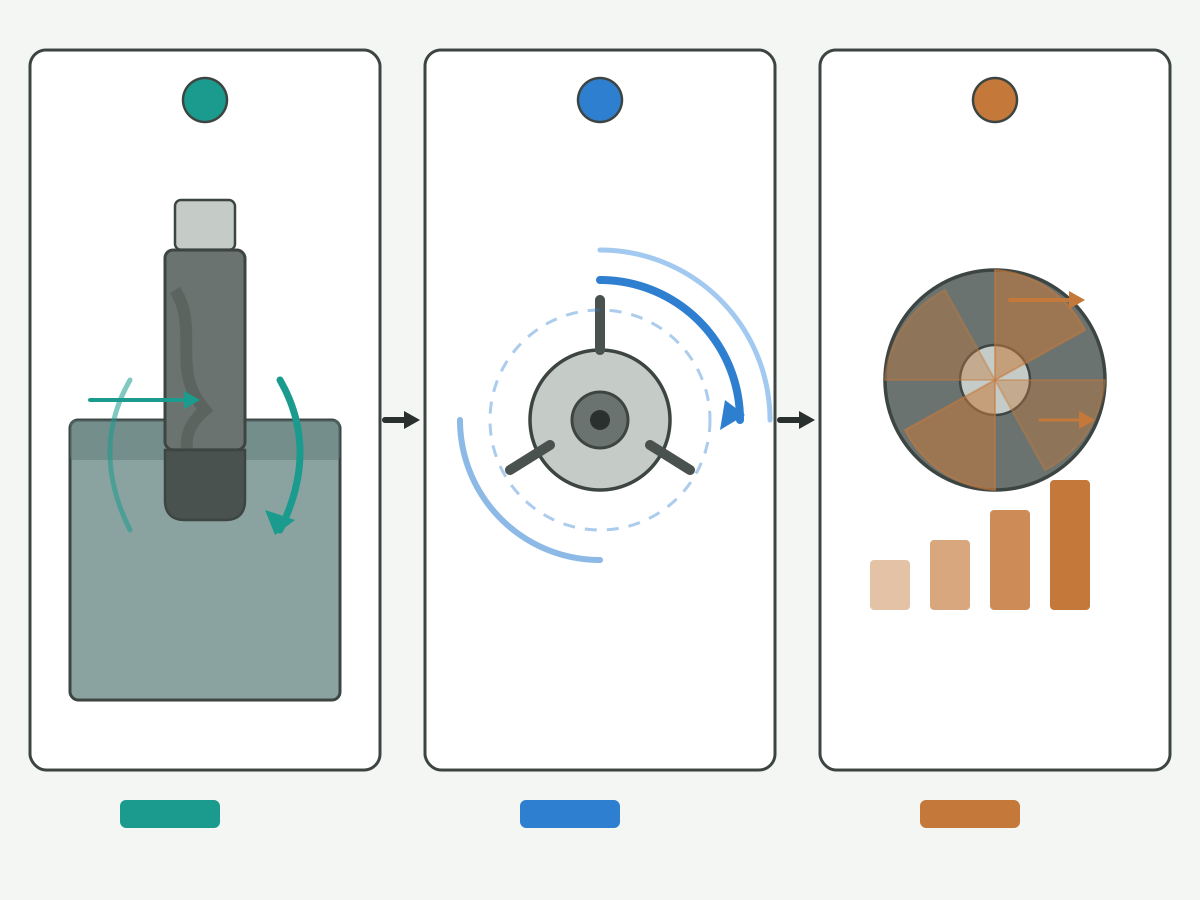
Schematic illustration: not a machine-ready cutting-data table or catalogue ranking. Confirm SFM or Vc, diameter, RPM, flute count, and fz on your cutter data and setup sheet.
Material, diameter, flutes, and coolant conditions
The same nominal SFM band fails when material condition, diameter, flute count, or coolant intent changes and nobody records the change. Lock conditions before you trust a copied program.
- Material family and condition: soft aluminium-family cuts, carbon and alloy steels, stainless, and titanium-family cuts do not share one fz habit. Hardness, work-hardening tendency, and chip welding risk change the safe starting band. Record grade and condition on the sheet.
- Cutting diameter (Dc): RPM scales with diameter for a fixed SFM. A smaller Dc at the same SFM needs higher RPM; spindle power and maximum RPM caps can stop you before the formula does. Size selection itself lives on the live end mill sizes guide.
- Flute count (z): more flutes raise table feed at the same fz, but chip space per flute shrinks. Slotting and sticky chips often favour fewer flutes; finishing passes may use more. Do not treat flute count as a free multiplier without checking chip evacuation.
- Coolant / MQL / dry: flood, through-tool, MQL, and dry change heat and chip clearing. A dry high-speed aluminium finish is not the same setup as a flooded steel slot. Coolant know-how such as this coolant know-how overview supports naming the delivery mode beside the data.
- Geometry family pointer: square / flat, ball-nose, and corner-radius constructions share the SFM to RPM to fz chain but engage differently at the tip and corner. Live constructions sit on carbide end mills, ball nose end mills, and corner radius end mills.
- Out of OWN here: coating family encyclopedias beyond the live coatings guide; full size charts beyond the live sizes guide; face-milling OWN and two-versus-four-flute deep dives (soft-note until those pages are live); holemaking OWN.
Practice portals such as this cutting tools practice overview and CNC milling literacy such as this CNC milling overview support reading speed-feed symptoms; they are not HC shop results. Standards literacy such as this codes and standards portal, this international standards overview, and this national standards overview frames industry naming only.
| Condition | Prefer when… | Prefer caution when… | Stop / escalate when… |
|---|---|---|---|
| Material band named | Grade family and condition are on the setup sheet | Only a vague "steel" or "alu" label exists | Nobody will state hardness or condition for a sensitive alloy |
| Dc and RPM linked | RPM is computed from the Dc you will run | RPM was copied from a different diameter | Spindle max or power cap is ignored |
| Flute count stated | z is written next to fz and Vf | Feed is stated without z | Chip packing appears and z was never reviewed |
| Coolant mode named | Flood, through-tool, MQL, or dry is explicit | Mode changes mid-job without a data note | Smoke, weld, or washout appears and delivery is unknown |
ae and ap correction logic
Radial width of cut (ae) and axial depth of cut (ap) change chip thickness and load even when SFM and programmed fz look unchanged. Correct engagement before you blame the coating or invent a new "standard" table.
- Slotting versus light ae: a full-width slot loads the tool differently from a light peripheral pass at the same programmed fz. Many shops reduce fz or SFM for heavy ae, or raise fz carefully on light ae when the edge can take a thicker chip without rubbing. Record the rule your cutter data uses; do not invent a life claim.
- Shallow versus deep ap: deep ap raises bending load and heat. Shallow ap can look "safe" while still rubbing if fz is too thin. Pair ap with stick-out and holder notes from the sizes and toolholding literacy you already use.
- Climb versus conventional context: feed sense changes chip thickness history into and out of the cut. Sense gates stay on the live climb vs conventional milling guide; this page only requires that sense is named when you correct ae and ap.
- Peripheral engagement context: wall engagement geometry detail stays on the live peripheral milling guide. Speeds-and-feeds correction here does not rewrite that OWN page.
- Ball-nose and corner-radius notes: effective diameter and chip load at the tip differ from a square end at the same catalogue Dc. Re-check fz when the engaged radius changes. Live framing: ball nose end mills and corner radius end mills.
Third-party tooling literacy such as this engineering calculators portal and this cutting data notes portal adds context for naming engagement; neither is an HC trial result. Research society literacy such as this CIRP research portal frames process research boundaries only. Toolholding literacy such as this toolholding overview and this tool holder technology overview belongs beside stick-out when ap and ae climb.
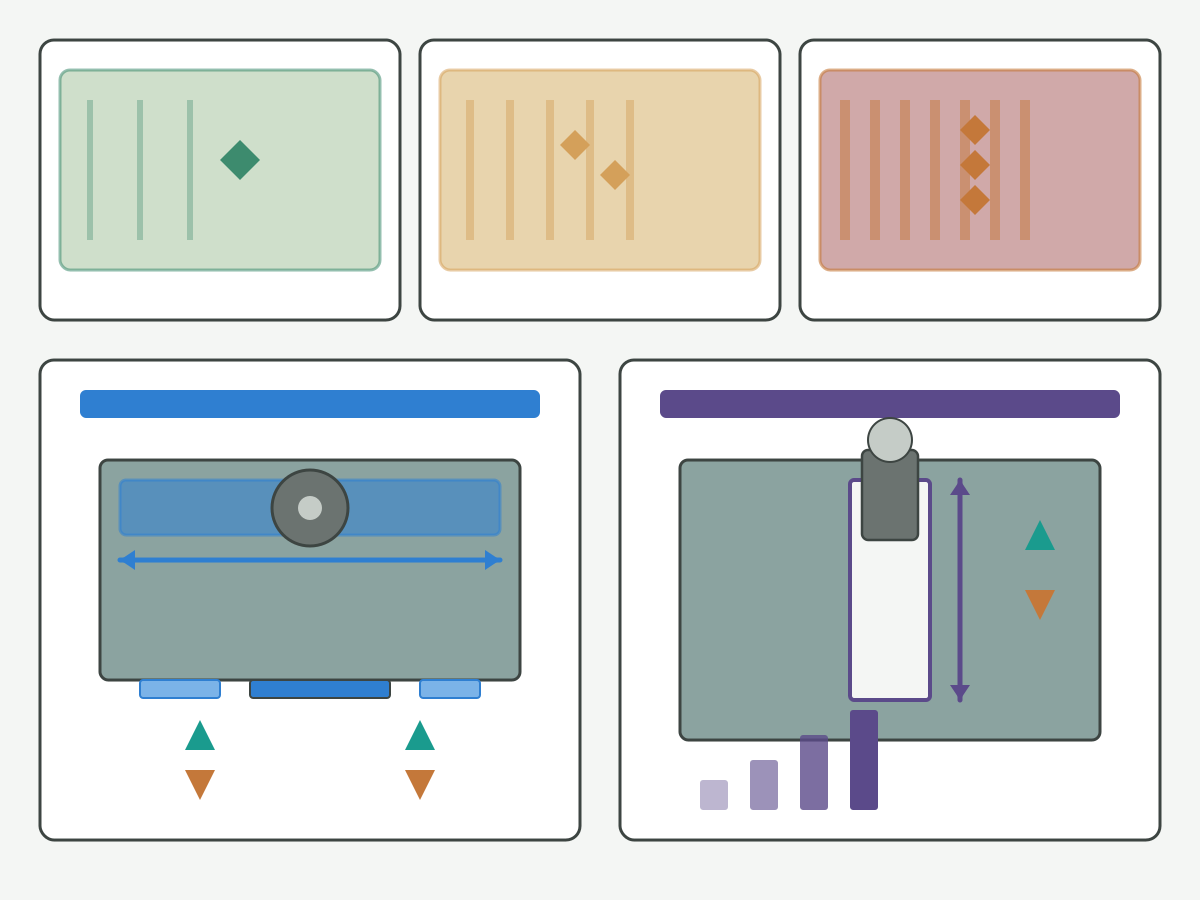
Schematic material and ae/ap boundary illustration: boundaries only, not a catalogue ranking. Confirm material condition, ae, ap, and sense on your program and cutter data.
Teaching example: SFM to RPM to fz with ae note (instructional)
Instructional / hypothetical example only. This is not a verified HC customer case and invents no life, scrap rate, cycle-time, price, or ROI claims. Numeric values below are teaching placeholders so you can audit the arithmetic; they are not a claim of universal stock or a "standard full feeds table."
Imagine a shop programming a square carbide end mill in an alloy-steel family pocket. Walk the chain in this order and stop when an input is missing:
- Confirm drawing revision, material grade and condition, wet or dry intent, Dc, flute count z, and whether ae and ap are already named for the rough pass.
- Suppose teaching inputs: Dc = 10 mm, z = 4, chosen Vc band = 120 m/min (instructional), programmed ae about 0.2×Dc, ap about 1×Dc for a first rough idea (instructional bands only).
- RPM (metric instructional form): RPM ≈ (Vc × 1000) / (π × Dc) ≈ (120 × 1000) / (3.1416 × 10) ≈ 3820 rev/min. Round to a spindle value your machine can hold and re-state the effective Vc if you change RPM.
- Choose an instructional fz starting band from cutter data for that steel family and engagement (example placeholder: 0.04 mm/tooth). Then Vf ≈ RPM × z × fz ≈ 3820 × 4 × 0.04 ≈ 611 mm/min.
- Apply an ae/ap note: if the real pass is nearer full slot than 0.2×Dc, do not keep the light-ae fz by habit. Reduce fz or Vc per the cutter data rule you are following, or split the radial width. If the pass is much lighter than assumed, re-check for rubbing before you raise RPM alone.
- Agree how you will measure wall size, chip form, and spindle load on the first-off, then open RFQ if the construction is still open.
Information gain: the arithmetic is auditable when Dc, Vc or SFM, z, fz, ae, and ap are written down. A single copied table feed without those fields is not a process.
Metrology literacy such as this public metrology laboratory entry and this weights and measures overview supports how you name acceptance beside the trial numbers.
Trial-cut record and adjust loop
A first number is a hypothesis. A trial cut with a written record is the gate before production ramp or RFQ freeze.
- Record before you edit: material heat or cert, Dc, z, coating pointer, SFM or Vc, RPM, fz, Vf, ae, ap, sense (climb or conventional), coolant mode, stick-out method, and program revision.
- Watch a short list: spindle load band, chip colour and shape, wall marks, size at the agreed gauge, unusual noise or vibration. Stop on collision risk, broken edge, or uncontrolled size drift.
- Change one variable at a time: if chips look rubbed, raising RPM alone may not fix thin fz. If load spikes on a slot, check ae and ap before swapping coating families. Coatings stay on the live end mill coatings guide.
- Close the loop: write the final stable band on the setup sheet. Do not claim the route "won" without the same acceptance criteria as the drawing.
- Symptom versus OWN boundaries: taper and long stick-out issues often belong with size and holder notes on the live end mill sizes guide. Feed-sense confusion belongs on the live climb versus conventional guide. Chip-packing literacy can return to the live speeds, feeds, and chip control page.
| Check | Pass when… | Fail / hold when… | RFQ note |
|---|---|---|---|
| Inputs named | Material, Dc, z, SFM/Vc, fz, ae, ap, sense, coolant on the sheet | Any critical field is "from memory" | State which fields are still open |
| First-off recorded | Load, chips, marks, size captured before compensation edits | Operators edit mid-cut with no record | Attach first-off notes |
| One-variable adjust | Each change has a stated reason | Multiple dials move at once | List the last stable band |
| Acceptance matched | Gauge method matches the print | Size "looks fine" without a method | State the gauge method |
| Stop rules | Team stops on break, collision risk, or uncontrolled drift | Run-on after edge damage | Flag stop events |
Procurement checklist (RFQ inputs)
Send what you know. Leave life, price, and unverified cycle-time fields blank. Do not invent catalogue-wide "standard" feeds tables in the enquiry.
- Drawing revision and feature notes (pocket, wall, slot; rough versus finish).
- Material grade, condition, and coolant / MQL / dry intent.
- Cutting diameter, flute count, geometry family (square / flat, ball-nose, corner-radius), and size pointers from the live sizes guide when relevant.
- Proposed SFM or Vc band, RPM, fz, and Vf (mark instructional versus cutter-data sourced).
- ae and ap bands and climb versus conventional sense if locked.
- Holder type, stick-out method, and envelope limits.
- Coating intent pointer (may be "open" pending the coatings guide).
- Trial-cut notes and acceptance method; identifiers for repeat orders.
Browse live constructions here: carbide end mills, ball nose end mills, and corner radius end mills. Open the request form when the package is ready: custom cutting tool RFQ.
Confirm the specification with engineering support
Before production ramp, confirm material condition, Dc, flute count, SFM or Vc, RPM, fz, ae, ap, sense, and coolant mode with engineering. Hand the package to a product and RFQ path that can return a matched end-mill speeds-and-feeds review, not a generic catalogue guess. HENTRY / HC supports drawing-based solid carbide, ball-nose, and corner-radius end-mill proposals and engineering review. No price, MOQ, or unverified lead time is stated on this page.
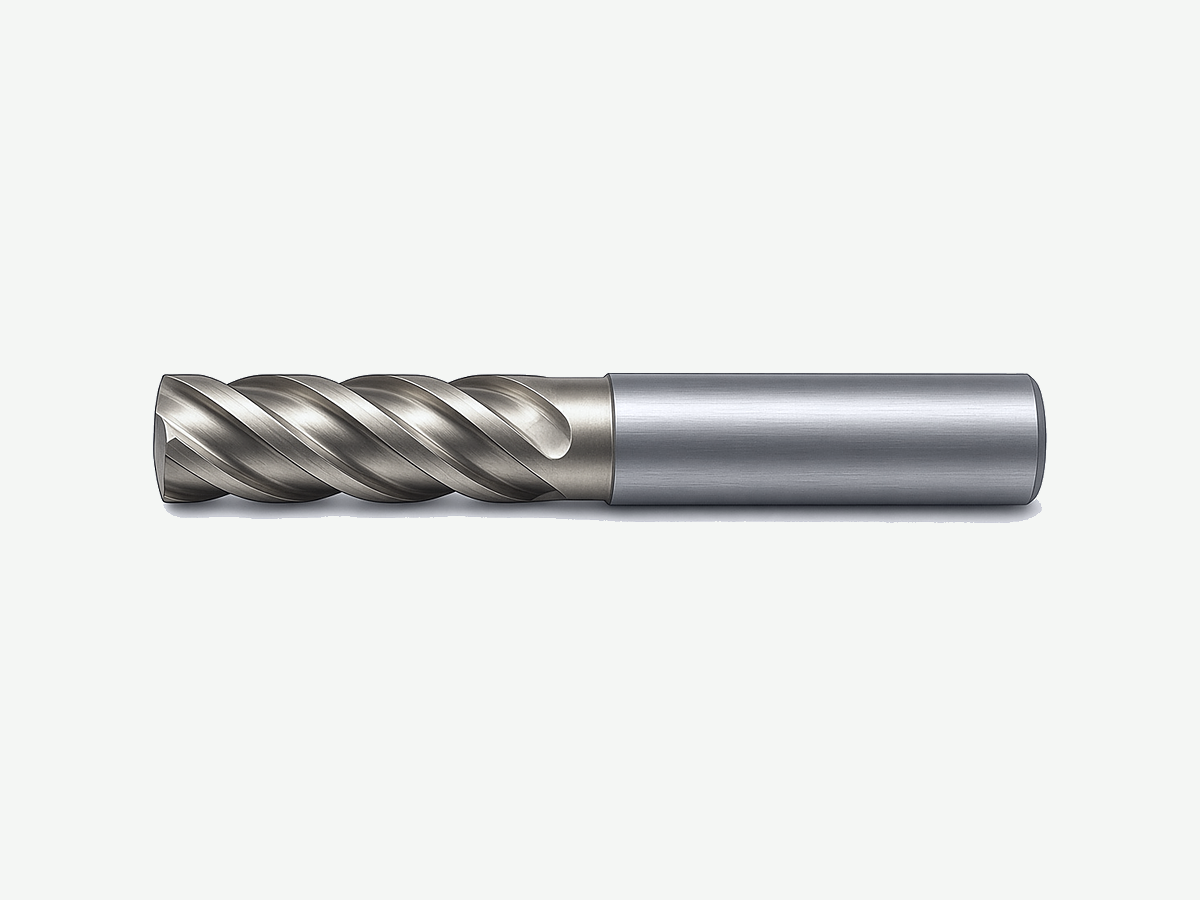
Specification fields to confirm
- Proposed tool model or drawing.
- Material grade / condition and coolant mode.
- Dc, flute count, geometry family, and size envelope notes.
- SFM or Vc, RPM, fz, Vf for the first-off band.
- ae, ap, and feed-sense notes agreed for first-off.
- Holder type, stick-out method, and machine limits.
- Inspection and sample acceptance expectations.
- Identifiers needed for repeat orders.
Trial plan (minimum)
- Same drawing revision and acceptance criteria as the checklist.
- First-off record before any compensation edit.
- Stop and escalate when size drifts, marks look abnormal, chips indicate rubbing or overload, or the tool collides with the envelope.
- Do not claim the route "won" without those controls.
Review listed constructions here: explore carbide end mills · explore ball nose end mills · explore corner radius end mills. Research and practice portals such as this CIRP research portal (also cited above for process research framing) and ISO public information such as this international standards overview support industry literacy only.
Request an end-mill speeds & feeds review
Suggested enquiry subject: End mill speeds and feeds - [material] - [Dc / z] - [SFM or Vc / fz] - [ae / ap] - [feature]
End Mill Speeds and Feeds FAQ
How do I convert SFM or Vc to RPM for an end mill?
Use the diameter you will actually run. A common instructional inch form is RPM approximately (SFM times 12) divided by (pi times D). A common instructional metric form is RPM approximately (Vc times 1000) divided by (pi times Dc in millimetres). Round to a spindle value the machine can hold and re-state effective cutting speed if RPM changes. Do not copy RPM from a different diameter.
What is feed per tooth (fz) and how does it relate to table feed?
Feed per tooth is the feed distance per flute per revolution and sets chip thickness for the engagement you plan. Table feed is approximately RPM times flute count times fz. Always write flute count next to any feed number. Do not copy a roughing fz onto a finish pass without re-checking ae and ap.
How should ae and ap change my speeds and feeds?
Radial width and axial depth change load and effective chip thickness even when programmed fz looks unchanged. Heavy ae such as slotting often needs a more conservative fz or cutting-speed band than a light peripheral pass. Deep ap raises bending load. Record ae and ap as bands and follow the cutter-data correction rule you are using rather than inventing a universal table.
Which material and coolant details must I lock before trusting a number?
Lock material grade and condition, cutting diameter, flute count, geometry family, and whether the cut is flood, through-tool, MQL, or dry. Soft aluminium-family cuts and work-hardening stainless or titanium-family cuts do not share one fz habit. Missing condition notes are a stop, not a guess.
How should I run a trial-cut loop for end mill data?
Write SFM or Vc, RPM, fz, Vf, ae, ap, sense, and coolant before the first-off. Record load, chips, marks, and size before compensation edits. Change one variable at a time. Stop on edge damage, collision risk, or uncontrolled size drift. Do not claim success without the print's acceptance method.
Which inputs should I send in an RFQ for end mill speeds and feeds?
Send drawing revision, material and coolant intent, diameter and flute count, geometry family, proposed SFM or Vc and fz bands, ae and ap and sense if known, holder and stick-out notes, coating intent pointer, trial notes, and acceptance method. Final stock-keeping unit is optional when constraints are complete. Leave unverified life and price fields blank.
Does this page replace chip-control literacy, sizes, coatings, or the milling tools guide?
No. General chip-control and SFM literacy stays on the live speeds, feeds, and chip-control guide. Cutter-type navigation stays on the live milling tools guide. Size callouts stay on the live end-mill sizes guide. Coating selection stays on the live end-mill coatings guide. Climb versus conventional and peripheral process detail stay on their live guides. This page owns the end-mill SFM to RPM to fz chain, condition gates, ae and ap correction, instructional calculation, trial loop, and RFQ checklist only.
When does this page not apply?
It does not apply when you need invented life percentages, prices, ROI, or unverified case counts; when you need a fabricated standard full feeds table; when you need a coating encyclopedia, size chart book, climb-versus-conventional long guide, peripheral process book, face-milling OWN, or holemaking OWN; or when material, diameter, flute count, and engagement are missing and nobody will stop to state them. Fix the inputs first.
Sources and related guides
Outbound references support milling and formula literacy, toolholding and coolant boundaries, standards and metrology portals, cutting-data literacy, CNC milling practice, and manufacturing research portals cited in the body. Manufacturer-specific cutting data remain tied to their own products. The SFM to RPM to fz walkthrough is an HC editorial teaching aid, not a measured customer result. Sources checked for this draft on 22 October 2026 (Asia/Shanghai).
- Machining formulas overview (third-party education page; linked in body)
- Milling knowledge overview (third-party education page; linked in body)
- Toolholding overview (third-party education page; linked in body)
- Tool holder technology overview (third-party education page; linked in body)
- Coolant know-how overview (third-party education page; linked in body)
- Engineering calculators portal (third-party tooling education; linked in body)
- Cutting data notes portal (third-party tooling education; linked in body)
- Codes and standards portal (public standards entry; linked in body)
- Public metrology laboratory entry (public metrology entry; linked in body)
- Weights and measures overview (public metrology entry; linked in body)
- National standards overview (public standards entry; linked in body)
- International standards overview (public standards entry; linked in body)
- Manufacturing society portal (public manufacturing literacy; linked in body)
- CIRP research portal (third-party research society; linked in body)
- Cutting tools practice overview (third-party education page; linked in body)
- CNC milling overview (third-party education page; linked in body)
Related live guides: milling tools guide · speeds, feeds, and chip control · end mill sizes · end mill coatings · peripheral milling · climb vs conventional milling · carbide end mills · ball nose end mills · corner radius end mills · custom cutting tool RFQ. An SFM to RPM conversion helper page, a two-versus-four-flute deep dive, a face-milling OWN page, and a general cutting-tool coatings encyclopedia will be linked here after they publish (soft-note only until live).