
Search results for positive versus negative rake angles often mix textbook definitions, insert catalog nicknames, and holder pocket codes on one screen. Process engineers then still lack a single place to decide which rake style fits the workpiece, force window, and edge-strength need before they lock a holder and open an RFQ.
HC publishes this guide as a process-selection page for positive versus negative rake on CNC turning. You lock rake definition and measurement datum first, then insert style and effective rake at the cut, then cutting-force and edge-strength tradeoffs, then material and interruption conditions, then the compare boundary into turning-insert selection and engineering RFQ. The page does not host SKU tables, absolute cutting-data matrices, unverified life claims, or public prices. Full insert selection order (shape, rake, grade, chipbreaker, trial) lives on the live turning insert selection guide. Insert families and buy-select geometry belong on cutting inserts and turning tools. Dedicated superhard families live on PCD turning inserts and CBN / PCBN inserts. Here you lock positive versus negative rake conditions before RFQ. Milling rake habits are only a one-line support note on this page, not a second pillar.
Jump: Decision flow · Rake definition · Insert style · Force and edge · Material and interruption · Examples · Compare · RFQ checklist · Confirm · FAQ
Quick answer
- Define rake and the datum: rake is the inclination of the rake face relative to a reference plane through the cutting edge. Write whether you mean tool rake (ground or molded on the insert) or effective rake at the cut before you compare positive and negative labels.
- Match insert style to effective rake: positive-style inserts often present a sharper approach and lower force tendency when the holder pocket matches; negative-style inserts often present stronger seating and more edge support. Effective rake can shift with lead angle, inclination, and edge prep, so do not treat the catalog nickname as the final cut geometry.
- Balance cutting force against edge strength: more positive rake tends to reduce cutting force and heat in continuous soft cuts when the edge can survive; more negative rake tends to protect the edge under higher load or impact when the machine and holder can carry the force. Neither side wins every job.
- Filter by material and interruption: ductile, continuous finishing often reviews positive first; hard, abrasive, or interrupted work often reviews negative first. Confirm coolant, stick-out, and chipbreaker with the same traveler line.
- Stop at the compare boundary, then RFQ: when rake style and holder fit are locked, continue shape, grade, and chipbreaker on turning insert selection, then open custom cutting tool RFQ instead of inventing life or price digits.
Decision flow: datum → insert style → force/edge → material → trial
Selection path (stop when a field is missing):
| Step | What you lock | If missing |
|---|---|---|
| 1 Datum and definition | Tool rake vs effective rake named; reference plane clear | Stop; do not jump to a catalog nickname |
| 2 Insert style and holder | Positive vs negative style; pocket, clamp, IC, thickness, seating | Do not force a pocket mismatch |
| 3 Force and edge strength | Expected load window vs edge support need | Mark engineering-confirm; do not invent feeds |
| 4 Material and interruption | Workpiece group, continuous vs interrupted, chip story | Do not copy a soft-alloy habit into hard steel |
| 5 Trial and RFQ | First-off notes + matched RFQ package | Open RFQ with incomplete fields if needed |
Read the steps in order. Shops often over-weight a familiar insert nickname or a brochure preference for "sharp" language. That habit skips whether the measurement datum is tool rake or effective rake, whether the holder pocket can seat the chosen style, and whether the cut is interrupted. Keep rake style and holder on the same traveler line so a label like finishing insert does not hide a second process choice.
Public rake and clearance literacy such as this rake and clearance angle overview helps name the conversation without inventing an HC stock list. Turning process literacy such as this turning knowledge overview and this metal-cutting knowledge overview supports force and chip language. Cutting-force research literacy such as this public cutting-force dataset entry and this public manufacturing programs entry keeps measurement honesty on the traveler. Standards literacy such as this codes and standards portal and this international standards catalogue entry supports geometry naming. Toolholding literacy such as this toolholding technical tips overview and machining-data literacy such as this machining data literacy portal help name holder and feed constraints without inventing HC life tables. Research portals such as this cutting research annals overview and this cutting and tool development overview support process-boundary language without claiming measured HC results. Metrology literacy such as this public metrology laboratory entry keeps units honest when you record angles on the setup sheet.
Rake definition and measurement datum
In metal cutting, rake angle describes how the rake face sits relative to a reference plane that passes through the cutting edge. A positive rake tilts the face so the edge presents a sharper wedge into the work. A negative rake tilts the face the other way so more material sits behind the edge and the seating often looks stronger. Those are teaching definitions. They are not warranties that every positive insert will cut soft or that every negative insert will survive impact.
Lock the datum before you argue numbers. Tool rake is the geometry ground or molded into the insert (and sometimes into the holder presentation). Effective rake is what the workpiece actually sees after lead angle, inclination angle, edge prep, and worn land are included. A shop argument that quotes "plus five" without naming tool versus effective rake is incomplete. Write which datum you used on the traveler.
Clearance (relief) is related but not the same variable. Clearance keeps the flank from rubbing; rake governs how the chip leaves the face and how force loads the edge. Confusing the two labels is a common source of wrong insert swaps. Public literacy linked above separates the names; this page keeps the focus on positive versus negative rake selection for turning, not a full tool-angle encyclopedia.
Shop-floor language often collapses "use a positive insert" into one verb. That shortcut hides whether the print needs a low-force finish pass, whether the holder pocket is positive or negative, and whether the edge prep already adds a small negative land. Write those three facts before any catalog search. If the setup sheet only shows a nickname without a datum note, stop and ask rather than guessing from habit.
When the same part needs a roughing pass and a finishing pass, split the traveler: each pass can own a different rake tendency. Mixing both into one "insert job" line is a common source of edge chipping on the finish tool or unfinished surface on the rough tool later.
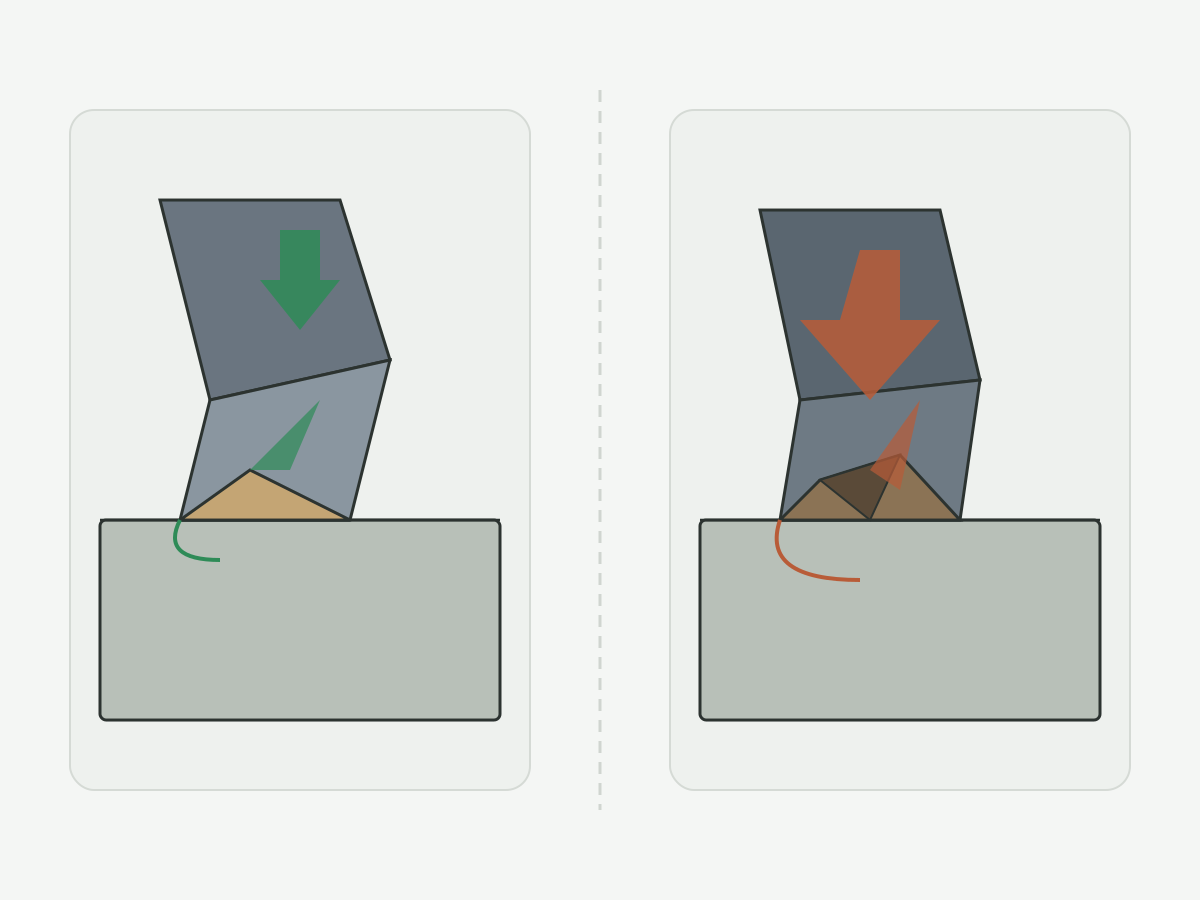
Schematic illustration - not a catalogue ranking or cutting-data table.
Insert style and effective rake at the cut
Positive-style turning inserts typically present a sharper cutting action and a lower cutting-force tendency when the holder pocket, clamp, and seating faces match. They are often reviewed first for continuous finishing on softer or more ductile materials when edge life is not dominated by impact. Negative-style inserts typically present stronger seating and more edge support. They are often reviewed first for tougher materials, heavier depths, or interrupted cuts when the machine and holder can carry the load.
Effective rake is not only the insert face angle. Lead angle (approach), tool inclination, nose radius, and edge prep (hone, chamfer, or T-land) all shift what the work sees. A negative insert with a sharp edge prep can still behave differently from the same negative insert with a heavy land. A positive insert forced into a mismatched pocket can lose seating and chatter even if the face angle looks "sharp" on paper.
Holder pocket fit is therefore part of rake selection, not a later admin step. Confirm inscribed circle (IC), thickness, clamp style, and seating faces against the holder before you freeze a style. A correct rake nickname still fails if the insert cannot seat. Product geometry for holders and insert systems belongs on turning tools and cutting inserts after the process choice is locked. Full shape-code and grade order stays on turning insert selection; this page owns the rake deep dive that page only summarized.
Sequence matters. Lock datum, then insert style with holder, then the sub-choice of edge prep and chipbreaker. Jumping straight to a grade nickname skips the style gate and is how wrong pockets and wrong edge lands enter the job packet. Hybrid jobs exist: rough with a stronger negative tendency, then finish with a positive tendency when the surface and force window allow. Write each stage as its own line. Do not merge hybrids into a single brochure promise.
Superhard inserts (PCD or CBN / PCBN) still need a rake and edge-prep story matched to the workpiece group, but series selection and abrasive-wear gates belong on PCD turning inserts and CBN / PCBN inserts. Do not treat a superhard grade nickname as a substitute for locking positive versus negative conditions on the traveler.
Cutting force and edge strength tradeoffs
Rake choice is largely a force-versus-strength tradeoff under stated conditions. Moving toward positive rake often reduces the cutting-force component that loads the edge and the machine, which can help surface finish and power margin on continuous soft cuts. Moving toward negative rake often increases the wedge of support behind the edge, which can help survive higher specific cutting pressure or intermittent impact when seating is solid.
Those are industry tendencies, not absolute guarantees for every spindle, stick-out, or coolant plan. A positive edge that looks ideal on a brochure can chip if the cut is interrupted or the hone is too light for the material. A negative edge that looks "safe" can rub, push burrs, or demand more power than a light finish pass needs. Write the expected force window and the edge-support need on the same line, then pick the tendency that matches both.
Machine and holder stiffness sit inside the same decision. Longer stick-out, worn turret faces, or soft clamping can erase the benefit of either style. Toolholding literacy linked above supports naming clamp and seating checks; it does not replace a first-off on your machine. If the only available holder in the crib fails the seating sketch, change the style or pull a custom RFQ rather than forcing a near-miss pocket into production.
Heat and chip flow follow the force story. Positive faces often encourage chips to leave more freely on ductile continuous cuts; negative faces often thicken the chip and load the face differently. Chipbreaker geometry still matters and is owned mainly by the sibling selection guide. Here, only flag that rake style and chipbreaker must be consistent on the traveler so you do not pair a low-force face with a breaker meant for heavy interrupted steel without an engineering note.
Do not invent numeric force tables or life multipliers on this page. Public cutting-force research entries linked above are literacy for how forces are measured in labs; they are not HC measured results for your part. If you need a quantified window, record it from a controlled trial or leave the RFQ field blank for engineering review.
Material groups and interrupted cuts
Material and interruption filter rake tendency after datum and holder fit are clear. Soft, ductile, continuous finishing (many aluminum and mild-steel finish passes) often reviews a positive tendency first when the edge can survive and the chipbreaker can handle long chips. Harder steels, abrasive conditions, cast skins, or scale often review a stronger or more negative tendency first when power and seating allow.
Interruption is a separate gate. Keyways, crossed holes, cast parting lines, and eccentric stock turn a continuous assumption into an impact problem. Negative or otherwise stronger edge support is often reviewed first for interruption, but only after holder seating and stick-out are honest. A positive finishing insert left in an interrupted roughing pass is a common chipping path. Write continuous versus interrupted explicitly; do not hide it under a material nickname alone.
Coolant and lubrication interact with both gates. Flood, high-pressure, or mist strategies change heat and chip wash but do not erase a wrong rake choice. If the print or process sheet is silent on coolant, leave that field visible on the RFQ instead of assuming a shop default will save a mismatched edge.
Milling uses rake language too, but on this page milling is only a support reminder: do not copy a milling catalog rake habit onto a lathe insert pocket without re-checking datum, holder, and interruption for turning. For threading route selection after the insert rake path is locked, see internal vs external threading methods. For blind-hole tap flute and chamfer families, see tap types for blind holes.
When two materials or two interruption patterns appear on one traveler, split the lines. A mixed "steel and aluminum, some keyways" packet that picks one rake nickname for everything usually returns clarifying questions and costs a cycle.
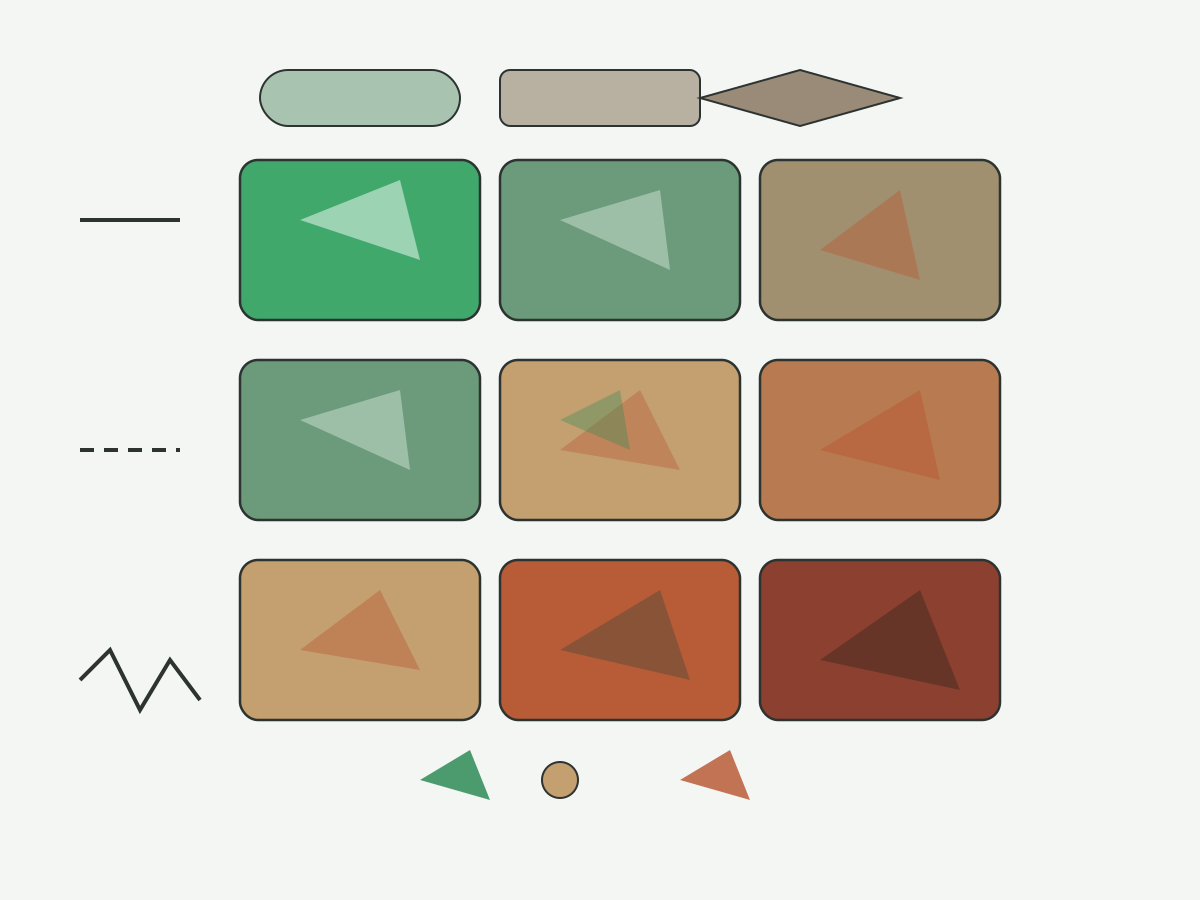
Schematic illustration - not a catalogue ranking or cutting-data table.
Worked examples (intent gates, not measured HC cases)
These examples are intent gates for traveler language. They are not measured customer results, life studies, or priced jobs.
| Situation | Rake tendency | Stop if missing |
|---|---|---|
| Aluminum OD finish, continuous cut, matched positive pocket | Positive style often first | Edge prep for built-up edge risk; chipbreaker for long chips; holder seating |
| Mild steel OD roughing with a keyway interrupt | Negative or stronger edge support often reviewed | Interrupt plan; clamp rigidity; chipbreaker for medium chips |
| Hardened steel finish, continuous, high specific pressure | Stronger seating / careful edge prep; style confirmed with grade class | Hardness band; power margin; do not invent feeds here |
| Cast iron with skin and scale, light interrupt from parting line | Negative tendency often reviewed if pocket allows | Skin/scale note; abrasive wear path; seating faces clean |
Use the examples as stop rules. If the situation matches a row but a Stop-if-missing cell is empty, do not promote the job to production feeds. Fill the cell, run a controlled first-off, or open RFQ with the blank visible. Invented completeness is worse than an honest incomplete packet.
If two rake styles both look plausible, write both on the engineering note and settle with a controlled first-off rather than inventing a universal ranking. After rake style is locked, continue shape, grade, and chipbreaker on turning insert selection, then series selection on the product pages linked above.
Conditional compare: positive vs negative (not a ranking)
| Question | Positive tendency | Negative tendency |
|---|---|---|
| Force window | Often lower cutting force on continuous soft cuts | Often higher force; machine must carry it |
| Edge support | Sharper wedge; more sensitive to impact | More material behind the edge; better impact support when seated |
| Typical first review | Continuous finishing, ductile materials, matched positive pocket | Interrupted cuts, tougher materials, stronger negative pocket |
| Holder risk | Pocket mismatch or light clamp loses seating | Wrong thickness/IC or dirty seat still fails |
| When to pause | Interrupt or hard skin without edge-prep plan | Light finish needing low force without power/heat check |
Read across a row, not down a marketing column. A cell that says "often" is a tendency under stated conditions, not a warranty. When your material, interruption, or machine list disagrees with a tendency, prefer the disagreeing evidence and document why. The sibling turning insert selection guide owns shape, grade, and chipbreaker order so this compare table can stay short on purpose.
This table is conditional teaching language. It does not rank brands, invent feeds, or promise life. Re-check every cell against the print, material condition, and machine list before production.
Procurement checklist (RFQ inputs)
Before you open custom cutting tool RFQ, lock these fields or leave them explicitly blank:
- Rake datum: tool rake versus effective rake (and the reference you used)
- Positive versus negative style intent; pocket, clamp, IC, thickness if known
- Operation: OD, ID, face; continuous versus interrupted; depth and feed intent as known
- Material grade and condition; hardness band if relevant; skin/scale notes
- Edge-prep and chipbreaker notes (or "unknown - confirm")
- Machine and holder: stick-out, turret/holder ID, coolant plan
- Acceptance: roughness tendency, dimensional check, or other named method
- Quantity and timeline as known; leave unknown commercial fields blank (no invented price or life)
Browse other process guides from the resources hub when you need a sibling chart. Do not paste unfinished numbers into the RFQ to look complete.
Confirm the specification with engineering support
When the traveler still has open fields on rake datum, insert style, holder fit, force window, or interruption, stop guessing. HC engineering review can help match drawing language to a positive or negative rake setup without publishing a public price list. Default engineering sign-off for Knowledge bylines is Jiack Liu, Engineering Director; Operations Director Kevin Zeng owns the published process framing. Do not invent a Reviewed date in paste.
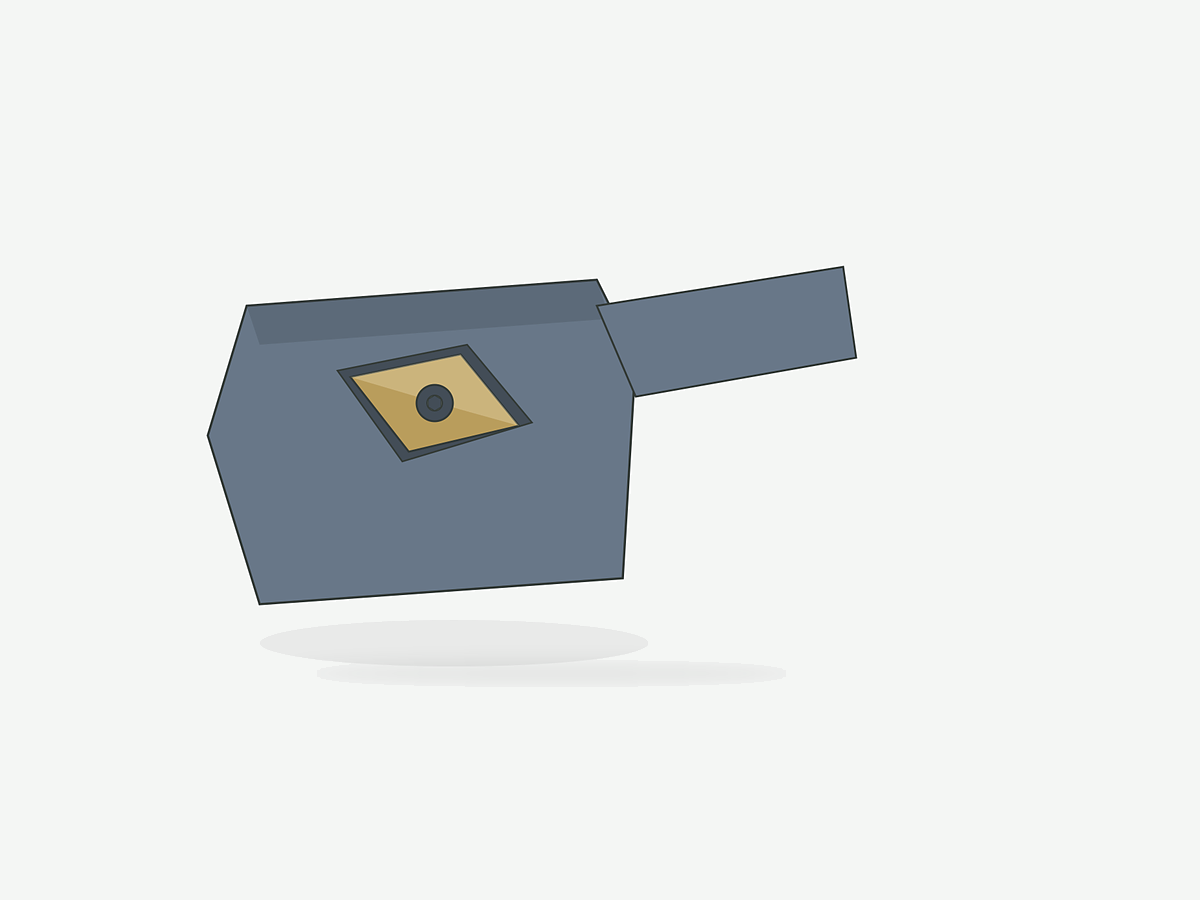
If you already know an insert series nickname but not the rake datum or pocket fit, pause. Product pages answer buy-select questions after process selection. Sending an RFQ that only names a catalog nickname without rake style, holder interface, and acceptance usually returns clarifying questions and costs a cycle. Put the process facts first; series codes second.
Send the print, material note, and machine list through custom cutting tool RFQ. Quote turnaround after complete drawing information is typically one to two working days; that is quotation response time, not manufacturing lead time. Series selection continues on cutting inserts, turning tools, PCD turning inserts, and CBN / PCBN inserts after the rake conditions are locked. Full selection order continues on turning insert selection.
Positive vs Negative Rake Angles FAQ
What is the difference between positive and negative rake?
Positive rake tilts the rake face so the edge presents a sharper wedge into the work. Negative rake tilts the face the other way so more material sits behind the edge. Always name whether you mean tool rake or effective rake before you compare labels.
When should I choose a positive rake insert for turning?
Positive style is often reviewed first for continuous finishing on softer or ductile materials when the holder pocket matches and the edge can survive. Confirm force window, chipbreaker, and interruption before locking it for production.
When should I choose a negative rake insert?
Negative style is often reviewed first for tougher materials, heavier cuts, or interrupted work when seating is solid and the machine can carry the force. Treat it as conditional, not automatic for every steel job.
Is effective rake the same as the catalog insert rake?
Not always. Effective rake includes lead angle, inclination, edge prep, and wear land effects. Write the datum you used so a later shift does not chase the wrong number.
How does holder pocket fit relate to rake choice?
Rake style and pocket sit together. A correct nickname still fails if IC, thickness, clamp, or seating faces do not match. Confirm pocket fit before freezing positive or negative style.
Does interrupted cutting always require negative rake?
No. Interruption often pushes toward stronger edge support, which may be a negative style or a carefully prepped edge in a suitable pocket. Confirm stick-out, clamp rigidity, and chipbreaker; do not use interruption as a slogan that skips those checks.
What belongs in an RFQ for rake-related insert selection?
Rake datum and style intent, holder interface, operation and interruption notes, material and condition, edge-prep or chipbreaker notes, coolant, and acceptance method. Leave unknown commercial fields blank. Do not invent life, price, or case counts.
Where do I go next after locking rake style?
Continue shape, grade, and chipbreaker on the turning insert selection guide, then use cutting-inserts and turning-tools product pages for series geometry. Superhard families have their own product pages when abrasive wear justifies them.
Sources and related guides
Outbound references support rake and clearance literacy, turning and metal-cutting process naming, cutting-force and manufacturing research entries, standards and metrology portals, toolholding and machining-data literacy, and cutting-research institute overviews cited in the body. Manufacturer-specific catalogs remain tied to their own products. The decision walkthrough is an HC editorial teaching aid, not a measured customer result. Sources checked 25 October 2026 (Asia/Shanghai).
Related on-site: turning insert selection · cutting inserts · turning tools · PCD turning inserts · CBN / PCBN inserts · custom cutting tool RFQ · resources.