
Search results for thread-insert and rivnut hole sizes often mix fastener catalogs, STI nicknames, and generic drill charts on one screen. Process engineers then still lack a single place to decide which hole family fits the print: a wire or solid thread insert in a tapped STI pilot, or a rivnut-style sleeve set by grip range and sheet thickness, before they open an RFQ.
HC publishes this guide as a process-selection page for thread-insert and rivnut hole boundaries. You lock insert versus rivnut difference first, then the named maker and model (not a fake universal size stock table), then STI pilot and tapping path, then rivnut hole, sheet thickness, and install conditions, then lookup and inspection into RFQ. The page does not host absolute size matrices copied as if they were HC stock, unverified life claims, or public prices. Unified cut-tap pilot charts live on the tap drill size chart. Clearance-hole intent for bolts (not insert sleeves) lives on the bolt clearance hole chart. Internal versus external threading route selection lives on internal vs external threading methods. Pipe-taper pilots live on NPT tap drill sizes. A common fastener size example lives on 1/4-20 tap drill size. Tap series and buy-select geometry belong on the taps product page. Drill series for hole prep belong on carbide drill bits. Here you lock insert and rivnut hole-size selection inputs before RFQ. Milling is only a one-line support note on this page, not a second pillar.
Jump: Decision flow · Insert vs rivnut · Maker and model · STI pilot and tapping · Rivnut hole and install · Examples · Compare · RFQ checklist · Confirm · FAQ
Quick answer
- Name insert versus rivnut first: a thread insert (wire STI or solid) restores or creates an internal thread in a prepared tapped hole; a rivnut-style fastener is a sleeve installed into a drilled hole in sheet, locked by grip range and upset. Write which family the print owns before you open any size chart.
- Specify maker and model: hole diameter, pilot, and grip data come from the named manufacturer datasheet for that part number. Do not treat a random web table as a universal stock matrix for every brand.
- For STI: lock pilot, STI tap, and parent thread: confirm drill (or ream) size, STI tap size, and the finished internal thread the insert will leave. Use sibling tap-drill pages for ordinary cut-tap pilots; do not paste STI numbers into a standard UNC chart without an engineering note.
- For rivnut: lock hole, sheet thickness, and grip: confirm recommended hole diameter, grip-range window against actual stack-up, and install tooling. A hole that fits one grip band can fail the next sheet thickness.
- Lookup, inspect, then RFQ: record the datasheet revision, first-off checks, and tool callouts, then open custom cutting tool RFQ instead of inventing life or price digits.
Decision flow: family → maker/model → hole path → inspect → trial
Selection path (stop when a field is missing):
| Step | What you lock | If missing |
|---|---|---|
| 1 Family | Thread insert (STI/solid) vs rivnut-style sleeve named on the traveler | Stop; do not jump to a drill nickname |
| 2 Maker and model | Manufacturer, part number, datasheet revision | Do not invent a universal size chart |
| 3 Hole path | STI pilot + STI tap, or rivnut hole + grip vs sheet | Mark engineering-confirm; do not force habit |
| 4 Inspection | Go/no-go or optical check matched to the finished thread or upset | Escalate before production |
| 5 Trial and RFQ | First-off notes + matched RFQ package | Open RFQ with incomplete fields if needed |
Read the steps in order. Shops often over-weight a familiar drill letter or a brochure "works for 1/4-20" claim. That habit skips whether the print is even an STI insert versus a rivnut sleeve, whether the maker datasheet matches the part number on the BOM, and whether sheet thickness sits inside the grip window. Keep family and maker/model on the same traveler line so a label like insert hole does not hide a second process choice.
Public fastener and thread nomenclature such as this thread basics overview helps name major/minor language without turning this page into a bolt encyclopedia. Tapping literacy such as this tapping knowledge overview and this CNC threading and tapping overview supports STI pilot and tap naming. Standards literacy such as this codes and standards portal, this international standards catalogue entry, and this national standards overview supports thread-system naming. Metrology literacy such as this public metrology laboratory entry and this international metrology portal keeps units honest on the traveler. Manufacturing research portals such as this public manufacturing programs entry and machining-data literacy such as this machining data literacy portal support process-boundary language without claiming measured HC results. Toolholding literacy such as this toolholding technical tips overview helps name holder and runout checks when drill or tap quality matters to the pilot.
Thread insert vs rivnut: different hole families
A thread insert (commonly a wire STI insert, sometimes a solid bushing-style insert) sits inside a prepared hole that is usually drilled and then tapped with an STI tap sized for that insert family. After installation, the insert presents a finished internal thread (for example a standard UNC or metric class intent named on the print). The critical prep sizes are the STI pilot diameter and the STI tap designation, not the ordinary cut-tap drill you would use if you tapped the parent material directly.
A rivnut-style fastener (rivet nut / blind threaded insert for sheet) is a sleeve installed into a round hole in sheet or thin wall. The sleeve upsets or expands to clamp a grip range of thickness. The critical prep size is the recommended hole diameter from the maker for that sleeve, plus confirmation that actual stack-up sits inside the published grip window. You typically do not run an STI tap path for a rivnut hole.
Do not treat "make a 1/4-20 hole" as one SKU family. The same nominal thread on a print can mean an STI insert in aluminum casting, a rivnut in sheet metal, or a plain tapped hole with no insert at all. Write family, parent material, and install method before you open a drill chart. Ordinary bolt clearance holes (pass-through, not threaded sleeves) belong on the bolt clearance hole chart, not on this page as a substitute table.
Shop-floor language often collapses "put an insert in it" into one verb. That shortcut hides whether the mating part is a wire insert, a solid insert, or a rivnut sleeve, whether the blank already has a pilot, and whether acceptance is a thread gauge or an upset/flush check. Write those three facts on the traveler before any catalog search. If the print only shows a callout bubble without a section view, stop and ask for a clearer drawing rather than guessing the family from habit.
When the print mixes both families on one part, split the traveler: insert route and rivnut route each get their own hole size, tool, and acceptance line. Mixing them into one "insert job" line is a common source of wrong pilots and wrong grip failures later.
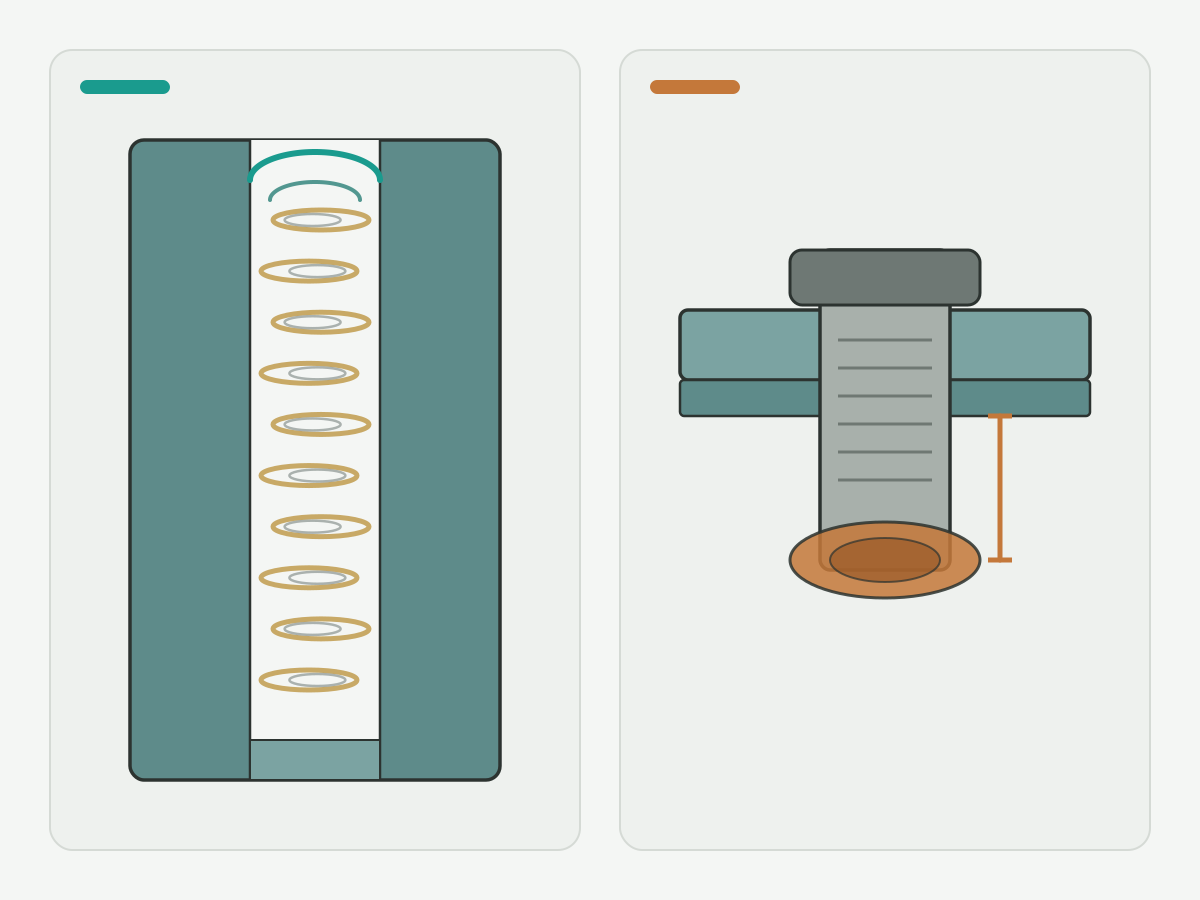
Schematic illustration - not a catalogue size table or ranking.
Specify maker and model (no universal stock size table)
Hole diameters for inserts and rivnuts are manufacturer- and model-specific. Two sleeves that both claim a 1/4-20 internal thread can require different hole diameters, different grip bands, and different install tools. Wire STI systems likewise publish pilot and STI tap pairings per series. This Knowledge page therefore does not publish a fake universal absolute size chart as if it were HC stock for every brand.
Lock these fields on the traveler before you pick a drill:
- Manufacturer name and exact part number (or series + dash size) from the BOM or print
- Datasheet or catalog revision you used
- Recommended hole diameter (and tolerance if stated)
- For rivnuts: grip range versus measured sheet or stack-up
- For STI: pilot size, STI tap designation, and finished internal thread callout
If the BOM only says "insert" without a part number, stop. Asking engineering for the maker/model is cheaper than drilling a hole that matches a random web table. Sibling pages such as the tap drill size chart and 1/4-20 tap drill size cover ordinary cut-tap pilots; they are not a substitute for STI or rivnut maker data. Pipe tapers stay on NPT tap drill sizes.
Export jobs often mix inch thread callouts with metric sheet thickness. Translate units on the traveler and attach the datasheet page you followed. If translation is unclear, leave the RFQ field blank and ask; do not invent a drill letter to look complete.
Coatings, plating, or paint after install can change fit and gauge feel. Call post-process state as a process note. This page does not publish coating compensation tables; it only flags that acceptance must match the finished state the print actually ships.
STI pilot hole and tapping path
For wire STI (and many solid insert) systems, the production sequence is typically: drill or ream the STI pilot, tap with the matching STI tap, install the insert to the specified depth, then gauge the finished internal thread. The STI pilot is larger than the ordinary tap drill for the same finished thread size because the insert wall occupies space. Copying a standard UNC tap-drill row onto an STI job is a common scrap path.
Lock STI path fields as a checklist:
- Finished internal thread system and size from the print (for example a 1/4-20 class intent)
- STI series and STI tap designation from the maker
- Pilot diameter and tolerance from the same datasheet
- Hole depth / insert length / through versus blind notes
- Installation tool and break-off or tang handling per maker instructions
- Acceptance gauge for the finished thread after install
Ordinary cut-tap pilot literacy and size charts belong on tap drill size chart and size pages such as 1/4-20 tap drill size. Tap product geometry belongs on taps. For ordinary blind-hole flute and chamfer families, see tap types for blind holes; do not treat taper / plug / bottoming nicknames as settled STI rules here. Internal versus external flank route selection, when the print is still deciding whether the feature is even an internal insert path, stays on internal vs external threading methods. Positive versus negative rake for turning inserts is covered on positive vs negative rake angles when the lathe path is the next decision after hole prep.
Drill quality matters to STI pilots. Runout, wander, and oversize holes shrink the STI tap engagement window. Carbide drill series selection for hole prep continues on carbide drill bits after the datasheet diameter is locked. This page does not invent feeds, life, or a fake STI size stock matrix.
If the parent material is thin or the wall is interrupted, confirm that STI tap torque and insert install load will not crack the feature. When in doubt, mark engineering-confirm and keep the RFQ package incomplete rather than guessing a smaller pilot.
Rivnut hole, sheet thickness, and install
For rivnut-style sleeves, the sequence is typically: drill (or punch) the recommended hole, deburr as required, install with the specified tool to upset the sleeve within the grip range, then check flush/upset and the internal thread. The hole diameter comes from the maker for that sleeve. The grip range must cover the actual sheet thickness or stack-up, including coatings if they add thickness.
Lock rivnut path fields as a checklist:
- Sleeve part number and datasheet revision
- Recommended hole diameter and tolerance
- Grip-range minimum and maximum versus measured stack-up
- Head style, body length, and material compatibility notes from the maker
- Install tool (manual, pneumatic, or spin-pull) and setting verification
- Acceptance: upset/flush criteria and internal thread gauge after install
A hole that "looked fine" for one grip band can spin or fail to upset when the sheet is outside the window. Measure thickness; do not assume nominal gauge from memory. Clearance holes for bolts that pass through without a rivnut are a different intent and belong on the bolt clearance hole chart.
Edge distance, hole quality, and soft or hard sheet alloys change spin-out risk. Maker notes often list minimum edge distance and material limits. Copy those constraints onto the traveler; do not invent HC spin-out percentages. If the print calls a rivnut in a cast boss instead of sheet, confirm that the family is still correct; some jobs actually need a solid insert or a tapped hole instead.
Milling can open or finish a pocket near a rivnut feature, but on this page milling is only a support reminder: do not copy a milling cutter diameter habit onto a rivnut hole callout without re-checking the maker hole diameter and grip window.
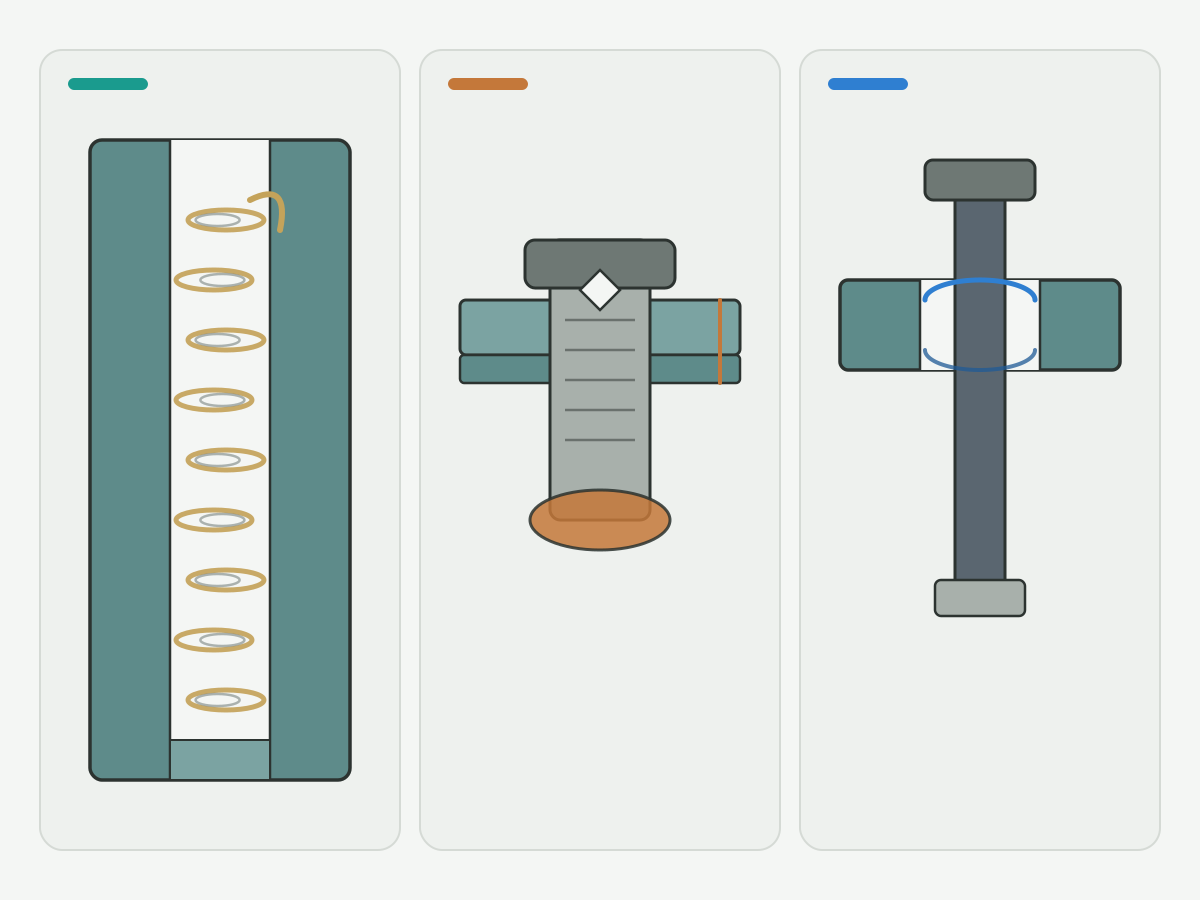
Schematic illustration - not a catalogue size table or ranking.
Worked examples (intent gates, not measured HC cases)
These examples are intent gates for traveler language. They are not measured customer results, life studies, or priced jobs. They do not publish absolute drill letters as a universal chart.
| Situation | Family tendency | Stop if missing |
|---|---|---|
| Cast aluminum boss, restore 1/4-20 after damage | STI wire insert path often reviewed | Maker/series, STI pilot, STI tap, finished gauge plan |
| Thin steel sheet, 1/4-20 blind fastener from one side | Rivnut-style sleeve often reviewed | Part number, hole dia from datasheet, grip vs thickness |
| Through bolt in thick plate, no sleeve required | Not this page; clearance or plain tap intent | Redirect to clearance or tap-drill sibling guides |
| Metric internal thread in sheet with paint after install | Rivnut or insert per BOM; post-coat note required | Datasheet revision; finished-state acceptance |
Use the examples as stop rules. If the situation matches a row but a Stop-if-missing cell is empty, do not promote the job to production drills. Fill the cell, run a controlled first-off, or open RFQ with the blank visible. Invented completeness is worse than an honest incomplete packet.
If STI and rivnut both look plausible, write both on the engineering note and settle from the BOM and section view rather than inventing a universal ranking. Product pages for taps and carbide drill bits take series selection after the hole family and datasheet size are locked.
Conditional compare: hole families (not a ranking)
| Question | STI / thread-insert tendency | Rivnut-style tendency | Ordinary tap or clearance |
|---|---|---|---|
| Typical host | Tapped pilot in casting or thick wall | Drilled hole in sheet / thin wall | Plain tapped hole or bolt pass-through |
| Size source | Maker STI pilot + STI tap pair | Maker hole dia + grip range | Tap-drill or clearance sibling charts |
| Install story | Insert into STI thread | Upset sleeve within grip | No sleeve / no STI path |
| When to pause | No maker series or STI tap callout | Thickness outside grip or no part number | Wrong page if an insert is actually required |
Read across a row, not down a marketing column. A cell that says "often" is a tendency under stated conditions, not a warranty. When your BOM, datasheet, or section view disagrees with a tendency, prefer the disagreeing evidence and document why. Sibling pages exist so this compare table stays short: ordinary tap drills, bolt clearance, NPT pilots, and threading routes live elsewhere on purpose.
This table is conditional teaching language. It does not rank brands, invent hole diameters, or promise life. Re-check every cell against the print, maker datasheet, and measured thickness before production.
Procurement checklist (RFQ inputs)
Before you open custom cutting tool RFQ, lock these fields or leave them explicitly blank:
- Family: STI/solid thread insert vs rivnut-style sleeve (and both if the part needs two routes)
- Manufacturer, part number, and datasheet revision
- Finished internal thread system and size from the print
- For STI: pilot diameter intent, STI tap designation, depth / blind notes
- For rivnut: hole diameter intent, grip range, measured sheet or stack-up
- Parent material and condition; coating or paint before/after install
- Machine and tools: drill series intent, tap holder, install tool
- Acceptance: thread gauge and/or upset/flush criteria
- Quantity and timeline as known; leave unknown commercial fields blank (no invented price or life)
Browse other process guides from the resources hub when you need a sibling chart. Do not paste unfinished numbers into the RFQ to look complete. Do not attach a random universal size table in place of the maker datasheet.
Confirm the specification with engineering support
When the traveler still has open fields on family, maker/model, pilot or hole diameter, grip versus thickness, or gauges, stop guessing. HC engineering review can help match drawing language to a drill and tap path for insert or rivnut hole prep without publishing a public price list or a fake universal size chart. Default engineering sign-off for Knowledge bylines is Jiack Liu, Engineering Director; Operations Director Kevin Zeng owns the published process framing. Do not invent a Reviewed date in paste.
If you already know a tap or drill series nickname but not the insert family or maker part number, pause. Product pages answer buy-select questions after process selection. Sending an RFQ that only names a catalog nickname without family, datasheet size, and acceptance usually returns clarifying questions and costs a cycle. Put the process facts first; series codes second.
Send the print, maker datasheet page, material note, and measured thickness through custom cutting tool RFQ. Quote turnaround after complete drawing information is typically one to two working days; that is quotation response time, not manufacturing lead time. Series selection continues on taps and carbide drill bits after the hole family and datasheet sizes are locked. Ordinary pilots and clearance continue on the sibling Knowledge guides linked above.
Thread Insert and Rivnut Hole Size FAQ
What is the difference between a thread insert and a rivnut?
A thread insert usually installs into a prepared STI tapped hole and then presents a finished internal thread. A rivnut-style sleeve installs into a drilled hole in sheet and clamps a grip range of thickness. Lock which family the print owns before you pick a drill size.
Can I use a standard tap-drill chart for STI inserts?
Not as a drop-in substitute. STI pilots are sized for the insert series and are typically larger than the ordinary cut-tap drill for the same finished thread. Use the maker STI datasheet for pilot and STI tap pairing; use ordinary tap-drill pages only for plain tapped holes.
Why does this page not publish a full size table?
Hole diameters and grip ranges are manufacturer- and model-specific. A universal absolute chart would invent stock that does not match every brand. Specify maker and part number, then read that datasheet.
How do I choose a rivnut hole diameter?
Take the recommended hole diameter from the named sleeve datasheet, then confirm actual sheet or stack-up sits inside the published grip range. Deburr and install per the maker tool instructions before gauging the internal thread.
What if my sheet thickness is outside the grip range?
Do not force the sleeve. Change to a different grip band or part number, change the stack-up, or revisit whether a rivnut is the right family. Document the measured thickness on the traveler.
Where do bolt clearance holes fit?
Bolt clearance is a pass-through intent without an insert sleeve. Use the bolt clearance hole chart for that path. Do not treat clearance rows as rivnut or STI pilots.
What belongs in an RFQ for insert or rivnut hole tools?
Family, maker and part number, datasheet revision, finished thread callout, pilot or hole diameter intent, grip versus thickness for rivnuts, material, tools, and acceptance method. Leave unknown commercial fields blank. Do not invent life, price, or case counts.
Where do I go next for taps or drills?
After the hole family and datasheet sizes are locked, use the taps product page for tap series and the carbide drill bits product page for drill series. Sibling Knowledge guides cover ordinary tap drills, bolt clearance, NPT pilots, and internal versus external threading routes.
Sources and related guides
Outbound references support fastener and thread literacy, tapping and CNC threading process naming, standards and metrology portals, machining-data and toolholding literacy, and manufacturing research entries cited in the body. Manufacturer-specific insert and rivnut catalogs remain tied to their own part numbers and must be read for hole and grip data. The decision walkthrough is an HC editorial teaching aid, not a measured customer result and not a universal size stock table. Sources checked 25 October 2026 (Asia/Shanghai).
Related on-site: tap drill size chart · bolt clearance hole chart · internal vs external threading methods · NPT tap drill sizes · 1/4-20 tap drill size · taps · carbide drill bits · custom cutting tool RFQ · resources.