
This page helps CNC process engineers, programmers, and tooling buyers diagnose milling surface finish and tool marks before RFQ. It names qualitative typology of cutter marks, feed lines, and vibration traces; finish versus rough stock and toolpath direction; and geometry or rigidity levers that change the mark pattern. Sister OWN stays on the live machining surface-finish book for Ra/Rz and turning or reaming improvement, on face-milling and three-way guides for cutter-family framing, and on slot and peripheral guides for feature selection. This page is milling tool-mark diagnosis OWN; it is not a chatter encyclopedia, slot/T-slot book, face-milling process encyclopedia, fly-cutter versus face-mill encyclopedia, 2-versus-4 encyclopedia, coatings or size-chart book, full SFM library, climb long guide, peripheral process book, or holemaking / reamer surface OWN, and it does not invent an unconditional ranking, price, life claim, or Ra case number.
Start from the live milling tools guide for cutter-family framing. Soft-split peer for Ra/Rz measurement and turning or reaming improvement: live machining surface finish (that page owns general finish literacy; this page owns milling mark diagnosis). Face engagement: live face milling guide. Family compare: live face mill vs shell mill vs end mill. Side-edge: live peripheral milling. Sense gates: live climb vs conventional milling. Open-slot versus T-slot: live slot milling tools guide. Flute-count gates: live 2 flute vs 4 flute end mill. Constructions: carbide end mills; optional shell mills when arbor form is adjacent. A machining-chatter diagnosis overview will be linked after it publishes (soft-note until live). Hole-side vibration literacy sits on live PCD reamer chatter and vibration diagnosis and is not milling OWN here.
Quick answer
- Type the mark before changing the catalogue number: prefer a named pattern first: regular feed lines from tooth pitch and feed per tooth, cusp or scallop from step-over, burnish or smeared lands from wrong stock or dull edge, and irregular vibration traces that change with stick-out or fixture. Do not treat every striped face as "chatter" and do not invent an Ra case number from a photo alone.
- Separate finish stock and toolpath from roughing habits: prefer a dedicated finish pass with named stock allowance, ae/ap intent, and climb or conventional sense locked on the sheet. Prefer changing path direction, step-over, or stock before swapping substrate slogans when the mark is regular and tied to the program.
- Change geometry or rigidity when the mark tracks the tool or setup: prefer shorter stick-out, stiffer holder, appropriate flute count and nose radius for the finish pass, and a fixture that does not ring. Prefer opening RFQ with mark type, stock, path, and acceptance method named rather than asking for "the smoothest mill."
- Next step: lock mark typology, finish versus rough plan, stock and path, geometry and rigidity boundaries, then open RFQ with finish-milling or surface-mark review intent. Do not invent life, price, ROI, or Ra promises from tool-family slogans.
Judgment path (stop when a field is missing):
| Step | What you lock | If missing |
|---|---|---|
| 1 Mark type | Feed lines / cusp / burnish / irregular vibration trace / mixed | Stop; photograph and name the pattern before changing tools |
| 2 Finish vs rough | Stock left for finish, ae/ap intent, sense gate | Do not copy rough feeds onto the finish pass |
| 3 Path and engagement | Step-over, entry/exit, climb vs conventional note | Keep path open; do not blame the substrate alone |
| 4 Geometry and rigidity | Dc, flute count, nose radius, stick-out, holder, fixture | Do not invent life % as a substitute |
| 5 Acceptance | Visual policy, lay direction, Ra/Rz method if named on print | Do not ramp without a named method |
| 6 Trial and RFQ | Trial-cut record + matched RFQ package | Open RFQ with incomplete SKU if needed |
Jump: Mark typology · Finish vs rough, stock and path · Geometry and rigidity · Shop scenarios · Marks comparison · Process checklist · RFQ · Confirm · FAQ
Qualitative typology of milling tool marks
Shops often call every striped face "chatter." Lock a qualitative type before debating catalogue diameter, coating slogans, or an invented Ra number from a phone photo.
- Regular feed lines (tooth marks): parallel ridges whose spacing tracks feed per tooth and effective flute count. Prefer checking fz and whether one flute dominates. Regular spacing that scales with feed is usually feed lines, not a chatter encyclopedia case.
- Cusp / scallop from step-over: arched residual ridges from step-over on ball, bull-nose, or radiused flat tools. Prefer naming step-over beside nose geometry. Face-width detail stays on the live face milling guide; this page only gates the mark type.
- Burnish, smear, or rubbed lands: shiny flattened patches or heat tint when stock is too thin, the edge is dull, or rub dominates. Prefer recovering stock and edge condition before changing family slogans.
- Irregular vibration traces: wandering or beat-pattern marks that change with stick-out, clamps, or speed bands. Prefer naming setup stiffness first. A machining-chatter diagnosis overview remains soft-noted until live; this page only types the trace so feed lines are not mislabeled as chatter.
- Mixed marks: feed lines plus a secondary vibration overlay are common. Prefer fixing the dominant pattern first under one acceptance method. Do not invent a "best mill" ranking from a mixed photo.
- Out of OWN here: Ra/Rz metrology encyclopedias (live peer), chatter overviews (soft-noted until live), slot/T-slot selection, three-way face/shell/end books, coatings and size-chart books, full SFM libraries, and holemaking / reamer surface OWN.
Public surface-texture literacy such as this introduction to surface finish metrology and this surface finish metrology tutorial helps teams name parameters without inventing shop Ra cases. Parameter standards literacy such as this ISO surface texture profile parameters overview and this ISO surface texture specification overview frames naming only. Manufacturing society vocabulary such as this manufacturing society portal supports naming without inventing slang as a standard.
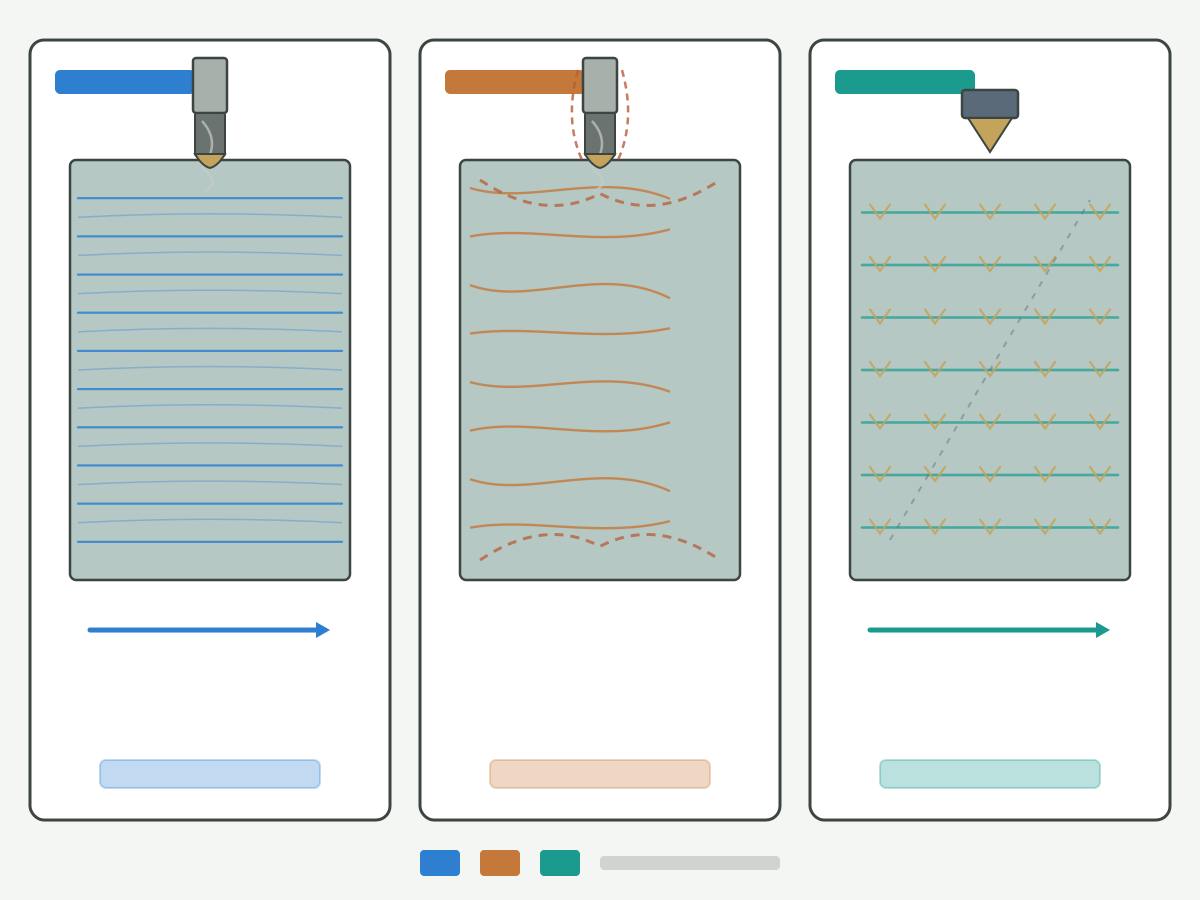
Schematic illustration: not a catalogue ranking or Ra case table. Confirm mark type names on your setup sheet and acceptance method.
Finish versus rough, stock allowance and toolpath
Finish marks often come from finishing with a roughing habit. Lock stock left for the finish pass, engagement intent, and path sense before blaming the cutter family.
- Stock allowance for finish: prefer named radial and axial stock the finish edge can cut cleanly. Too little stock invites rub and burnish; too much on a finish edge invites overload. Lock the value from material, tool data, and trial; do not invent a universal stock number here.
- Finish versus rough toolpath: prefer a dedicated finish pass with controlled ae/ap rather than "one last rough pass a little slower." Prefer constant step-over on faces accepted visually or by roughness method. Family framing stays on the live face mill vs shell mill vs end mill guide.
- Climb versus conventional on the finish pass: sense changes chip thickness at entry and can change mark direction. Prefer naming the sense gate on the sheet. Detail stays on the live climb vs conventional milling guide; this page only gates that sense belongs beside finish acceptance.
- Entry, exit, and direction changes: harsh plunges, abrupt redirects, and dwells leave local marks even when mid-pass looks fine. Prefer ramp or soft entry when allowed, and name exit clearance so the tool does not rub on retract.
- Slot walls and peripheral walls: trapped chips and side-wall rubbing change marks even when the face looks acceptable. Prefer the live slot milling tools guide and peripheral milling guide for those features without stealing those OWN books here.
Milling literacy such as this milling knowledge overview and this machining formulas overview helps teams name engagement and chip load without a universal catalogue ranking. Finish-process literacy such as this surface finish optimization overview supports naming levers; it is not an HC trial result. Practice portals such as this cutting tools practice overview and this CNC milling overview support reading mark symptoms; they are not shop Ra certificates.
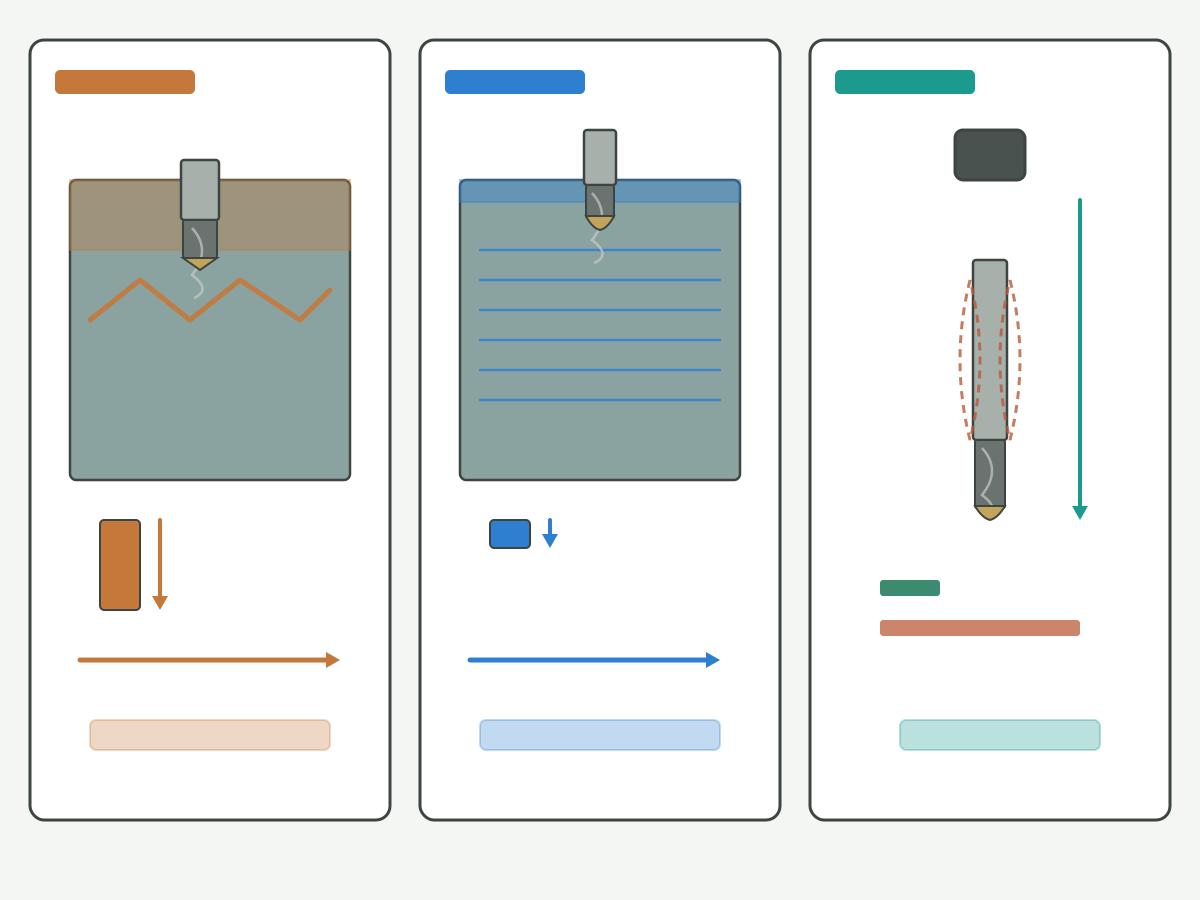
Schematic illustration: boundaries only, not a catalogue ranking. Confirm stock, ae/ap, step-over, and sense on your program and acceptance method.
| Finish / path lens | Typical first lever | Watch for | Escalate when… |
|---|---|---|---|
| Regular feed lines | fz, effective flutes, finish stock | One flute dominating; copied rough feed | Feed and flute notes never named |
| Cusp / scallop | Step-over vs nose radius | Visual rejection with "correct" Ra talk | Step-over missing on the sheet |
| Burnish / rub | Recover stock; check edge condition | Heat tint, smeared lands | Finish stock was never planned |
| Irregular vibration trace | Stick-out, holder, fixture first | Marks that track speed bands or clamps | Setup stiffness never checked |
Tool geometry and rigidity effects on marks (qualitative)
Geometry and rigidity belong as boundaries on the sheet, not as invented price or life curves. Keep numbers on the cutter data sheet and trial record; this page names what to lock.
- Flute count on the finish pass: more flutes can refine feed-line spacing at a given table feed, but they reduce gullet space and can pack chips in slots. Prefer naming flute intent beside material and feature. 2-versus-4 detail stays on the live 2 flute vs 4 flute end mill guide.
- Nose radius and corner prep: a larger corner radius can reduce cusp height for a given step-over, but it raises radial force on a soft setup. Prefer locking radius beside step-over and stick-out together.
- Stick-out and holder: long stick-out amplifies marks. Prefer the shortest workable stick-out that still reaches the feature. Toolholding literacy such as this toolholding overview belongs beside stick-out notes.
- Fixturing stiffness: ringing tables and light clamps turn a correct finish tool into irregular traces. Prefer stiffening the setup before changing substrate slogans. A machining-chatter diagnosis overview remains soft-noted until live.
- Face mill versus end mill on open faces: wide faces often lean face or shell bodies; pockets and walls lean end mills. Prefer naming the family from feature geometry. Family compare stays on the live three-way guide; browse shell mills when arbor form is adjacent.
- Acceptance method: visual policy, lay direction, Ra/Rz under a named standard, or a mix. Metrology literacy such as this public metrology laboratory entry, this NPL good practice guide on surface texture, and this PTB surface metrology overview supports naming acceptance beside trial notes. Do not invent an Ra case number here.
- Out of OWN here: price lists, MOQ, unverified lead times, invented life percentages, case-count marketing, full SFM libraries, and hole-reamer surface encyclopedias.
| Boundary | Lock on the sheet | Fail signal | Do not invent |
|---|---|---|---|
| Flute / nose / Dc | Finish tool geometry vs feature | Cusp height, feed-line pitch, overload marks | Life % from flute count alone |
| Stick-out / holder | Stick-out method, holder class | Irregular traces, taper, ringing | Price or ROI from holder slogans |
| Fixture / power | Clamp plan, usable power band | Stall, thermal trip, marks that track clamps | Unverified cycle-time claims |
| Finish acceptance | Visual / lay / Ra-Rz method if named | Rejects without a named method | Ra promise from tool family alone |
Standards literacy such as this codes and standards portal and this international standards overview frames industry naming only. Research society literacy such as this CIRP research portal frames process research boundaries only.
Concrete shop scenarios (qualitative)
Teaching aids only. No invented Ra case numbers, life percentages, prices, ROI, or customer counts.
- Striped face after "one last rough pass": usually regular feed lines from high fz or a dominant flute. Prefer a dedicated finish pass with named stock and fz; recheck under the same acceptance method. Do not swap coatings first.
- Pocket floor scallops after ball-nose finish: cusp height tracks step-over versus nose radius. Prefer reducing step-over or matching radius to acceptance before blaming spindle slogans.
- Burnished wall near a deep pocket floor: stock may be too thin, stick-out too long, or chips rubbing. Prefer recovering stock, shortening stick-out, and confirming evacuation. Slot and peripheral sisters own feature selection; here only gate the mark type.
- Marks change when clamps move: treat as irregular vibration traces tied to fixture stiffness. Prefer stiffening clamps and shortening stick-out. Soft-note the forthcoming machining-chatter diagnosis overview rather than hard-linking a 404.
- Face-mill lay differs from a prior end-mill finish: lay and cusp geometry differ by family. Prefer naming acceptance (visual lay versus parameter method) and whether the face should stay on a face or shell body. Three-way OWN stays on the live compare guide.
Marks, causes and first levers (conditional)
Use this table as a conditional map, not an unconditional ranking. Prefer the column that matches the bottleneck you named.
| Mark pattern | Likely process cause | First levers | Keep open / escalate when… |
|---|---|---|---|
| Regular feed lines | fz, flute engagement, finish stock too large or copied from rough | Named finish fz; effective flutes; dedicated finish stock | Feed notes missing; one flute dominating unchecked |
| Cusp / scallop | Step-over vs nose radius mismatch | Step-over; nose radius; path consistency | Acceptance method never named |
| Burnish / smear | Too little stock; dull edge; rub-dominated path | Recover stock; inspect edge; soft entry/exit | Finish stock was never planned |
| Irregular vibration trace | Stick-out, holder, fixture, speed-band interaction | Shorten stick-out; stiffen fixture; holder class | Setup never checked; soft-note chatter overview until live |
| Mixed marks | Finish habit plus soft setup | Fix dominant pattern first under one acceptance method | Team debates catalogue slogans without a typed mark |
A conditional table forces the bottleneck name onto the sheet. An unconditional "more flutes always give better finish" slogan is not a process. General Ra/Rz literacy stays on the live machining surface-finish peer; chatter overviews stay soft-noted until that page publishes.
Process checklist (conditional)
Use this checklist before RFQ. Prefer the row that matches the bottleneck you named. When tool family remains open, keep it open on the RFQ and trial under the same acceptance method.
| Decision lens | Lean path / stock change when… | Lean geometry / rigidity when… | Lean family change when… | Keep open / escalate when… |
|---|---|---|---|---|
| Mark type | Regular feed or cusp tied to program | Irregular trace tied to stick-out or clamps | Lay or cusp needs a different body family | Mark never typed |
| Stock / path | Finish stock and sense never named | Stock named but stick-out rings | Feature needs face/shell vs end body | Stock unknown |
| Geometry | fz and step-over wrong for current tool | Nose radius / flutes / Dc mismatch feature | End mill vs face/shell mismatch feature | Geometry notes missing |
| Rigidity | Path soft-entry missing | Stick-out, holder, fixture soft | Family change only after setup fixed | Power or clamp plan missing |
| Acceptance | Visual / lay / parameter method named | Same, with metrology conditions locked | Method requires different lay family | Print method unknown |
| Sister OWN pointer | Climb/peripheral/slot live guides for feature path | Soft-note chatter overview until live | Three-way and face-milling live guides | Wrong OWN being forced here |
| RFQ posture | State mark type + stock + path | State stick-out / holder / fixture notes | State family intent or open | Inputs incomplete and nobody will stop |
Procurement checklist (RFQ inputs)
Send what you know. Leave life, price, and unverified cycle-time fields blank. Do not invent an unconditional best-finish-mill ranking or an Ra case number.
- Drawing revision and finish callout (visual, lay, Ra/Rz method and standard if named).
- Material grade, condition, and coolant / MQL / dry / air-blast intent.
- Feature type (open face, pocket floor, wall, slot wall) and current mark type photos with scale notes.
- Current finish versus rough plan: stock left, ae/ap intent, step-over, climb versus conventional note.
- Current tool geometry: Dc, flutes, nose radius, stick-out, holder class; family intent (end mill, face mill, shell mill, or open).
- Fixture clamp plan, machine class, usable spindle power / torque band at planned RPM.
- Acceptance method and inspection conditions (direction, filter, evaluation length if a parameter is named).
- Trial-cut notes and identifiers for repeat orders.
Browse live constructions here: carbide end mills. Family framing for end mills versus face or shell bodies stays on the live face mill vs shell mill vs end mill guide. Open the request form when the package is ready: custom cutting tool RFQ.
Confirm the specification with engineering support
Before production ramp, confirm mark type, finish versus rough stock and path, geometry and rigidity boundaries, finish acceptance method, machine power band, and spare policy with engineering. Hand the package for a matched finish-milling or surface-mark review, not a catalogue guess. HENTRY / HC supports drawing-based carbide end-mill and related milling proposals. No price, MOQ, or unverified lead time is stated on this page.
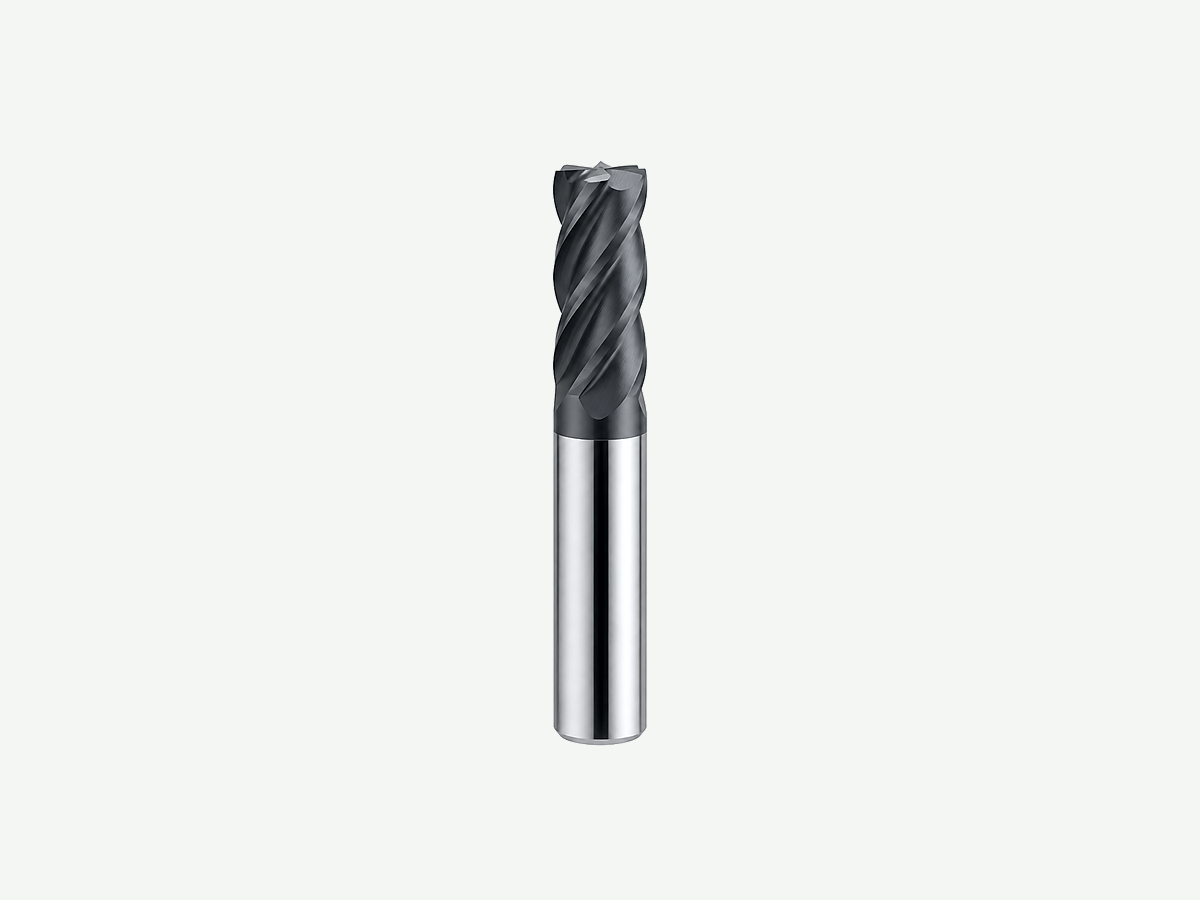
Specification fields to confirm
- Proposed tool model or drawing (finish end mill + holder, or face/shell mill + holder).
- Material grade / condition and coolant / air mode.
- Mark type, feature type, stock per finish pass, and path sense if known.
- Stick-out, holder class, and fixture clamp notes.
- Finish acceptance method (visual, lay, Ra/Rz under named conditions).
- Machine power / torque band and holder notes.
- Family intent (end mill, face mill, shell mill, or open).
- Inspection and sample acceptance expectations.
- Identifiers needed for repeat orders.
Trial plan (minimum)
- Same drawing revision and acceptance criteria as the checklist.
- First-off record of mark type, load, stock, stick-out, and path sense before compensation edits.
- Change one variable at a time under the same acceptance intent.
- Stop when marks look abnormal, chatter grows, chips pack, size drifts, or the tool rubs on exit.
- Do not claim a family "won" without those controls, and do not invent an Ra case number from a phone photo.
Review constructions: explore carbide end mills · explore shell mills. Research portals such as this CIRP research portal and this international standards overview support industry literacy only.
Request a finish-milling / surface-mark review
Suggested enquiry subject: finish milling marks - [material] - [feature] - [mark type] - [stock/path] - [family]
Milling Surface Finish and Tool Mark Diagnosis FAQ
How do I tell feed lines from vibration traces on a milled face?
Prefer regular, pitch-like ridges that scale with feed per tooth and effective flute count as feed lines. Prefer irregular, wandering, or beat-pattern marks that change with stick-out, fixture clamps, or speed bands as vibration traces. Mixed patterns are common; name the dominant type first under one acceptance method. Do not invent an Ra case number from a photo alone, and do not treat every stripe as chatter.
When should I change stock or toolpath before changing the cutter?
Prefer changing finish stock, step-over, entry/exit, and climb versus conventional sense when the mark is regular and clearly tied to the program. Prefer geometry or rigidity changes when the mark tracks stick-out, holder, or clamps. Prefer opening family questions only after stock and path are named. Do not invent life or cycle-time claims from path slogans alone.
How do finish versus rough habits create burnish or smear?
Too little finish stock, a dull edge, or a path that rubs more than it cuts can leave shiny smeared lands and heat tint. Prefer a dedicated finish pass with named stock and edge condition checks. Prefer soft entry and exit so the tool does not rub on retract. Do not copy rough feeds onto the finish pass and call it done.
What geometry and rigidity notes belong on the finish sheet?
Lock diameter, flute count, nose radius, stick-out, holder class, fixture clamp plan, usable spindle power band, and the finish acceptance method. Fail signals include irregular traces that track clamps, cusp height that ignores step-over, and rejects without a named inspection method. Do not invent life percentages, prices, ROI, or unverified case counts from family slogans alone.
Does more flutes always mean a better milled finish?
No. More flutes can refine feed-line spacing at a given table feed, but they reduce gullet space and can pack chips, especially in slots or deep walls. Prefer naming flute intent beside material, feature, and evacuation. Flute-count gates stay on the live 2-versus-4 guide; this page only types marks and finish levers.
Which inputs should I send in an RFQ for a finish-milling or surface-mark review?
Send drawing revision, material and coolant or air intent, feature type, mark-type photos, finish versus rough stock and path notes, tool geometry and stick-out, fixture and power band, acceptance method, trial notes, and family intent or open. Leave unverified life and price fields blank.
Does this page replace the machining surface-finish, face-milling, or chatter pages?
No. The live machining surface-finish guide keeps general Ra/Rz measurement and turning or reaming improvement OWN. Face-milling process detail, three-way face/shell/end taxonomy, milling-tools navigation, slot selection, peripheral milling, climb versus conventional, and 2-versus-4 each keep their live OWN. A machining-chatter diagnosis overview remains soft-noted until live. This page owns milling tool-mark typology, finish versus rough stock and path, qualitative geometry and rigidity effects on marks, the conditional process checklist, and the RFQ checklist only.
When does this page not apply?
It does not apply when you need invented life percentages, prices, ROI, Ra case numbers, or unverified case counts; when you need an unconditional best-finish-mill ranking; when you need a chatter encyclopedia, slot or T-slot selection book, face-milling process encyclopedia, fly-cutter versus face-mill encyclopedia, 2-versus-4 flute encyclopedia, coatings or size-chart books, full SFM library, climb long guide, peripheral process book, or holemaking / reamer surface OWN; or when mark type, stock, path, stick-out, and acceptance notes are missing. Fix the inputs first.
Sources and related guides
Outbound references support surface-texture and metrology literacy, milling and formula literacy, toolholding boundaries, standards portals, finish-process literacy, CNC milling practice, and manufacturing research portals cited in the body. Manufacturer-specific cutting data remain tied to their own products. The decision walkthrough is an HC editorial teaching aid, not a measured customer result. Sources checked 22 October 2026 (Asia/Shanghai).
- Introduction to surface finish metrology (public metrology entry; linked in body)
- Surface finish metrology tutorial (public metrology entry; linked in body)
- ISO surface texture profile parameters overview (public standards entry; linked in body)
- ISO surface texture specification overview (public standards entry; linked in body)
- Milling knowledge overview (third-party education page; linked in body)
- Machining formulas overview (third-party education page; linked in body)
- Surface finish optimization overview (third-party tooling education; linked in body)
- Toolholding overview (third-party education page; linked in body)
- Public metrology laboratory entry (public metrology entry; linked in body)
- NPL good practice guide on surface texture (public metrology PDF; linked in body)
- PTB surface metrology overview (public metrology entry; linked in body)
- Codes and standards portal (public standards entry; linked in body)
- International standards overview (public standards entry; linked in body)
- Manufacturing society portal (public manufacturing literacy; linked in body)
- CIRP research portal (third-party research society; linked in body)
- Cutting tools practice overview (third-party education page; linked in body)
- CNC milling overview (third-party education page; linked in body)
Related live guides: milling tools guide · machining surface finish · face milling guide · face mill vs shell mill vs end mill · slot milling tools guide · peripheral milling · climb vs conventional milling · 2 flute vs 4 flute end mill · PCD reamer chatter and vibration diagnosis · carbide end mills · shell mills · custom cutting tool RFQ. A machining-chatter diagnosis overview will be linked after it publishes (soft-note until live).